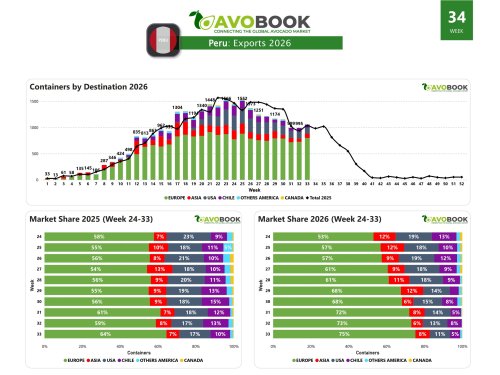
Peru halts the slowdown and surpasses 1,000 containers
Peruvian shipments rebound 7% weekly, with Europe accounting for three-quarters of global shipments.
Premium View more
Peruvian shipments rebound 7% weekly, with Europe accounting for three-quarters of global shipments.
Premium View more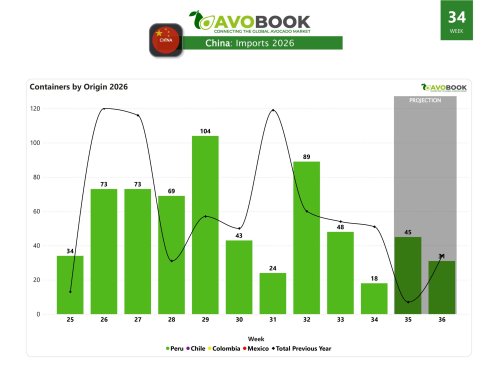
The Chinese market registers a drastic 64% drop in shipment arrivals, holding values much higher than those of previous seasons for the same period.
Premium View more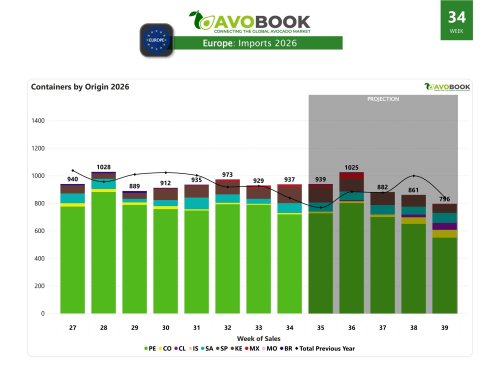
The European market sustains steady arrivals with Peruvian leadership, registering adjustments in small sizes in Rotterdam and firmness in Spain.
Premium View more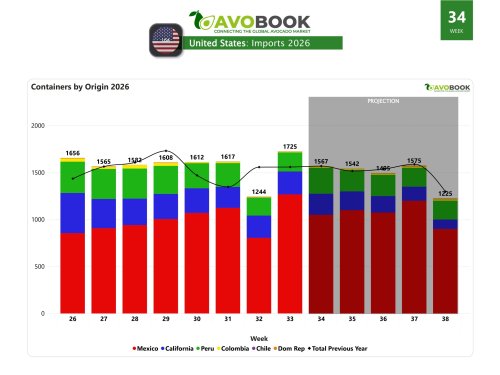
The US market is recovering after last week's trading downturn, while an oversupply of large calibers is driving down prices for .48 caliber.
Premium View more
The estimates for this new cycle confirm the productive consolidation that the sector has shown during the last few years.
View more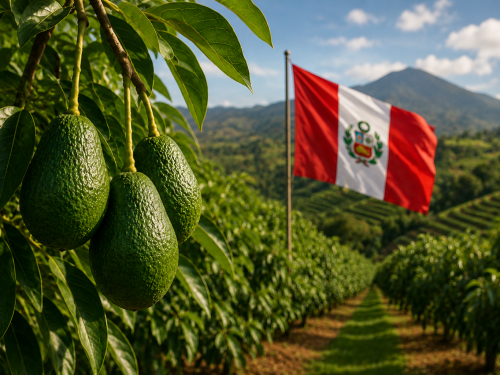
This August 21st, the country commemorates a date created to recognize the productive and social value of one of its main agricultural export products.
View more
Following the rains, winds and frosts of the last few weeks, Paltas de Chile estimates limited losses of between 4% and 7% without foreseeing changes in supply or in the calendar of the 2026-2027 season.
View more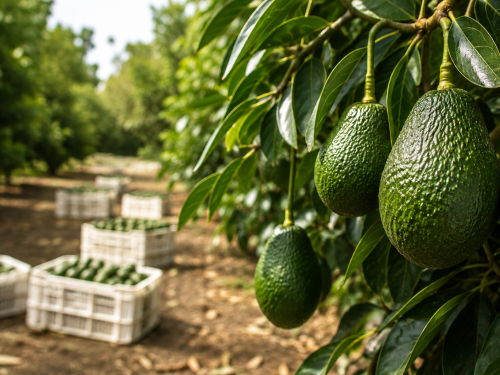
The Mexican harvest began with a high presence of small fruit, while the lower supply of large sizes widened the price gap.
View more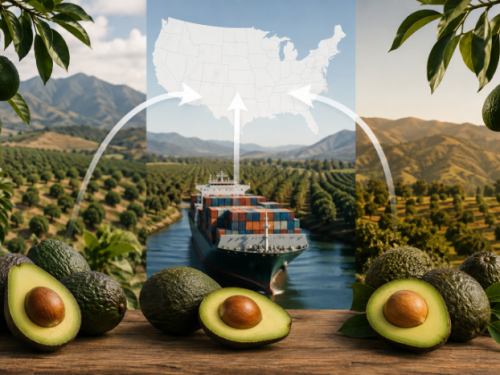
Mexico is making its way forward due to the lower participation of Peru and California, which are adjusting the end of their seasons under different strategies.
View more
Organic avocados represented 2.8% of the value exported by Peru in 2025, a niche with potential conditioned by technology and certification.
View more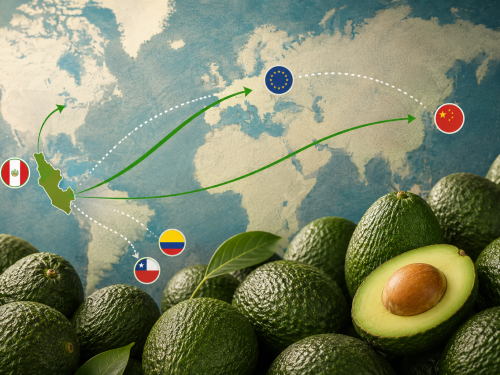
Peru's gradual withdrawal from Europe, Asia, and the US is reshaping the market and paving the way for seasons in Colombia and Chile.
View more
Avobook and Associação Abacates do Brasil join forces to promote Brazilian origin through key market information and greater global visibility.
View more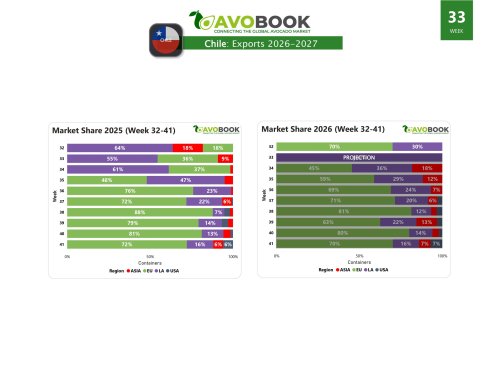
Chile begins its exports with 10 initial shipments, prioritizing Europe as the main destination and Latin America in second place.
Premium View more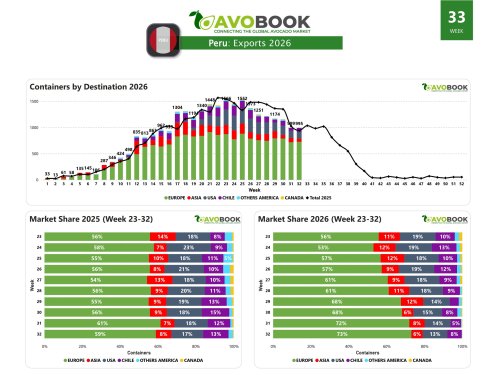
Peru registers 995 shipments dispatched in week 32, reaffirming its leadership in Europe by representing 85% of the volume.
Premium View more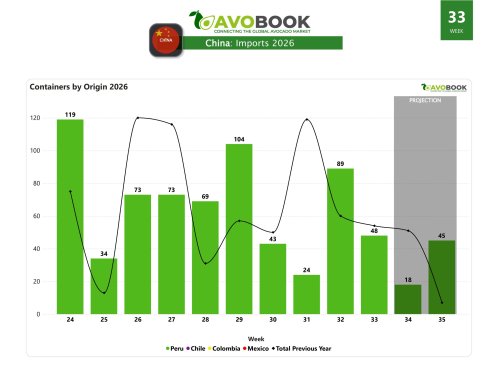
With lower arrival volumes, the Chinese market is registering a 75% price increase, doubling the values of last season.
Premium View more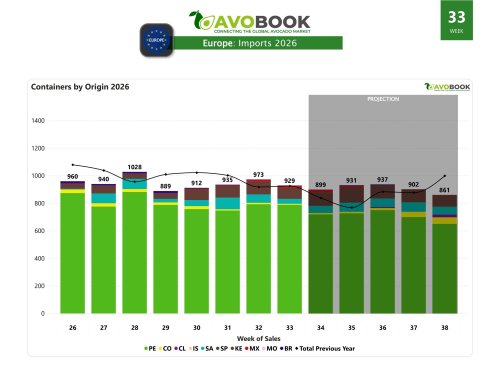
Europe maintains stable volumes with Peru leading the way, while Colombia prepares its first shipments of the main season.
Premium View more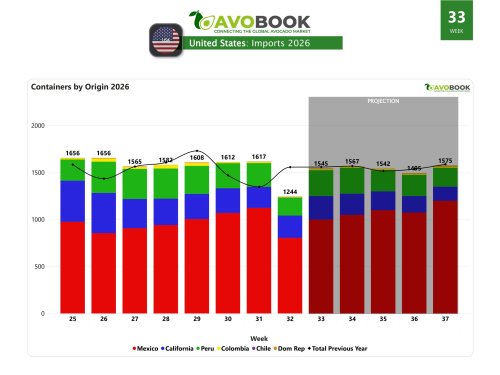
An atypical drop in shipments marks the US due to an operational slowdown, while smaller calibers regain value against the .48 caliber.
Premium View more
After 14 years working in the avocado sector, there is something that is becoming increasingly clear to me: quality cannot be assessed solely at the source.
View more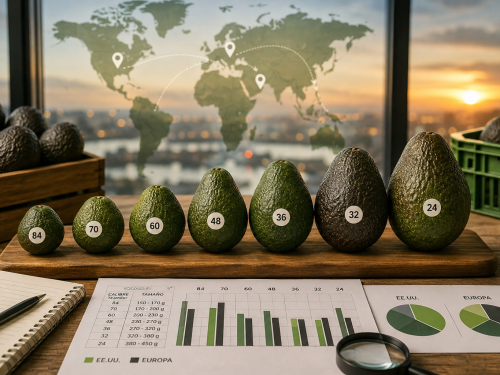
Sebastián de la Cuadra analyzes how the dynamics of calibers explain the price gap between the US and Europe.
View more
Christine Chesaro, director of the Horticultural Crops Directorate of the Agriculture and Food Authority (AFA), spoke exclusively with AvoBook about the projections for the African nation.
View more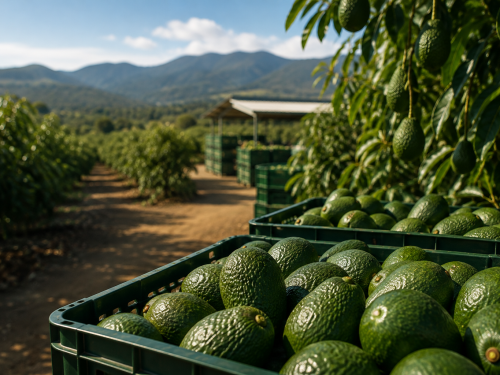
Both states begin 2026 with higher shipments than in previous years, maintaining the U.S. as their main destination.
View more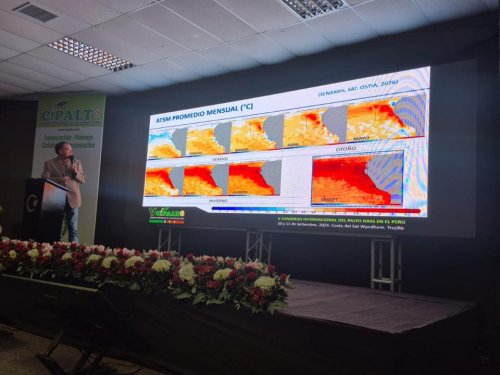
The 5th International Hass Avocado Congress held in Peru addressed the productive, biological and commercial challenges of the industry, with AvoBook as Media Partner.
View more
Andrew Logan, founder of AvoHealth, analyzes how technology, quality, and fruit utilization are redefining the avocado oil market.
View more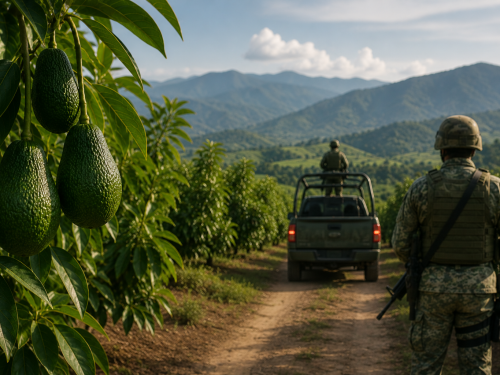
The deployment of 1,500 troops in Michoacán seeks to safeguard production, transportation, and certifications after temporary pauses in shipments.
View more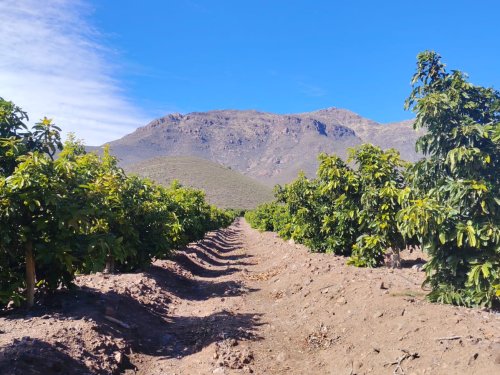
The first harvest on Dusa clonal rootstock in Cabildo marks a milestone in uniformity, root development and water efficiency.
View more
Weekly View (Week 33): Size Gap Between the US and Europe, Peru's Retreat in Asia and Market Projections.
View more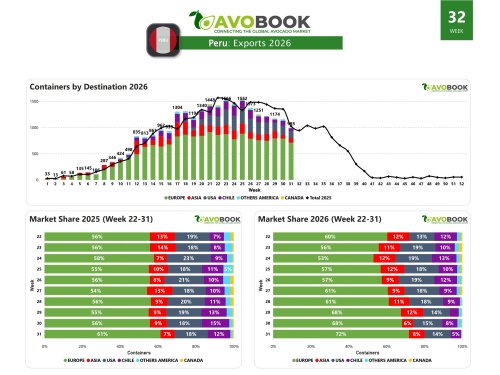
Peruvian shipments adjust their global outputs and reduce the weekly volume shipped to Europe to the lowest level since week 16.
Premium View more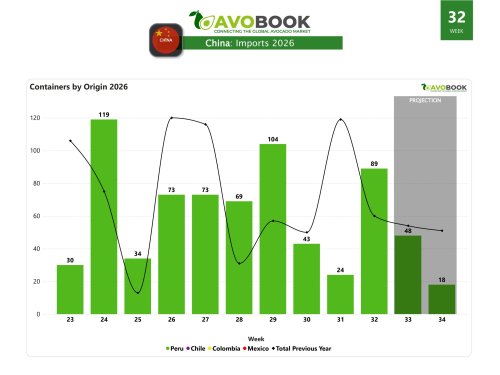
The Asian market is registering a strong rebound in the receipt of Peruvian shipments, recovering prices in medium sizes.
Premium View more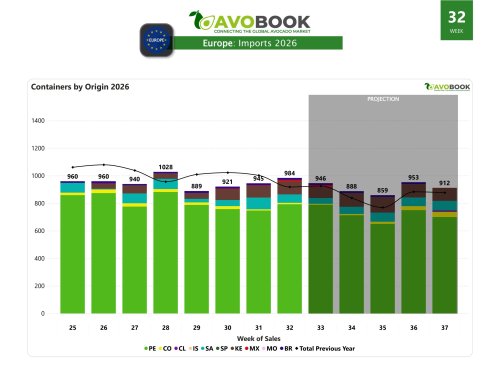
Europe slightly increased its revenue, driven by African origins, with upticks in large calibers in Rotterdam.
Premium View more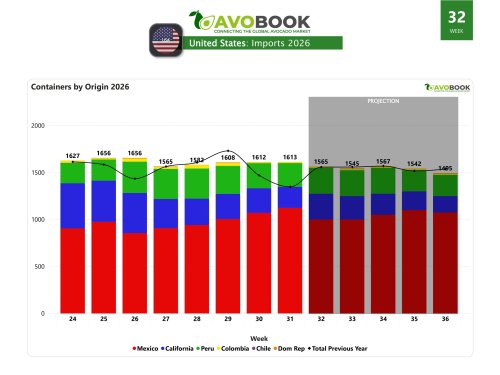
The North American market maintains a stable volume driven by Mexican fruit, while size 48 retains its value gap.
Premium View more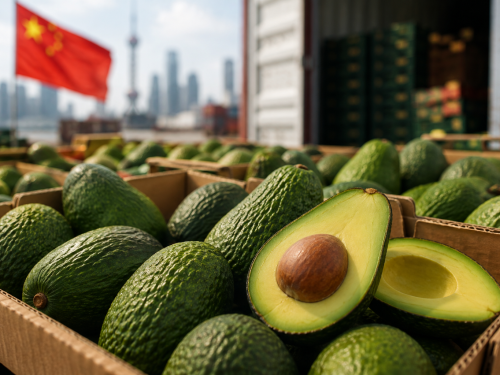
The decline in Peruvian supply marks the lowest point of the year in China, anticipating the arrival of Chilean fruit in September.
View more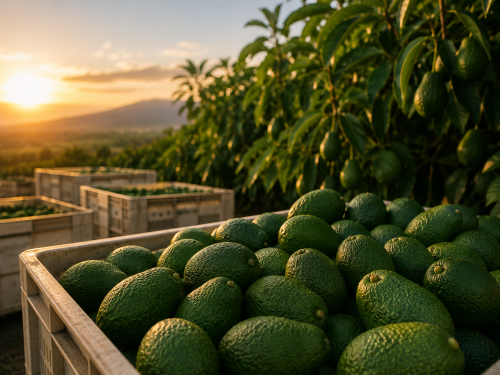
The massive Mexican supply and the entry of new competitors put downward pressure on the prices of .48 caliber during the first 6 months of the year.
View more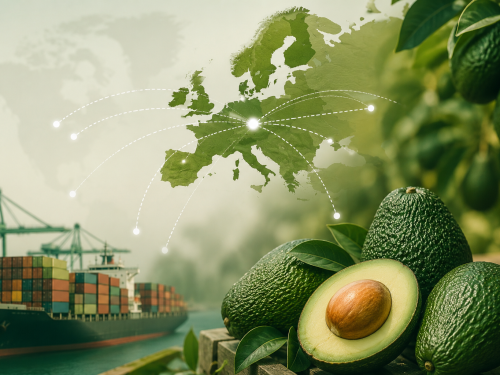
The Netherlands leads European reception, the United Kingdom and Germany boost demand, and Peru accounts for 91% of the volume.
View more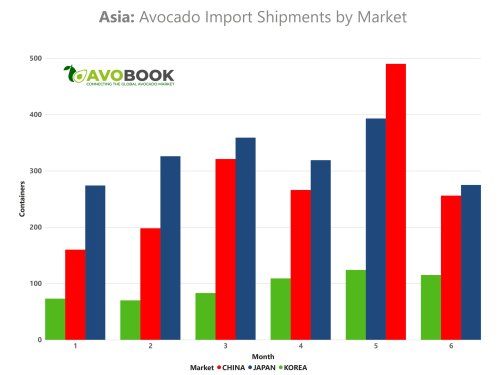
China leads growth in Asia, Japan consolidates stability, and South Korea maintains steady expansion in the first half of the year.
View more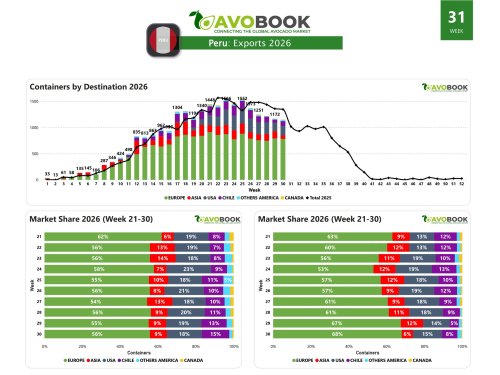
Peruvian shipments have been slowing for five consecutive weeks, redirecting volumes towards Europe while Chile shows recovery in its shipments.
Premium View more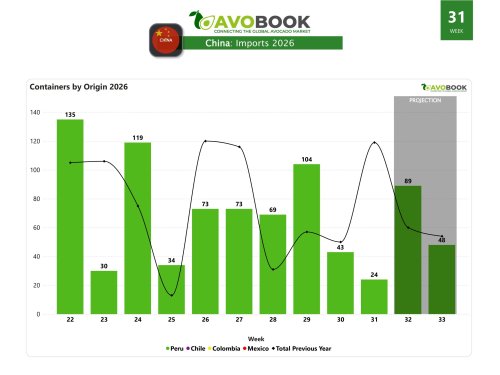
Following the adjustment in the receipt of Peruvian volumes, the Chinese market is registering a slight increase in prices for medium sizes in anticipation of the South American volume in September.
Premium View more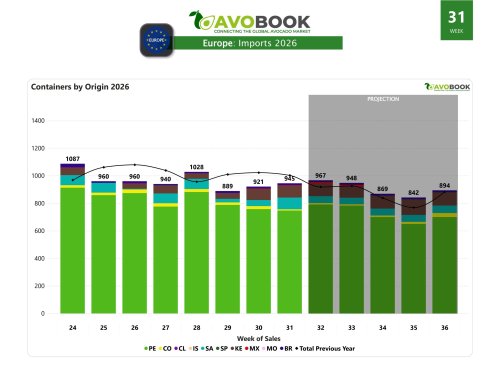
Europe is slightly increasing its imports, while Peruvian imports are consolidating their dominance, and medium-sized vessels are leading the price charts in Rotterdam and Spain.
Premium View more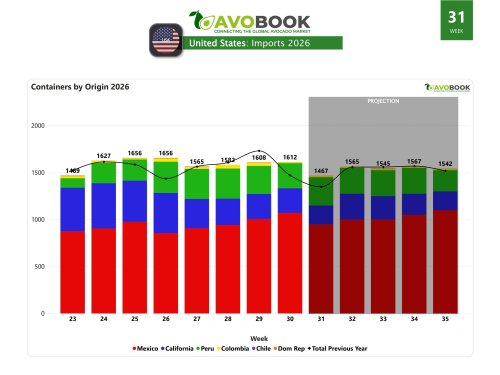
The North American market maintains a stable volume driven by Mexico, while size 48 is twice as valuable as small fruits after a general drop in prices.
Premium View more
Despite opportunities in Europe, the Mexican industry prioritizes the stability of the US, Canada, and Japan due to logistical advantages.
View more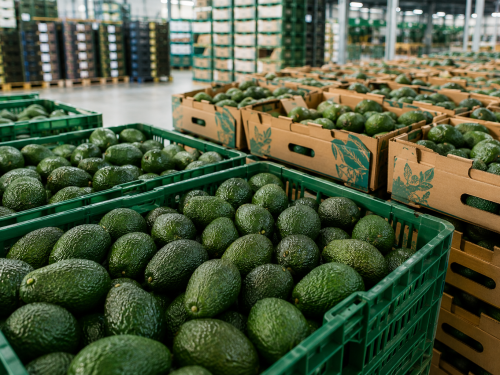
Peru led shipments to Europe in the first half of 2026, while Colombia marked the largest expansion.
View more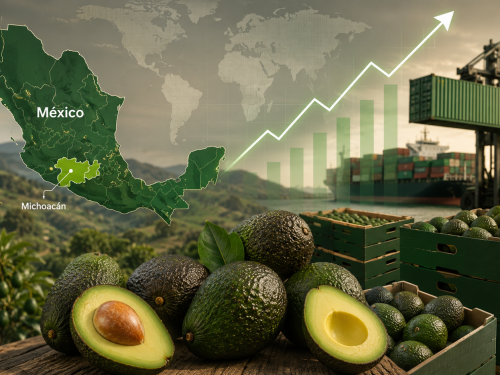
Mexico and Peru led the world supply of Hass avocados in the first half of 2026, with Michoacán reaching 38,400 containers.
View more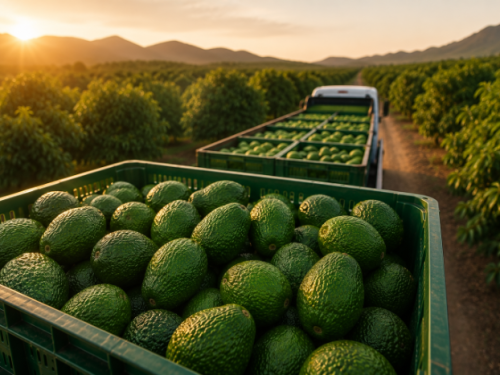
With 24,137 containers accumulated, the Peruvian campaign shows a stronger start and a slowdown at the end.
View more
The international avocado market continues to show a stable supply, but price signals are beginning to reveal different dynamics between its two main destinations: Europe and the United States.
View more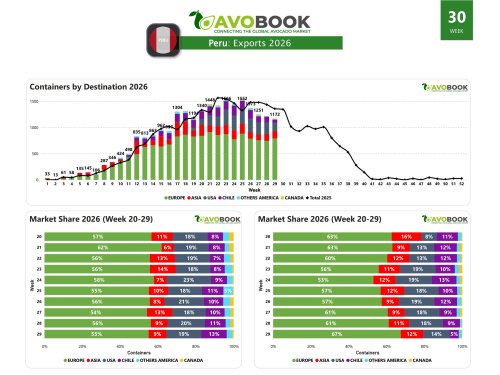
Peruvian international shipments continue their downward trend, redirecting most of their volume towards Europe in anticipation of the Chilean season.
Premium View more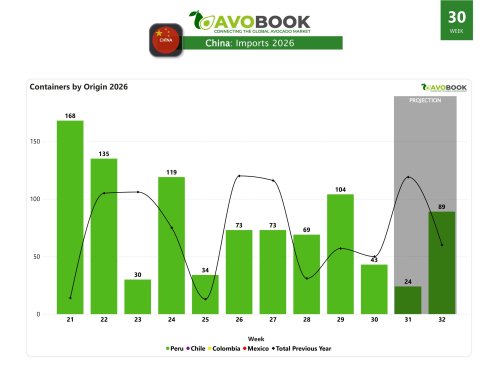
Following the increase recorded in the previous week, the Chinese market is slowing its inflow and adjusting the prices of sizes 18 to 24 downwards.
Premium View more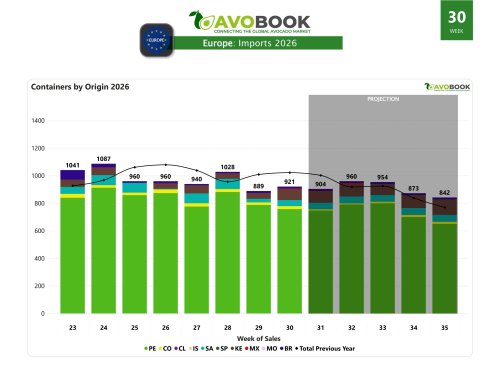
Europe slightly increases its arrivals while Peruvian origin consolidates its dominance and medium formats lead the prices.
Premium View more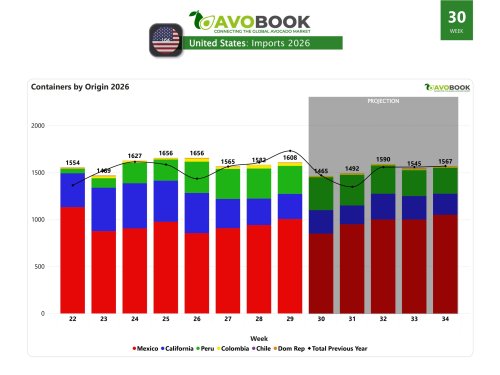
The North American market maintains a slight increase in volume driven by Mexico, while the lower availability of large fruit drives up prices for size 48.
Premium View more
Paltas de Chile reports that recent rains, strong winds and frosts have caused early fruit drop in various production areas.
View more
Increased information flow seeks to reduce gaps between producers, exporters, and importers in the avocado industry.
View more
Baika is the first avocado operation in Colombia with the SCS Sustainably Grown seal, marking a sustainability milestone.
View more