Pintacura and San Ignacio: producing avocados in challenging climatic contexts
Pintacura and San Ignacio are making progress in water efficiency, regenerative management and technology to produce avocados in extreme climate scenarios.
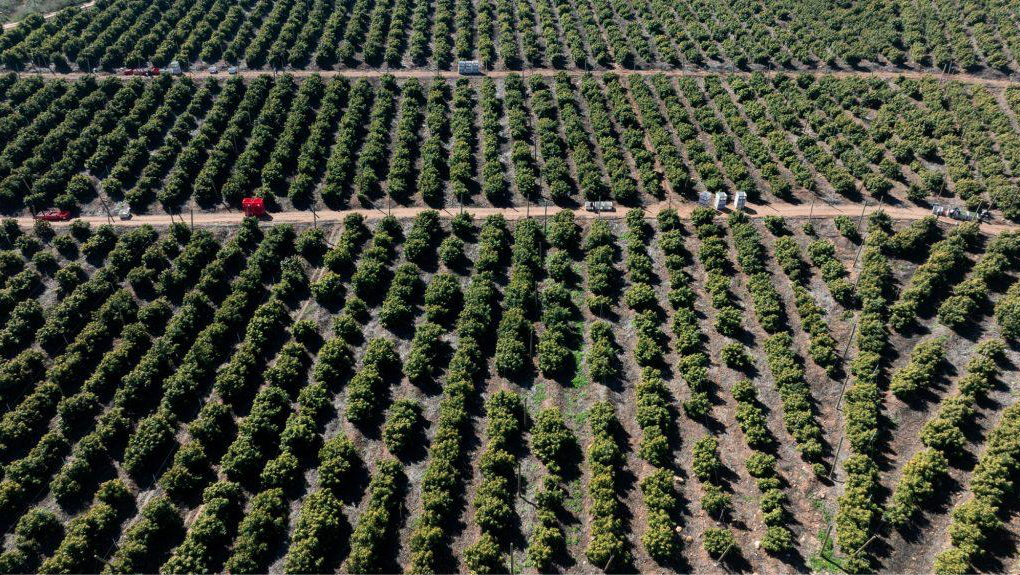
In a landscape marked by prolonged droughts, recurring frosts, and increasing climate variability, the Pintacura and San Ignacio farms have consolidated an avocado production model focused on adaptation and sustainability. Located in the Choapa Valley, near Illapel, and in the Cabildo Valley, respectively, both farms face structural water restrictions and a greater frequency of extreme weather events, factors that have forced them to rethink their agricultural strategy.
Pintacura, with over 200 hectares of avocado orchards, has historically been exposed to water limitations and severe weather events. San Ignacio, with approximately 60 hectares, also faces frequent frosts that increase production risk. In both cases, the current situation has prompted a thorough review of management systems, focusing on efficiency and resilience.
The prolonged drought affecting north-central Chile has significantly reduced water availability, forcing a move towards more precise management systems. This is compounded by the impact of climate change, evident in more intense and frequent events that are putting sensitive crops like avocados to the test.
Water efficiency, regeneration and technology
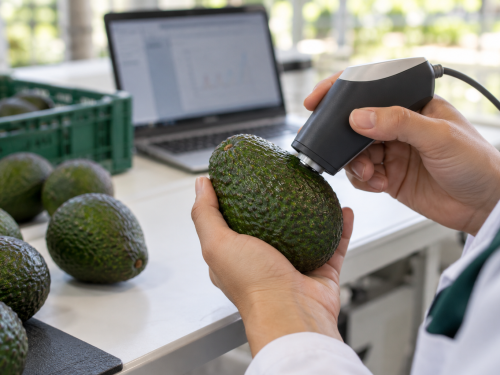
Faced with this situation, for the past two years both fields have been implementing a comprehensive strategy based on a "back to basics" approach, combining water efficiency with regenerative agriculture practices. Irrigation is no longer based on fixed schedules but is now determined by direct soil moisture measurements using soil pits, evapotranspiration analysis, and monitoring of the plants' physiological state.
This change has allowed for optimized water use and adaptation to periods of scarcity without compromising productivity. At the close of the last season, both Pintacura and San Ignacio met their production targets and currently show adequate fruit set and flowering levels, projecting a favorable scenario for the upcoming harvests.
Management practices are complemented by regenerative techniques aimed at improving soil health, including oxygenation, decompaction, and increased organic matter, as well as the use of biostimulants and rejuvenation pruning. At Pintacura, this process will be strengthened with the implementation of the Neutral Farming platform, which incorporates a digital twin of the field and artificial intelligence tools for recording and analyzing soil pits, allowing for the monitoring of key agricultural variables and moving towards more predictive management.
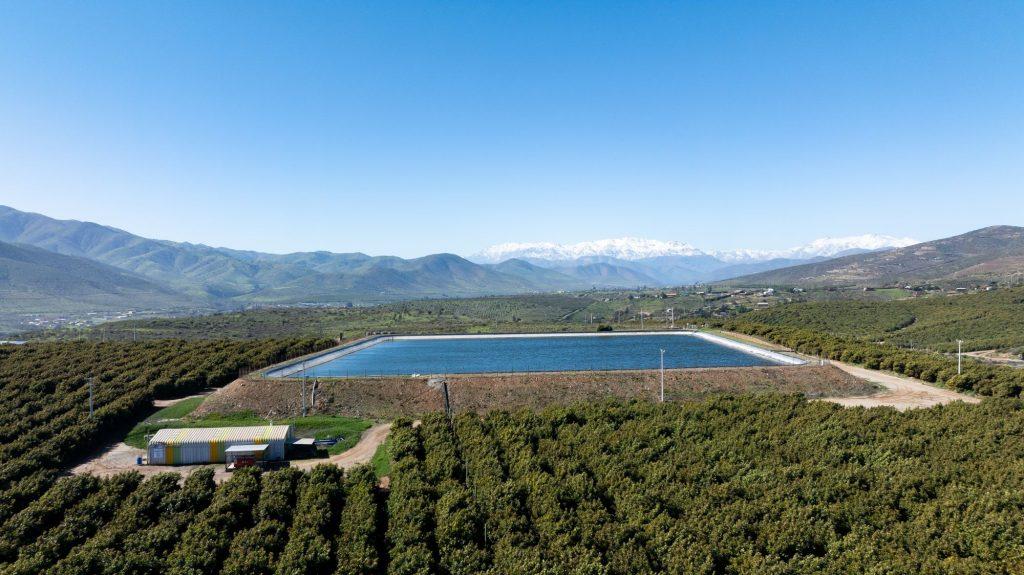
Edmundo Hurtado, manager of Pintacura, explains that “our irrigation strategy, based on soil moisture monitoring through soil pits, allows us to apply water precisely where the tree needs it, avoiding both excess and deficiency. This management is key in restrictive conditions, as it optimizes water use.” He adds that subsoiling, biostimulants, and pruning promote root development and tree vigor. “It’s not just about saving water, but about using it more efficiently and strengthening the orchards’ resilience to the valley’s adverse weather conditions,” he maintains.
In San Ignacio, Cristian Argomedo emphasizes that the constant review of the irrigation strategy, infrastructure maintenance, the incorporation of solar power generation, frost control systems, and new genetic management practices have allowed for improvements in fruit productivity and quality. “This has enabled us to produce high-quality avocados with high nutritional density, making better use of the valley's conditions,” he states.
From a strategic perspective, Gabriel Tirado, Operations Manager for Valles del Norte, points out that integrated management involves combining multiple practices whose combined effect has allowed them to sustain and develop agricultural activity in the current context. “We are convinced that we are on the right track, adapting and responding to climate change,” he concludes.
The experiences of Pintacura and San Ignacio demonstrate that sustainability can become a concrete production strategy. In line with the principles of Nature Positive and Zero Emissions, both farms are moving towards a resilient agricultural model, where environmental efficiency is integrated with competitiveness and the financial sustainability of the business.