Avocado production in Chile
Leyda Valley prepares its harvest and projects better sizes
Baika's field in Santo Domingo is projected to produce stable volume and better sizes. The dry matter content at 23% will determine the harvest in November.
October 21, 2026
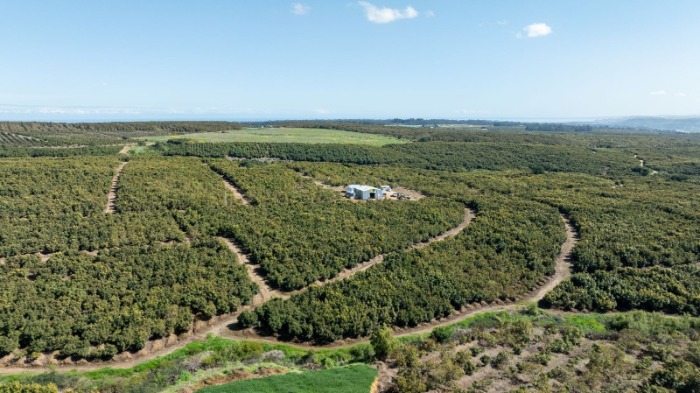
Baika is preparing to begin harvesting at its Valle Leyda farm in November 2026. The company expects a volume similar to that of the previous season and projects larger fruit sizes this season. However, the official start date for harvesting will depend on fruit condition. The farm, located in the municipality of Santo Domingo, Chile, plans to authorize harvesting once the fruit reaches 23% dry matter.
Across the orchard’s 412 hectares, preparations combine maturity assessments, agricultural management and workforce coordination. Weather conditions play a role in this planning. Spring rainfall has temporarily halted irrigation and fertilization activities, while the team monitors its effects on flowering, fruit set and tree health.
Andrés Valenzuela, Valle Leyda’s farm manager, and Macarena Quiroz, Head of Operations and People, explain to Avobook how the farm is preparing for the new harvest.
Fruit Maturity Determines When Harvesting Begins
“When it comes to harvesting, the start date is not determined by the calendar, but by the physiological maturity of the fruit,” Valenzuela notes.
To assess maturity, the team conducts periodic sampling by orchard block and calculates dry matter content by dehydrating and weighing the fruit. The farm manager explains that this indicator is related to oil content, as well as the fruit’s eating quality and postharvest characteristics.
“The fruit is expected to reach a minimum of 23% dry matter before harvesting begins,” he specifies.
This criterion is incorporated into operational planning. The results make it possible to identify and clear the blocks that meet the requirements for harvesting to begin.
“Harvest preparation begins long before the first fruit leaves the farm,” Quiroz emphasizes. The work includes preparing roads and access routes, inspecting machinery, tools and materials, and coordinating the required workforce.
The team is preparing personnel, machinery and materials to begin harvesting in November. However, harvesting in each block will be authorized based on the results of the fruit dry matter analyses.
Stable Volumes and Larger Fruit Sizes
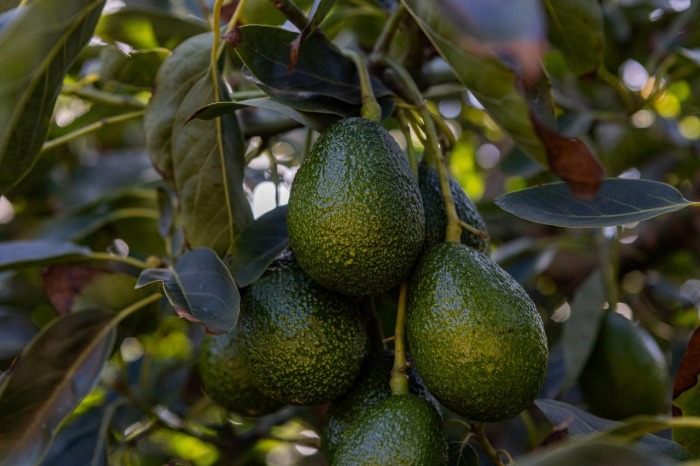
Production forecasts point to maintaining the previous season’s harvest volume, with an improvement in fruit size.
“For this season, we project a harvest volume similar to the previous one, but with an improvement in fruit quality, reflected mainly in larger fruit sizes,” the farm manager states.
Valenzuela links this outlook to more robust and vigorous trees, with greater leaf and root development. With a fruit load similar to that of last season, they expect these conditions to support better growth for each fruit.
He also attributes the production increase observed between 2023 and 2025 to ongoing improvements in irrigation systems. These efforts have focused on adjusting water supply to the crop’s needs and improving uniformity across orchard blocks.
“The goal of this work has been to keep the plants free from water stress throughout the entire growing cycle,” he explains. In his assessment, this management approach has contributed to more consistent fruit set and better fruit development.
Spring Rainfall and Temporarily Suspended Fieldwork
Valle Leyda orchard is also currently going through flowering and fruit set. An irrigation and fertilization program had been initiated in September to support budbreak, flowering and subsequent fruit growth, but rainfall forced these activities to be suspended.
According to Valenzuela, rainfall temporarily meets the crop’s water requirements. The pause also aims to prevent excessive soil moisture, which can cause root suffocation and favor root diseases caused by pathogens such as Phytophthora.
“The main source of uncertainty this season is the weather,” he states.
The farm manager describes fluctuations between warm, sunny days and cold, cloudy and rainy ones, which have resulted in erratic and poorly synchronized flowering. According to his explanation, temperature instability can disrupt the stages of flower opening, while rain and cold weather reduce bee activity.
His concern centers on the potential effects on fruit set and the uniformity of fruit development. These are aspects the team continues to monitor during this stage, alongside the orchard’s phytosanitary conditions.
To address late-season rainfall, Valenzuela describes a preventive management approach involving fungicide applications during periods of dry weather. In addition, he notes that they use biostimulants to improve the plants’ physiological condition in response to climatic stress.
The Advantages and Challenges of Growing Near the Coast
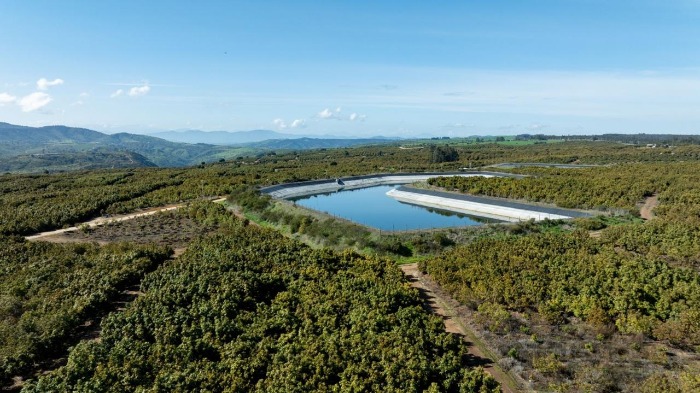
Oceanic influence is a defining feature of Valle Leyda. According to the farm manager, summer temperatures reach highs of around 26°C and lows of approximately 15°C, while the risk of winter frost is low.
These conditions favor avocado tree development, although the location also presents challenges. Cloud cover reduces available solar radiation and can slow dry matter accumulation, requiring greater flexibility in the harvest schedule.
Coastal low-pressure systems bring morning fog and high relative humidity. When plants remain wet, certain field operations must be postponed for worker safety reasons. Persistent humidity also requires ongoing phytosanitary monitoring.
“The challenges posed by low solar radiation and morning humidity do not prevent production, but they require careful planning of field operations and management tailored to local conditions,” Valenzuela maintains.
Preparing Crews and Ensuring Workforce Continuity
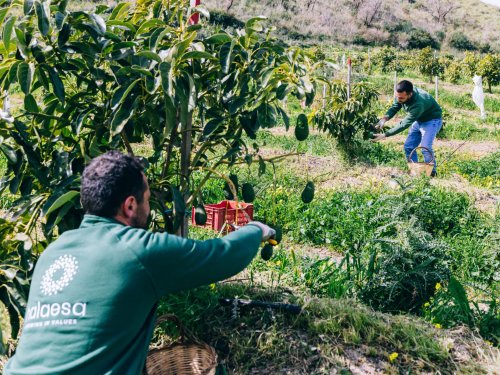
Operations are expected to begin with four crews of approximately ten people each, including harvesters and fruit selection personnel. As the harvest progresses, the estimated peak workforce will range from 50 to 60 workers.
Macarena Quiroz identifies workforce availability, employee turnover and competition from other agricultural harvests, such as cherries, as key challenges.
“Building teams that meet all the requirements and ensuring their continuity throughout the season requires advance planning and ongoing coordination with contracting companies,” she notes.
Preparations include occupational risk prevention, harvesting techniques and fruit handling, hygiene, food safety and good agricultural practices. They also involve verifying the documentation and authorizations required to work in Chile.
In adverse weather conditions, the farm can reorganize tasks, adjust working hours or temporarily suspend activities that pose a risk to workers.
Controls from the Tree to Dispatch
During harvesting, supervision aims to prevent impacts and damage that could compromise fruit condition. Controls also extend to materials, bins, storage and inspection upon arrival at the packing facility.
Records help maintain traceability and identify deviations. This work is carried out under the GLOBALG.A.P. certification, the GRASP add-on, Nurture and LEAF certifications held by Valle Leyda.
For the Head of Operations and People, these standards must be reflected in day-to-day activities, from working conditions and training to water use, input management and soil protection.
“This allows us to take an integrated approach to operations, ensuring that fruit quality goes hand in hand with the well-being of our people, process traceability and the responsible use of resources,” she concludes.