Avocado processing
When to outsource, buy HPP equipment, or freeze
The sales format, required shelf life, and annual volume determine whether it's more advantageous to outsource processing, invest in HPP technology, or freeze pulp.
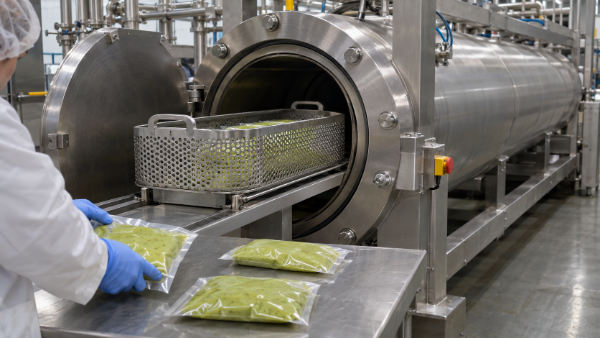
Reference image
November 17, 2026
Products like ready-to-eat guacamole on the shelf need to maintain their color and flavor during distribution, as well as arrive with enough days of shelf life for sale.
For a buyer using avocado pulp as an ingredient, one of the priorities is having product available year-round and only removing from inventory what is needed for sale. This need guides the decision to use high-pressure processing (HPP), freezing, or both.
Shelf life depends on the product and the format.
HPP technology allows guacamole and avocado pulp to be treated in their final packaging without the need for heat, preserving attributes associated with freshness, such as color and flavor. According to Hiperbaric , avocado products treated with HPP and with a pH below 5.0 can have a shelf life of up to 60 days under refrigeration.
In the case of ready-to-serve guacamole, the customer's perception of its texture and flavor after thawing is a key factor. If the pulp is going into a sauce or another prepared product, availability and cost per usable kilogram may be more important considerations.
For reference, Mexican Harvest Best states a 12-month shelf life at -18°C for its Hass avocado pulp or puree. Simplot , on the other hand, markets HPP-treated frozen pulp in 3-pound bags, with a stated shelf life of 18 months when frozen.
When to outsource and when to buy HPP equipment
The contract processing option allows you to outsource product processing on a batch basis before investing in your own equipment. To compare the cost of contract processing with the cost of owning your own equipment, you should add refrigerated transport to the processing fee, verify minimum batch sizes, and check if the supplier has capacity during peak production weeks.
Purchasing HPP equipment becomes justifiable when in-house processing costs less per year than outsourcing the same volume. This comparison must consider both the equipment investment and operating and maintenance expenses.
The purchase of HPP equipment begins to be justified when processing in the plant itself costs less per year than contracting out the same volume.
If production is concentrated in a few months, it is also important that the machine can process the batches during the busiest weeks and that the annual volume is sufficient to cover the cost of owning it.
Why the price of guacamole doesn't follow the price of fruit
The cost of guacamole is linked to the value of the whole avocado and the amount of pulp that can be used. A study with Hass avocados from Tenerife found that the pulp represented, on average, 70.6% of the fruit's weight.
This cost is in addition to other ingredients, packaging, labor, processing, and cold chain maintenance. A decrease in the price of whole avocados may translate into less significant savings if the plant needs more fruit to obtain the same amount of pulp. Furthermore, if fewer kilos are produced in a month and fixed costs remain the same, the fixed cost per kilo increases.
A drop in the price of whole avocados may translate into less significant savings if the plant needs more fruit to obtain the same amount of pulp.
What limits scaling
Before investing in increased production, it's worth identifying what's hindering deliveries. If the plant has the guacamole ready but must wait for a turn to have it processed using HPP by an external supplier, the problem lies in access to contract manufacturing. If obtaining pulp between harvests is difficult, consider freezing part of the seasonal production and storing it for use during the off-season.
Before investing, it's advisable to assess what might be hindering deliveries. For example, if a company has the guacamole ready but must wait its turn to have it processed by an external supplier via HPP, the problem lies in access to the manufacturing facility.
If the challenge is obtaining pulp between harvests, you can assess whether it is convenient to freeze part of the production in season and store it under optimal conditions for use during the months of lower supply.
It's important to consider the type of order you're working with before making a final decision. Factors such as the quantity the customer needs, the format, and the shelf life upon receipt are important for comparing the cost per kilogram if you contract HPP treatment, install your own equipment, or freeze part of your production to supply the customer between harvests.
Did you find this news helpful?
Follow us on Instagram → @avobook.avocado
There we publish the most important information about the global avocado market: news, figures and industry trends.
You can also follow us on LinkedIn or join our WhatsApp channel to receive key news as soon as it's published.