Baika Colombia promotes health and agricultural training: prevention and education in the Salamina production unit
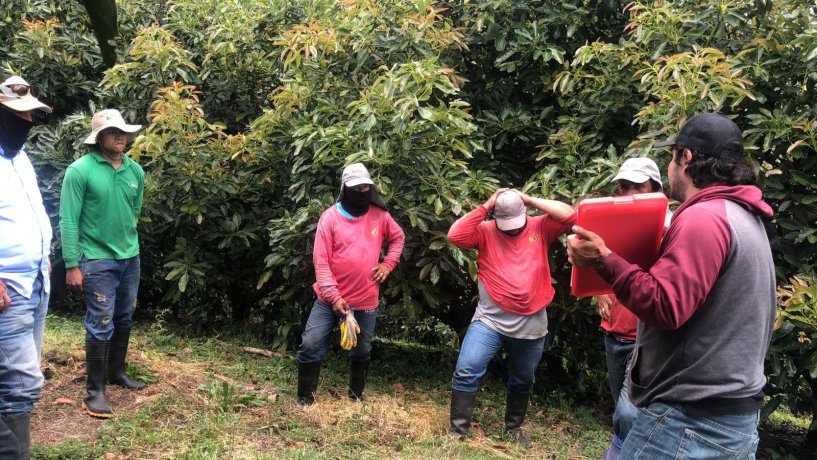
In the heart of Colombia's Coffee Region, Baika Colombia's Salamina, Caldas, production unit is implementing a comprehensive preventative plan that combines occupational health and skills development. Cholinesterase testing and SENA certification are part of a strategy aimed at protecting workers and professionalizing agricultural work.
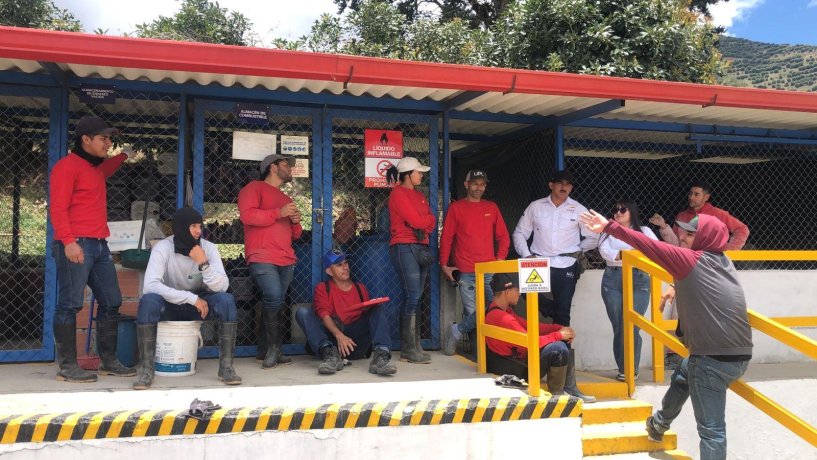
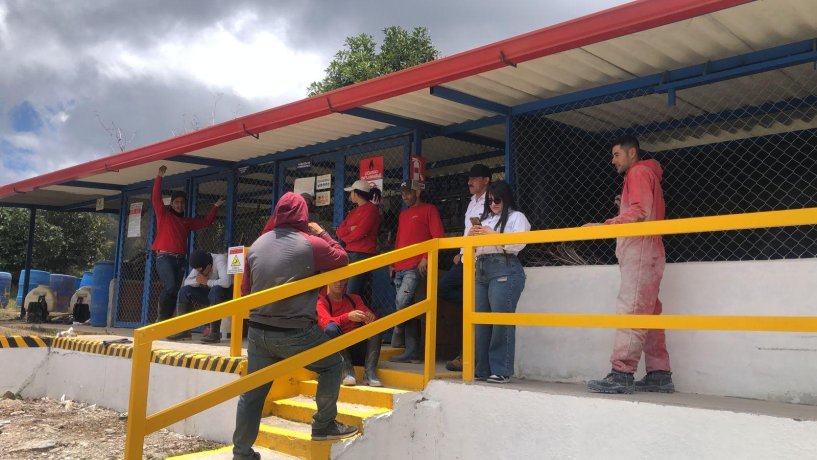
In the rural area of Salamina, Caldas, prevention and human development have become cornerstones of daily work. Baika Colombia's production unit is making steady progress in its HSE (Health, Safety and Environment) prevention plan, a strategy that seeks not only to guarantee the safety and well-being of its employees, but also to raise the professional standard of agricultural work.
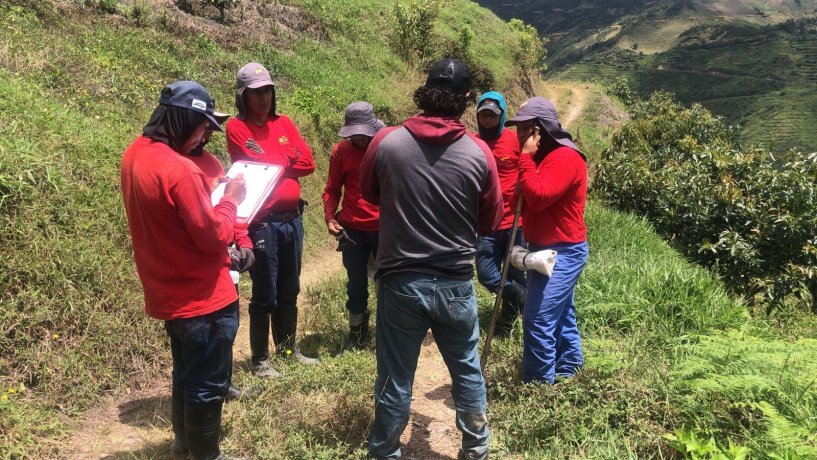
One of the most significant actions of this plan has been the implementation of cholinesterase testing for farm workers. This test, administered preventively, allows for monitoring exposure to organophosphate and carbamate pesticides, compounds commonly used in agriculture.
The procedure functions as a biomonitoring tool, as it measures the activity of the cholinesterase enzyme in the blood. When this activity is inhibited, it can be a sign of poisoning or prolonged exposure to chemicals. Therefore, its implementation represents a key advance for the early detection of exposure, the prevention of poisoning, the assessment of risk control, and compliance with occupational health regulations.
“With these tests, we guarantee that each worker can perform their job in safe conditions, minimizing the risks associated with the use of agrochemicals,” said the HSE department of Baika Colombia, highlighting the positive impact of this type of control on the organization's preventative culture.
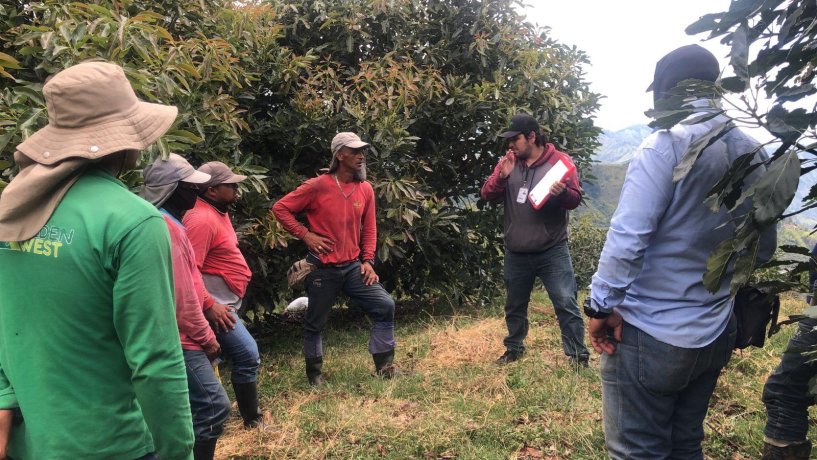
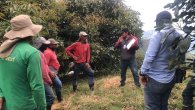
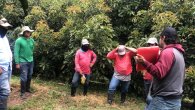
But Baika's focus isn't limited to health. In parallel, the company has promoted the certification of job skills in the use of agricultural tools, in partnership with the National Learning Service (SENA). This public institution, attached to the Ministry of Labor, has the mission of recognizing the skills and abilities that employees have acquired through their experience in the field.
The process allows for the verification of employees' technical competence in their daily tasks, as well as opening new opportunities both within and outside the company. Key benefits include official skills recognition, validation of prior learning—particularly valuable for those who learned on the job—and increased value in the labor market. The certificate, valid for three years, thus becomes a valuable tool for professional development.
“This recognition from SENA dignifies the work in the fields and motivates our employees to continue learning,” Baika Colombia emphasized.
The case of the Salamina production unit reflects a holistic vision of agricultural development: protecting the health of those who work the land while promoting their technical training and professional future. With these actions, Baika Colombia reaffirms its commitment to a responsible, sustainable production model centered on the people who make each harvest possible.