The 7th Latin American Avocado Congress will bring together leading international experts in Lima
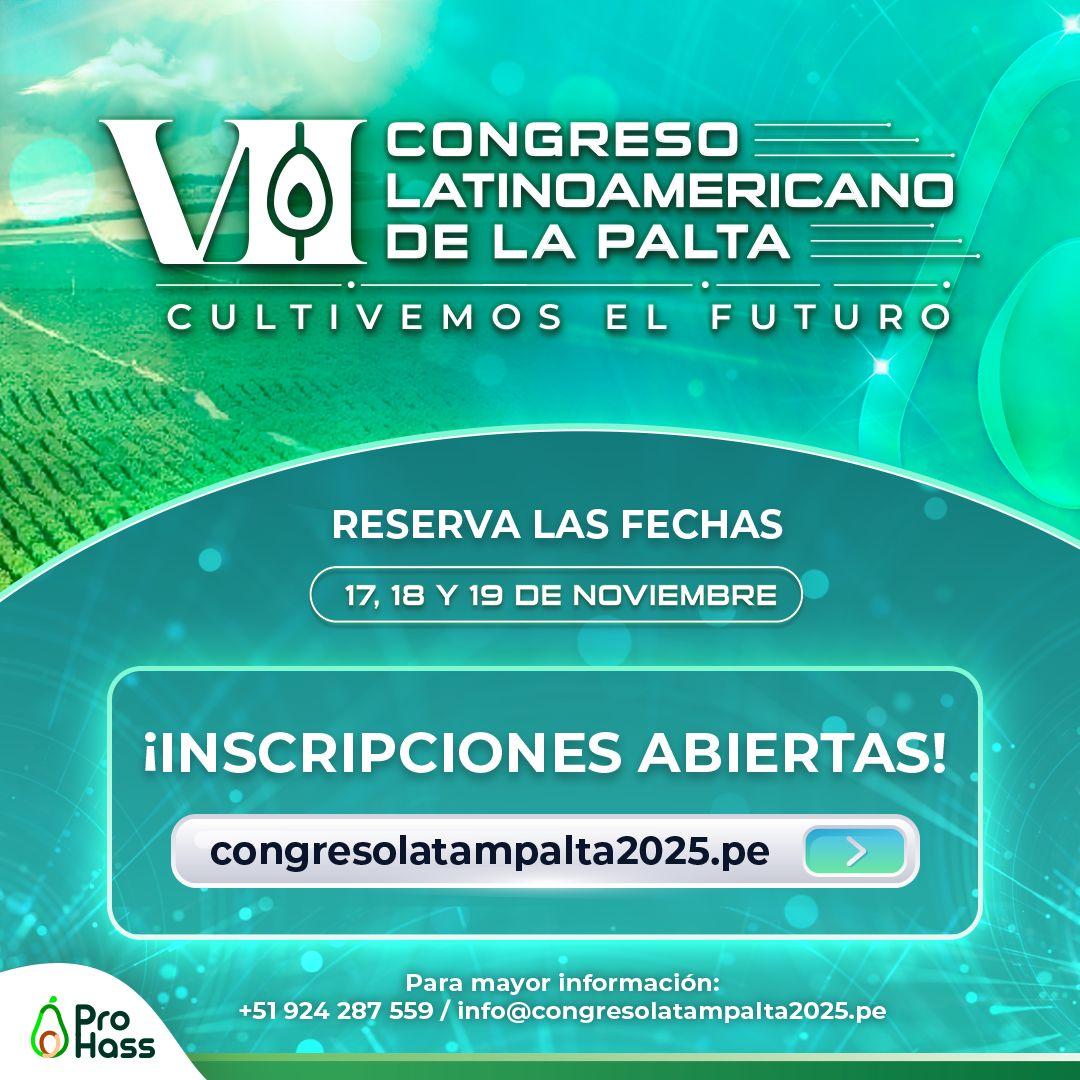
The Latin American agricultural world is gearing up for one of the sector's most important events: the 7th Latin American Avocado Congress, to be held November 17-19 at the ESAN Convention & Sport Center in Lima, Peru. This event will bring together producers, technical advisors, researchers, and professionals involved in avocado cultivation to share cutting-edge knowledge and innovative strategies for addressing the sector's current and future challenges.
Among the main attractions of the congress are the keynote speeches by renowned international experts who will address crucial topics related to technology, sustainability and the agronomic management of avocados.
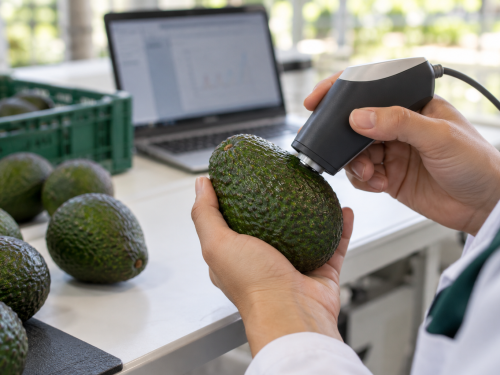
One of the most anticipated presentations will be given by Luis Jose Montgomery, MSc, a Peruvian specialist in fertigation and plant nutrition, and co-director of Agroclub. His presentation, titled “The Avocado of the Future: Cutting-Edge Technologies for Successful Cultivation,” offers a vision for the future of avocado cultivation by integrating science, technology, and sustainability. In his presentation, Montgomery will delve into tools such as digitalization, data analysis, and automation, and how these can revolutionize agronomic decision-making through more efficient and competitive precision agriculture.
From Chile, Dr. Ricardo Cautín, from the Pontifical Catholic University of Valparaíso, will present a paper focused on current climate challenges. Titled “Crop Management, Bioregulation, and Biostimulation in Avocado Plants to Address Changes in Environmental Conditions and Their Effects on Production ,” the expert will explore sustainable and adaptive approaches to maintaining avocado productivity and quality under environmental stress. His proposal combines knowledge of plant physiology and biotechnology to achieve comprehensive agronomic management.
Dr. Walter Apaza Tapia, a researcher at the National Agrarian University La Molina, will present the results of his studies on phytopathological threats to avocado cultivation. His talk, “Identification of Wood-Decay Fungi Affecting Avocado Cultivation,” will rigorously address the presence of pathogens that impact the health and longevity of avocado trees, offering tools for their early detection and effective management.
The 7th Latin American Congress is thus consolidating its position as a key forum for the exchange of technical and scientific knowledge and experiences among stakeholders in the agricultural export ecosystem. Attendees will have the opportunity to access updated content, establish networks, and strengthen their strategic vision regarding one of the region's most dynamic crops.
For more information and registration, those interested can visit the official event website: https://lnkd.in/eQfaigwY or register directly at https://tickets.congresolatampalta2025.pe/es/signup/attendee .