Production strategies and agricultural management at the source
Baika: Geographic and technological integration in Chile
With operations between Coquimbo, Valparaíso and O'Higgins, the firm combines climate, harvest windows and technology to ensure regular stock.
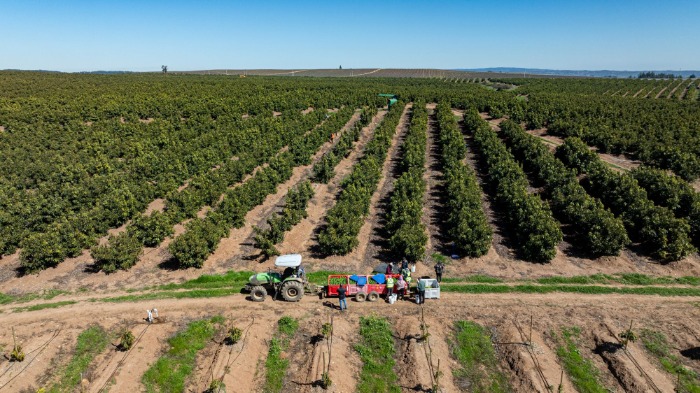
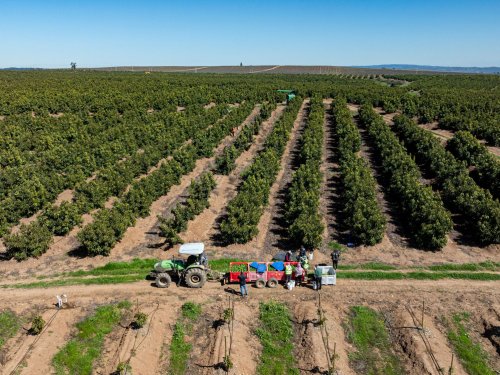
Managing over 2,700 hectares of avocado orchards spread across different regions of Chile involves much more than coordinating agricultural tasks. Each field presents different climate, soil, water availability, and production characteristics, so planning must consider multiple variables to ensure a consistent supply for most of the year.
That is precisely the model that Baika has developed in its agricultural operations. Instead of managing each property independently, the company works under an integrated strategy that seeks to leverage geographic diversity to distribute risks , optimize harvest windows, and ensure a more continuous supply.
"We plan production by viewing the operation as an integrated system, not as isolated fields. Geographic diversity allows us to distribute risks, organize harvest windows, and provide a more continuous supply throughout the season," explains Jaime Guarda, General Manager of Farming and Operations at Baika.
Each field fulfills a different role in the portfolio.
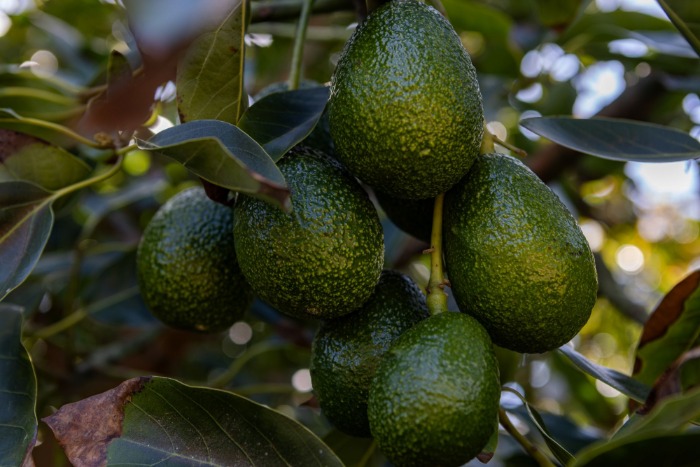
Baika's production strategy relies on orchards with complementary agronomic characteristics: Pintacura and San Ignacio contribute volume and consistency thanks to their location in traditionally avocado-producing areas of Chile, while Valle Leyda incorporates the coastal influence, generating distinct temperature and fruit development conditions that allow for seasonal diversification. Alicura and Ucuquer, meanwhile, represent one of the operation's main pillars. Together, they comprise over 1,100 hectares of avocado orchards and, thanks to their soil conditions and productive performance, ensure a steady supply of fruit between July and December.
"Each field has a different role within the production strategy. The differences in climate, water availability, soil type, exposure, and altitude allow us to build a more diversified offering during the season," confirms Jaime Guarda.
Anticipate the peak harvest and coordinate logistics
The partial overlap of harvest windows requires planning that begins several months before the start of fieldwork.
Production estimates consider critical variables such as flowering, crop load, water status, historical trends, expected fruit sizes, and weather patterns. This strategic information is constantly updated through field monitoring and dry matter analysis, allowing for adjustments to the harvest schedule based on the development of each orchard.
When different fields coincide in their harvest periods, the company prioritizes fruit condition, commercial opportunities, and agronomic risks to determine the order of operations. "The challenge is to reach peak harvest with the crews, transportation, machinery, and all operational capacity already aligned," adds Jaime Guarda.
Labor as a strategic and loyalty factor
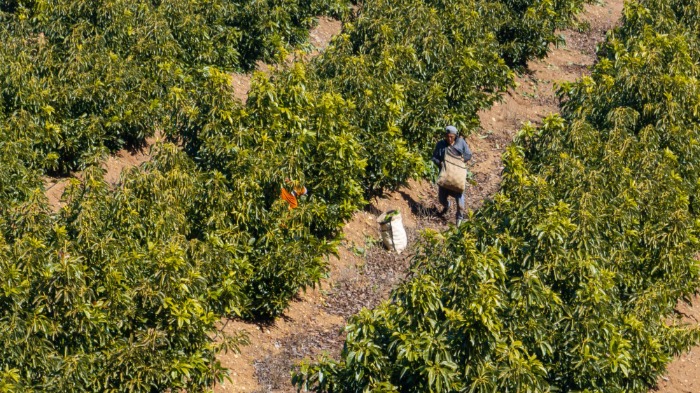
During peak season, Baika mobilizes between 550 and 600 harvesters across its various agricultural operations. However, beyond the number of workers, one of the main challenges is maintaining stable teams in a scenario where the availability of skilled labor has become increasingly limited.
To address this reality, the company has strengthened its work with contractors, seeking to offer year-round job continuity thanks to the production of various fruit trees and ongoing agricultural management work.
Technology for making better decisions in real time
The diversity of production zones has also driven an increasingly intensive use of technological tools . Currently, Baika integrates information from advanced climate sensors, automated irrigation and nutrition monitoring, and measurements of tree growth and production variables.
All this data is centralized within a platform developed internally over the last four years. The goal is not only to collect data, but to transform it into useful information for timely, data-driven decision-making.
Projections of continued growth
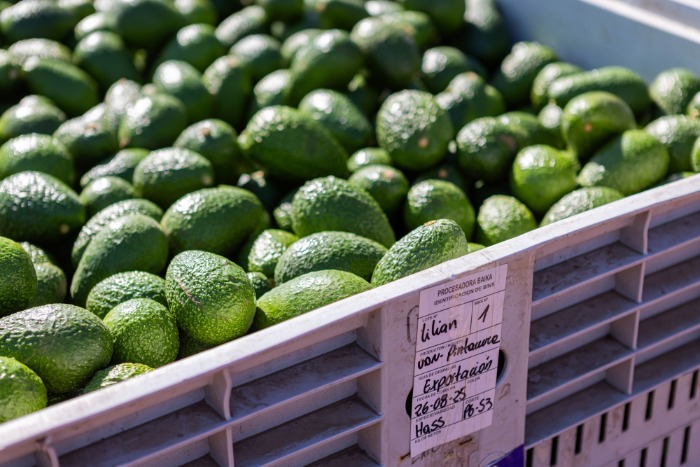
Baika currently has 2,720 hectares of avocado orchards in Chile, although only about 52% have reached their maximum productive potential. The observed growth is due to a combination of new plantings, the entry into production of young orchards, greater water availability, and improvements in agronomic management.
However, Jaime Guarda warns that growth must be accompanied by increasingly efficient management in the face of challenges such as climate variability, staff availability, and the need to maintain high quality standards.