Dominican industry
Dominican Republic accelerates Hass avocado exports
Avobook talks with Oniel Núñez Guzmán about the rapid expansion of Dominican Hass avocados, their key markets, and current logistical challenges.
While Hass avocados are gaining ground in the Dominican Republic's industry, the country faces an increasingly competitive global landscape. The conversion of orchards and its strategic geographic location are strengthening its development. However, the expansion of competitors like Mexico , Peru, and Colombia has eroded its historical advantages.
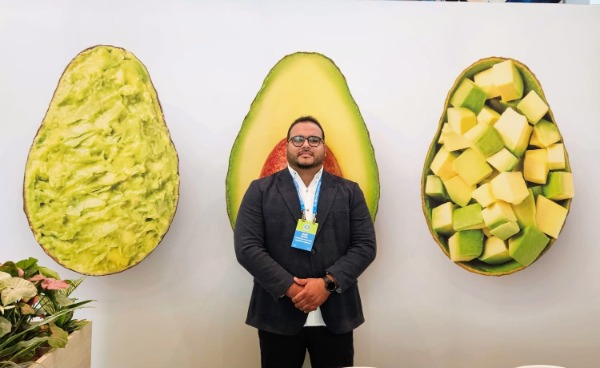
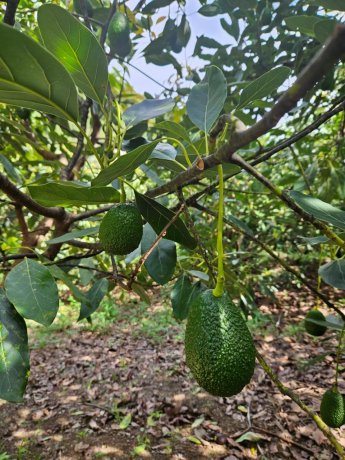
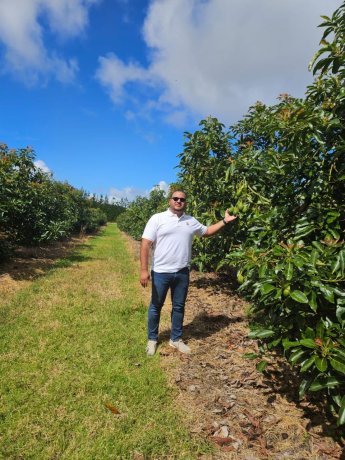
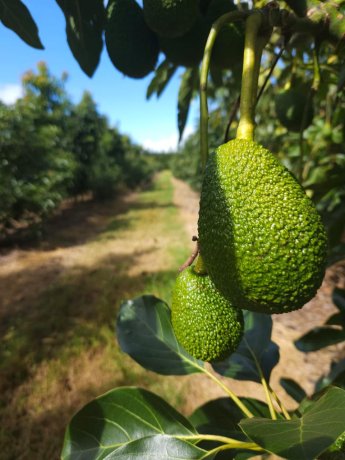
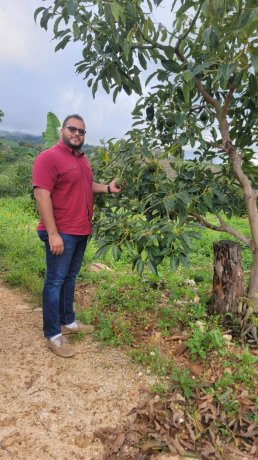
Currently, the Dominican Republic has approximately 22,000 hectares of avocado orchards, with 20% dedicated to the Hass variety. To analyze the current state of this crop, Avobook spoke with Oniel Núñez Guzmán , an agronomist and specialist in the Dominican agribusiness sector.
What is the current area planted with Hass avocados and how has it evolved in recent years?
The Dominican Republic currently has approximately 22,000 hectares planted with avocados. About 80% of this area is planted with Green Skin varieties and 20% with Hass, although this proportion has been constantly changing in recent years.
According to Núñez, the growth of Hass has been sustained and is due both to new plantings and to the conversion of existing orchards.
"We could say that the country has been growing between 15% and 18% annually in Hass avocado acreage."
In many cases, this growth does not come from expanding the agricultural area, but from changing the canopy of trees previously intended for Green Skin varieties, allowing a gradual transition to the variety most in demand by international markets.
Where is Hass avocado production concentrated in the country?
Avocado production is concentrated mainly in the southern part of the country, where the main producing areas for both Hass and Green Skin varieties are located. The provinces of San Cristóbal, San José de Ocoa, Azua, Elías Piña, and Pedernales stand out as the main centers for avocado cultivation.
The climatic conditions of this area have allowed the Hass variety to continue expanding and consolidating its presence within the Dominican industry.
What are the main destination markets today?
Europe and the United States currently account for the majority of Dominican Hass avocado exports. In Europe, the ports of Rotterdam and Algeciras are the main entry points for the fruit, while markets like Germany are also showing increasing interest in this origin.
Although Asia appears as an attractive alternative, especially markets like China and Japan, distance and logistical costs still limit the development of those destinations.
How has the market window for Dominican Hass avocados changed, and what are its main challenges today?
The main production window for Dominican Hass avocados is between September and February, a period that historically allowed them to supply the international market when the supply from other major producers decreased.
However, that scenario has changed in recent years. The expansion of production in countries like Mexico, Peru, and Colombia has progressively reduced that competitive advantage, generating much more intense competition for much of the year.
"The Dominican Republic has that great challenge ahead of it to remain in that productive window, but it already faces significant challenges from these large countries."
According to Núñez, this new scenario forces the Dominican industry to continue strengthening its competitiveness and take full advantage of the benefits that its production schedule still offers.
How do you currently assess price behavior?
Last season was marked by significant pressure on prices due to increased international supply.
Currently, Dominican producers receive between USD 0.80 and USD 1.20 per kilogram, lower levels than those recorded in previous seasons.
According to Núñez, uncertainty remains high for the upcoming season, considering that the main producing countries also recorded high volumes during the last year, a situation that could maintain pressure on the international market.
What is the current structure of the Hass avocado industry in the Dominican Republic?
The Dominican industry is characterized by a strong presence of small and medium-sized producers, who account for the majority of national production. Unlike other countries in the region, export activity continues to be largely controlled by Dominican-owned companies.
Producer associations play an important role in representing the sector's interests to the State and disseminating information related to market trends and industry needs, although there is still room to strengthen their representational capacity.
What place does Hass occupy within domestic consumption?
The Dominican domestic market continues to show a marked preference for Green Skin and Criolla varieties. Hass still has a very limited presence in national consumption.
This reality explains why, despite producing around 650,000 tons of avocados per year, the Dominican Republic exports about 75,000 tons, while the rest is destined for domestic consumption.
What advantages does the country offer from a logistical point of view?
One of the country's main advantages is its strategic location within the Caribbean. The fruit can reach the United States in approximately three days and Europe in about eleven days, times that allow the product to maintain good condition during transport.
This is complemented by efficient internal logistics. Due to the size of the territory, much of the fruit arrives from the orchards to the packing plants on the same day as the harvest, reducing risks during post-harvest and facilitating a continuous flow to international markets.