Baika Chile strengthens its commitment to sustainability through LEAF certification.
At the end of 2024, Baika Chile reached a strategic milestone by obtaining LEAF Mark certification, an internationally recognized standard that validates the development of more sustainable agriculture. This certification, now present in the fields of Alicura, Valle Leyda, Ucuquer, Pintacura, and San Ignacio, reaffirms the company's commitment to advancing toward a responsible, efficient agricultural model deeply connected to local communities.
“This represents a significant and strategic milestone for the company, as it certifies that Baika's agricultural operation has reached a globally recognized level of excellence in sustainability,” says Loreto Bravo, Certifications and Environment Coordinator at Baika Chile.
Obtaining this seal implies that Baika's production processes are based on responsible agricultural practices, which not only provides technical support for the management of its fields, but also opens concrete opportunities to access more demanding markets, while promoting competitive advantages and a continuous improvement approach in management.
Daily implementation in the Baika fields
One of the distinctive aspects of the LEAF Marque is its comprehensive approach. Unlike certifications focused on a single product, this seal is applied at the farm level: that is, it certifies the entire orchard, provided it already holds GLOBALG.AP certification as a prerequisite. “At Alicura, for example, we are certified not only for avocados, but also for mandarins, lemons, and almonds,” explains Bravo. Thus, all the species cultivated on the farms that meet the standards are covered by the certification.
The environmental and social commitments required by the LEAF Mark are not merely theoretical. At Baika, they translate into concrete daily actions, including responsible land use, efficient water management, biodiversity conservation and enhancement, proper waste management, pollution control, and energy and emissions management. All these practices are implemented through strategies tailored to the specific needs of each site.
Maintaining this standard would not be possible without the constant work of the field teams. “They play a fundamental role as the operational pillars of the standard, since it depends directly on daily implementation in the field and on the commitment, training, and discipline of all employees,” Bravo emphasizes.
Maintaining a certification of this nature is not without its complexities. Based on Baika's experience, the challenges have been constant, both operationally and in terms of management. Implementing sustainable practices, they acknowledge, has entailed a profound cultural shift within the organization. To address this process, they have designed robust strategies that allow them not only to maintain compliance with the standard but also to move towards continuous improvement.
Looking ahead, Baika projects significant impacts on both production and society. In the medium term, the sustained application of responsible practices will allow its fields to optimize resources and better prepare for the effects of climate change. In the long term, an increase in agricultural productivity is expected, resulting from soil conservation and ecosystem regeneration.
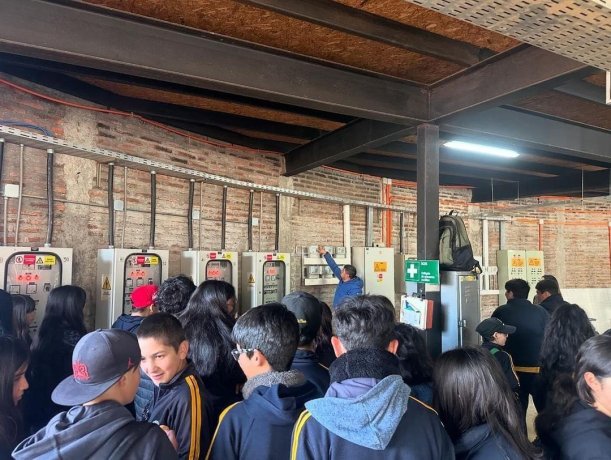
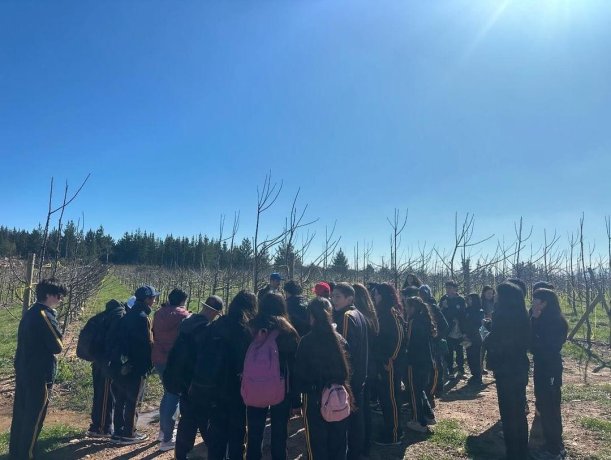
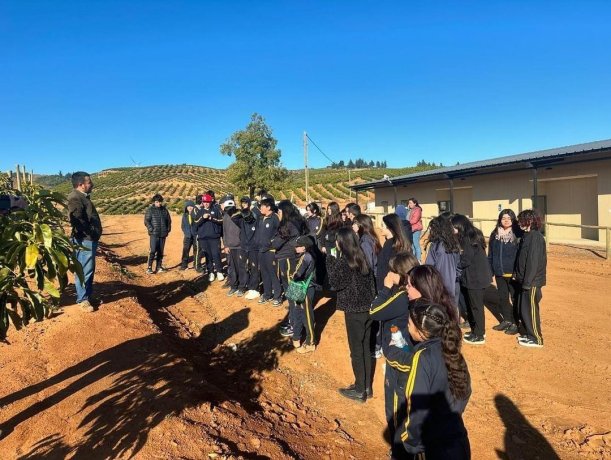
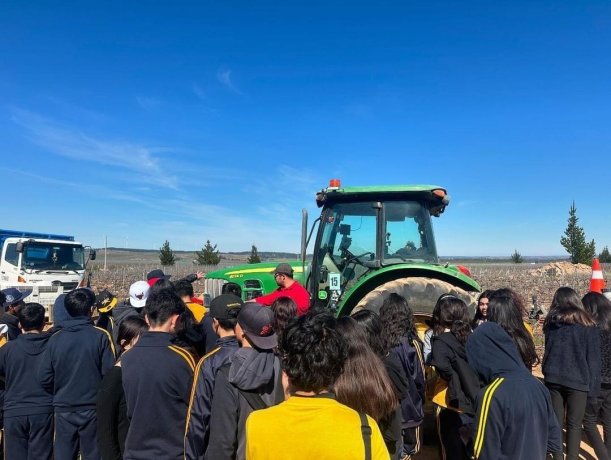
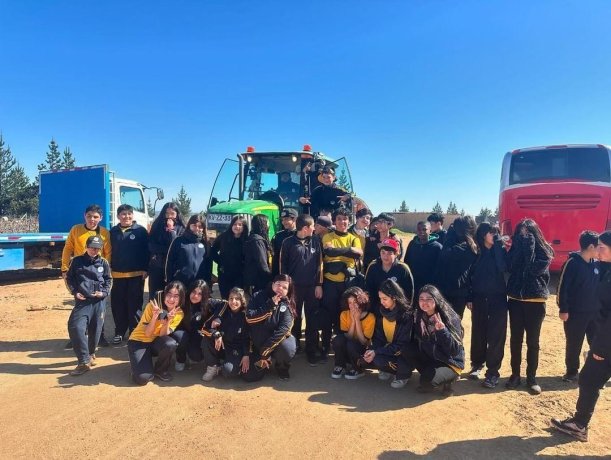
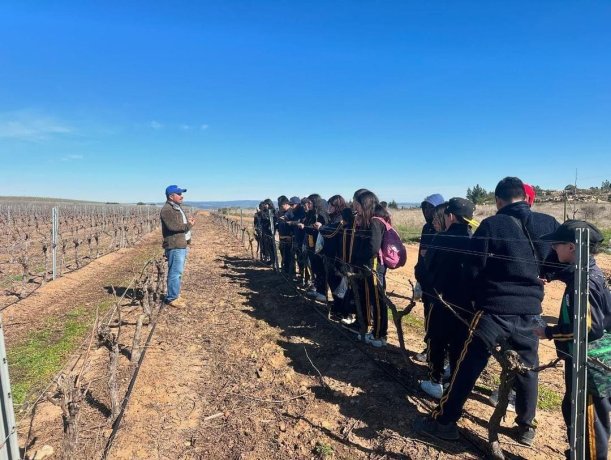
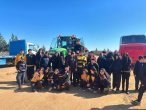
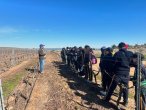
Furthermore, the relationship with local communities is a central dimension of this vision. “The aim is to strengthen trust and create a strategic alliance between the company and the communities,” says Bravo. This social approach is also realized through concrete actions such as field days organized with local schools, which seek to introduce sustainable agriculture to new generations.
For Baika Chile, LEAF Mark represents more than just technical validation: it's a guide for moving towards an inclusive, conscious agricultural model, prepared for the challenges of the future. A model where sustainability is built from the ground up, with discipline, knowledge, collaborative work, and respect for the environment.