Sustainability, science and data applied to avocado production
Biodiversity and carbon as a strategic axis
Baika and the Avocado Committee are promoting a pilot project in the Leyda Valley to measure biodiversity and atmospheric carbon, generating key data for the sustainability of the sector.
In late December, Baika launched one of the most important projects in its 2026 sustainability agenda: a pilot project to measure and monitor biodiversity and atmospheric carbon in the Leyda Valley. The project is led by CAZALAC and developed in conjunction with Baika and the Chilean Avocado Committee, with the goal of generating scientific evidence on biodiversity, carbon sequestration, and sustainability in avocado production systems.
The project is being developed in the Leyda Valley, a territory with a unique characteristic among the participating properties. It is the only field located in the Coastal Region (Region V), while the others are concentrated in inland and pre-Andean areas, thus incorporating a key geographical and climatic variable to broaden the diversity of the data obtained.
“This project stems from the update of our sustainability strategy, where we prioritize measuring and understanding both the impact of atmospheric carbon and the state of biodiversity in production systems,” explains Daniel Benavides Araya, HSE & Sustainability Deputy Manager at Baika. “Valle de Leyda allows us to incorporate a coastal context, different from the rest of our properties, strengthening the value of the information generated.”
Unpublished data for long-term decisions
In terms of biodiversity, the pilot project includes the installation of camera traps at strategic points on the property. These traps will record, in real time, the presence, diversity, and frequency of species, as well as their spatial use patterns and their interaction with the productive ecosystem. This information will allow for the creation of an inventory and map of species present on the property, as well as the generation of comparable data across different fields in the area.
“Camera traps will allow us to understand the current state of biodiversity and how it interacts with agricultural practices,” says Benavides. “This is key information for assessing how production management influences the natural environment and moving towards more balanced decisions between production and the environment.”
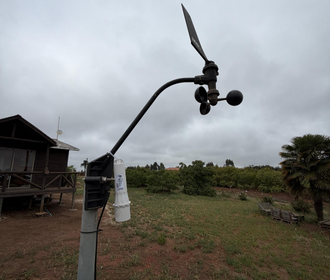
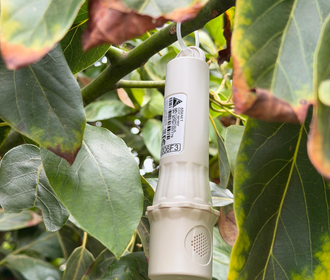
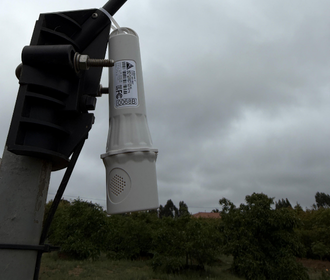
Additionally, atmospheric carbon sensors were installed to measure carbon levels within the field in real time. This data allows for analysis of its relationship with CO₂ emissions, climatic conditions, and the carbon sequestration capacity of the avocado grove, providing information that is still scarce in agricultural systems of this type.
From the Avocado Committee's perspective, the project is seen as a strategic tool for the industry's future. For Francisco Contardo-Sfeir, the association's executive president, “pilot projects like the one in Valle de Leyda are key because they allow us to generate concrete information for decision-making in the sector. It's not just an environmental project, but a way to anticipate market and regulatory demands, making sustainability a factor of competitiveness.”
The scientific work that supports this initiative is led by a specialized team headed by geographer Elir Rojas, and is part of a line of research that seeks to expand knowledge about biodiversity and carbon in avocado production systems, an area that is still poorly documented at the scientific level.
In the coming months, Baika expects to receive the first reports from the project, which will be used as tools for evaluation and continuous improvement. These results will allow for adjustments to production practices, strengthen long-term planning, and move towards evidence-based agriculture.
The pilot project in Valle de Leyda is the first step in an initiative that will expand to other fields and regions across the country. Beyond its specific results, the project lays the groundwork for developing common sustainability standards and for avocado production that is increasingly aligned with future environmental challenges.