Industry evolution
Morocco projects a harvest of close to 100,000 tons
The high temperatures affected the fruit sizes. Today, the big challenge is to incorporate technology and work with the producers.

September 17, 2026
The Moroccan avocado industry is preparing for a new season after a summer in which high temperatures affected some of the initially expected production. Despite these setbacks, Abdellah Elyamlahi, president of the Morocco Avocado Association (MAVA), indicates that the overall state of the season remains positive.
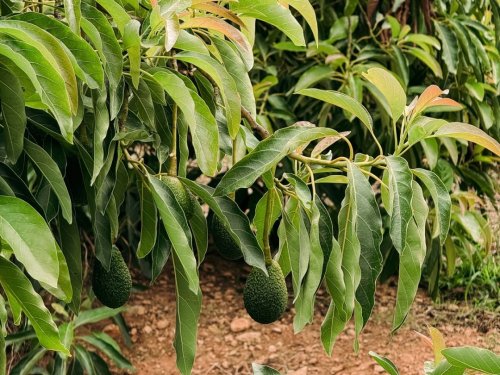
One of the major events occurred in late May, when the fruit was still in an early stage of development. According to Elyamlahi, this event caused fruit drop and reduced their initial estimates for the season. Later, a new heat wave, with temperatures exceeding 40°C, caused damage primarily to the fruit most exposed to the sun.
“Overall, the campaign has a good outlook. There is no shortage of fruit,” Elyamlahi states.
Unlike the high temperatures, the rains recorded before those events have not impacted production so far. “The only problem was the heat,” he maintains. According to Elyamlahi, its effects could also be seen in fruit size development, as the growth of some of the fruit may have slowed temporarily.
Technology and working with producers to improve performance
The recent episodes of high temperatures have also brought renewed attention to the tools available for protecting orchards. Elyamlahi points out that, given the recurrence of these events in recent years, one of the alternatives being used is the installation of spraying systems on the trees to reduce their exposure to heat stress.
According to the leader, adapting production practices will also be crucial for maintaining yields. He currently places Morocco's average yield at around 7 or 8 tons per hectare and believes there is room to improve these results through new solutions and closer collaboration with producers.
A campaign close to 100,000 tons
Given this scenario, Elyamlahi estimates that Morocco could reach a production of close to 100,000 tons of avocados during the new season. This figure would be lower than the nearly 120,000 tons that, he recalls, the country achieved two seasons ago.
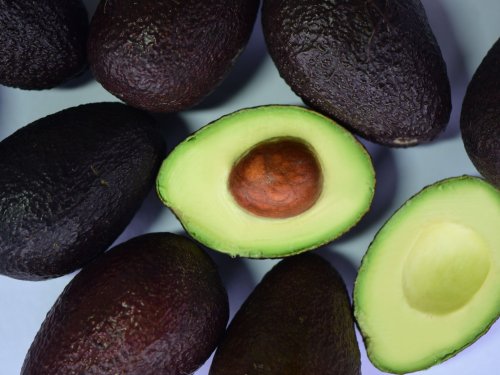
The harvest will begin gradually. Elyamlahi projects that the green-skinned varieties will start around the second half of the month. For Hass avocados, he anticipates a start between October 15th and 20th.
Looking ahead to the coming months, price trends will be another factor to watch. Elyamlahi points out that they will depend on the relationship between supply and demand and the presence of other origins in the market.
With the fruit gradually entering the market, another element to watch will be price behavior. Elyamlahi avoids predicting a specific trend and points out that it will depend on supply and demand, as well as the presence of other producing countries during the Moroccan window.
“That depends on the market and will also influence prices in Morocco,” he explains, mentioning the participation of origins such as Colombia, Israel, and Spain.