President of APEAJAL: “We are working to open the Korean and Chinese markets”
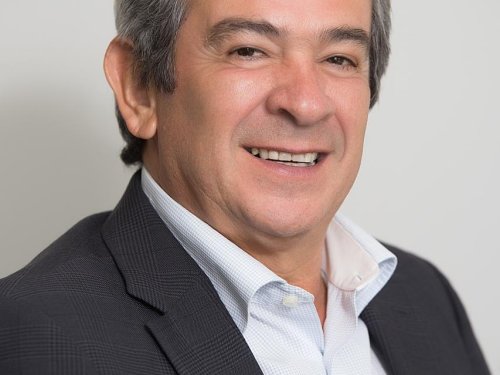
Saúl Medina Tejeda, president of the Association of Avocado Producers and Exporters of Jalisco (APEAJAL), explains how they will continue to represent 12% of shipments from Mexico to the United States.
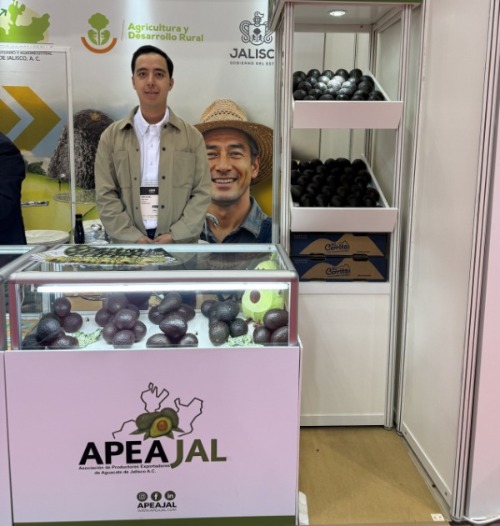
In the midst of a season marked by high volumes and price pressure, Saúl Medina Tejeda, president of the Association of Avocado Producers and Exporters of Jalisco (APEAJAL), analyzes the scenario that Mexico faces.
The state of Jalisco has 45,000 hectares planted with coca. Of these, 25,000 are certified for export to the United States. Currently, it is seeking to maintain its position in its main market while accelerating the opening of new destinations, such as Asia.
How does high volume impact prices and the business?
“It’s more complicated for everyone. Today, everyone is fighting for that extra peso. Last year, prices were high and it was easier to negotiate; today, with fruit at 20 pesos, you offer 19 and they won’t sell. That peso makes all the difference. And the truth is, it’s not just avocados: we’re seeing other products in Mexico and around the world, like corn, with very low prices. The exchange rate isn’t helping exporters much either, so everything comes together and makes it harder to maintain profit margins.”
Will these historical volumes be maintained or are they temporary?
“We don’t believe it’s permanent. We do believe there’s increasing competition. Mexico, especially Michoacán, is the world’s largest exporter, but it has many orchards that depend on rainfall. We had two very dry years, with stressed trees, and this year, with early rains, there was more fruit as a country. That helped bring back larger sizes. We hadn’t seen those sizes for two or three years. All of that affects the market, even in the United States, where some supermarkets had switched from size 48 to 60 or 70, and now that change is also influencing prices.”
Have you considered diversifying your markets?
“Yes. Today we export to the United States, Canada, Japan, the Emirates, and Panama. But we are working hard to open up markets in Korea and China. Michoacán is now authorized to export, so we are moving at full speed, seeking support from the state and federal governments to move forward. They are not major consumers today, but we see great potential, as Japan was a few years ago. We know it is a process, but it is key to not depending on a single market.”
What is the production situation in Jalisco?
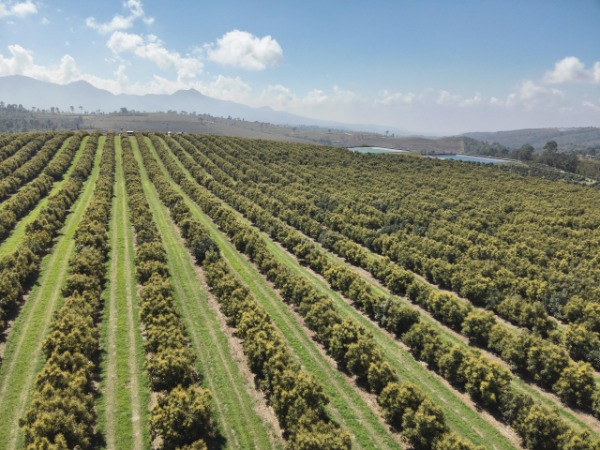
“We have 45,000 hectares planted throughout the state, of which 25,000 are certified for the United States. We are still finalizing the exact volume, because we have to consider what remains in the domestic market. At APEAJAL, we are working to incorporate some of the other 20,000 hectares into the export program, always without jeopardizing what has already been built.”
But is there a risk of saturating the market with more supply?
“I believe we are in a privileged market. Consumers in the United States overwhelmingly prefer Mexican avocados. California also has its place because it's a local product, but when you compare, Mexican avocados are still highly valued. Obviously, there's more volume and more competition, but we continue to have a strong position compared to other origins.”
How many hectares could be incorporated in the short term?
“Of the 20,000 remaining, about 7,000 could be ready in about two years. ‘Soon’ means just that, a gradual process. It’s a significant number, but I don’t think it will have a major impact on the price. We’d be talking about roughly an additional 2% of Mexican avocados, which shouldn’t drastically change the market.”
How are shipments distributed today?
“67% goes to the United States; 18% to Japan; 10% to Canada; 2% to Europe and the rest is distributed among other destinations, such as the Middle East and some Central American markets.”
How do they handle logistics for distant markets?
“Jalisco has a significant advantage: the producers are more technologically advanced and operate on a larger scale. There are producers with 100, 200, or even 500 hectares, which allows them to ship many containers from a single orchard. This contributes to post-harvest uniformity. You can ship fruit from the same altitude, with the same management practices, and that's key. For destinations like Japan, it can take 35 or 40 days from harvest to consumption, considering transit times of 22 to 25 days, and it still works well because of this consistency.”
What are the main challenges today?
“We have to work hard on our phytosanitary status because there are new mutations of pests that were previously under control. We also need to improve productivity, increasing it from 10 tons per hectare to 12 or 14. And we need to understand that this is a global market: Peru continues to grow, Guatemala is close to entering the United States, Chile has historically participated and can return when the market requires it. Today, a buyer can bring fruit from anywhere in the world, and that forces us to become increasingly competitive.”