HPP technology: the method that is revolutionizing the way to preserve natural and safe foods
In a world where consumers demand more natural products, without additives and with greater food safety, HPP (High Pressure Processing) technology is positioned as a cutting-edge solution for the global food industry.
Although for years it was seen as a luxury reserved for premium brands, today HPP has become a key strategic tool for accessing the world's most demanding markets.
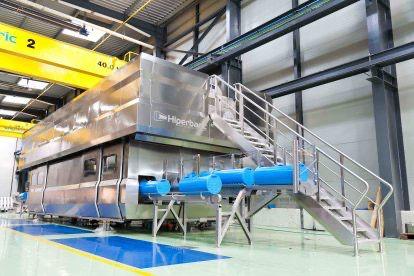
Unlike traditional preservation methods, which require heat or chemicals, HPP technology applies pressures of up to 6,000 bar with cold water to inactivate pathogenic and spoilage microorganisms present in food.
This method allows for extending the shelf life of products without altering their flavor, texture, or nutritional properties. According to Hiperbaric , a leading company in HPP solutions , the treatment is performed at low temperatures, without affecting heat-sensitive compounds such as vitamin C, and is applied to products that are already hermetically sealed, thus reducing the risk of recontamination (Hiperbaric, 2024).
“The great value of this technology is that it allows us to offer a 100% natural product, without antioxidants or preservatives,” according to Avocomex , an international company based in the USA that markets products such as guacamole, avocado pulp, and IQF frozen products (halves, cubes, slices). “It’s basically like having freshly made pulp,” they add.
This ability to preserve food in its purest state directly addresses a growing consumer demand, especially in the United States, Europe, and Asia, where clean labels are increasingly valued. According to a 2023 report by Innova Market Insights , 60% of global consumers actively seek products without artificial ingredients or with minimal processing.
Food safety guaranteed
Beyond preserving freshness, one of the greatest contributions of HPP technology is its effectiveness in inactivating dangerous bacteria , especially Listeria monocytogenes , one of the most difficult to eliminate with conventional methods.
“We have a virtually harmless product, with no contamination problems, especially regarding bacteria and primarily listeria,” explains Avocomex. “That’s why this technology is increasingly required to enter markets that prioritize food safety.”
Organizations such as the U.S. Food and Drug Administration (FDA) and the European Food Safety Authority (EFSA) endorse the use of HPP as an effective and safe technique, suitable for a wide variety of products, from juices and sauces to meats, seafood, prepared dishes and baby food.
High-pressure processing (HPP) can increase the shelf life of refrigerated food by two to ten times, depending on the product, without the use of chemical preservatives. For example, guacamole processed with HPP can stay fresh for up to 90 days, compared to 5 to 7 days for an untreated product, according to data from the Spanish manufacturer Hiperbaric, a world leader in HPP solutions.
This benefit not only responds to consumer desires, but also improves the competitiveness of exporting companies, which require greater stability and security in their international distribution chains.
What was once an exclusive technological advantage is now becoming a minimum requirement for competing. “Initially, HPP was a luxury, but today it's becoming almost a prerequisite for delivering a product that inspires confidence,” Avoxomex emphasizes.
More and more countries are incorporating this technology as a standard for refrigerated products, and consumers also recognize it as a seal of quality, freshness and safety.
In addition to its health and commercial advantages, HPP is a sustainable technology. It uses only water and electricity, generating no polluting waste, and reduces food waste by extending shelf life.
The future of food undoubtedly lies in offering natural, safe, and environmentally friendly products. In this pursuit, HPP technology is no longer just a promise: it's a rapidly expanding reality.