The technological revolution in agriculture: drones, AI and robotics are transforming farming
Modernization of agriculture is advancing rapidly thanks to innovations that seek to increase productivity, reduce environmental impact, and respond to the growing global demand for food.
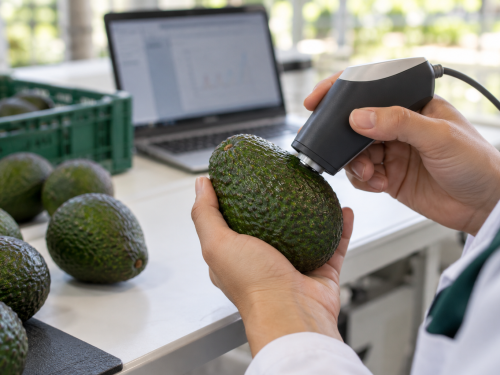
Modern agriculture is undergoing an unprecedented transformation. Technologies such as drones, IoT sensors, artificial intelligence, robotics, and biotechnology are revolutionizing farming practices, enabling more precise and efficient resource management. This shift not only increases productivity per hectare but also helps address the effects of climate change and the need to ensure food security.
So-called precision agriculture is already demonstrating measurable results: 15% increases in yields, up to 30% reductions in water use, and a 25% decrease in carbon footprint on farms that adopt these practices. Furthermore, drones allow for the precise detection of pests and application of inputs, while artificial intelligence transforms large volumes of data into strategic decisions to improve harvests.
However, technological adoption still faces challenges. The cost of implementation, the lack of technical training, and limited connectivity in rural areas hinder its expansion, especially among small producers. Even so, the future points to what is known as Agriculture 5.0, a model where autonomous systems, real-time data, and advanced biotechnology will consolidate a more productive, sustainable, and resilient agricultural sector.
Source: portalfruticola.com