BioPollen Solutions: innovation and total control in assisted pollination
In the world of modern agriculture, ensuring efficient and controlled pollination is a crucial challenge for crop profitability. BioPollen Solutions, a Baika Fruits company, has positioned itself as a leader in the development of a unique assisted pollination technology, specially designed for crops such as avocados, cherries, almonds, and European hazelnuts.
BioPollen Solutions' innovation lies in an advanced process that combines the extraction of pollen from selected flowers, its formulation into a 100% natural liquid product, and its preservation for weeks. This allows the pollen to be applied at the optimal flowering times. "It's like having a pollen bomb stored away that can be used several times during the season to ensure proper pollination," explains the BioPollen Solutions team.
Thanks to this technology, producers can take full control of a critical process that has traditionally depended on external factors such as bees or wind. Now, it is possible to decide how much to apply, how often, and when, thus maximizing crop productivity.
And the results speak for themselves. In avocado crops, for example, production increases range from 20% to 30%, according to tests conducted over four seasons. This level of efficiency not only improves fruit set and size, but also increases the crop's resilience to adverse weather conditions and reduces dependence on natural pollinators.
Furthermore, this technology allows for the optimization of the producer's resource use, such as the reduction of pollinating trees, generating a direct impact on profitability.
Precise methodologies and scientific validation
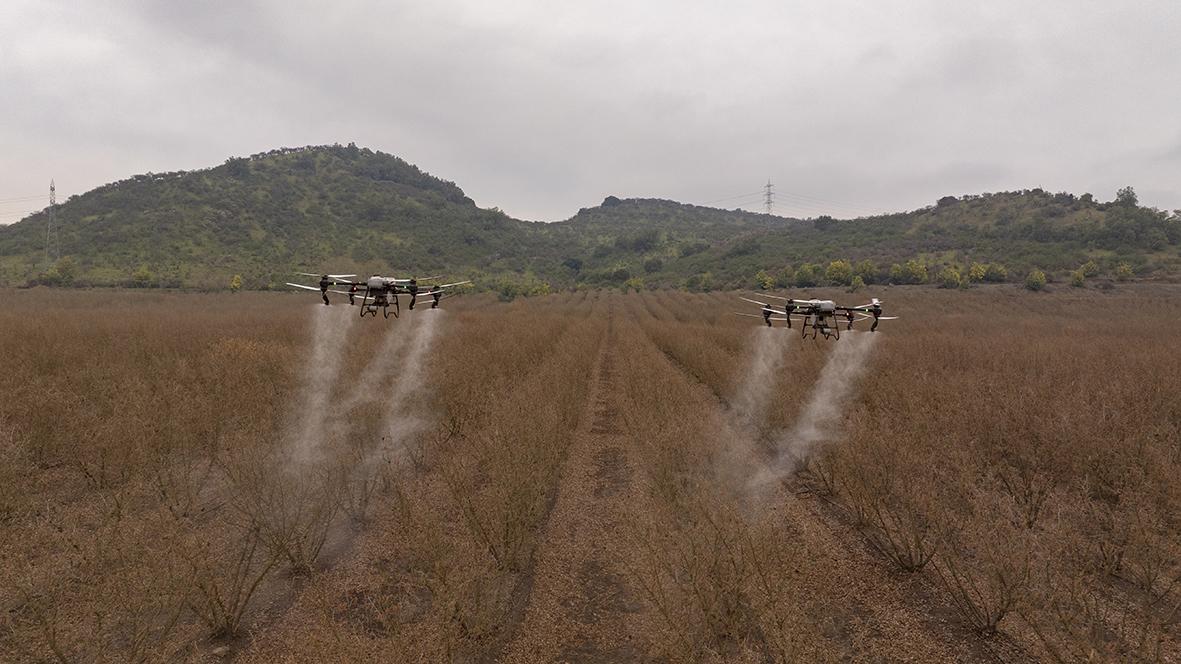
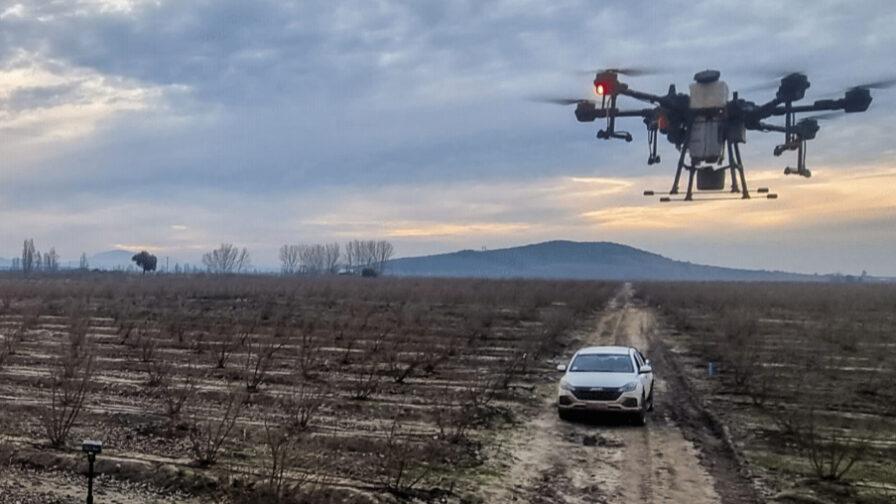
One of BiopPollen Solutions' most outstanding features is its ability to perform precise applications using drones and helicopters. This approach allows for the coverage of large areas—up to 150 hectares per day—in short time windows, typically 2 to 3 hours daily under ideal flowering conditions.
The company has also scientifically validated its technology. Its pollen viability protocol has been endorsed by renowned Chilean laboratories, and genetic studies have been conducted demonstrating that the applied pollen belongs to the variety supplied by BioPollen Solutions. This ensures that the product meets the highest standards of quality and efficacy.
Currently, BioPollen Solutions has commercial operations in Chile, Peru, and California, and is expanding into Australia. With a customer base covering approximately 1,000 hectares annually, the company is projected to be a global leader in assisted pollination, with enormous growth potential.
According to his team, this technology not only improves yields, but also offers producers the ability to control key variables such as productivity, fruit size, and stability in the face of climatic challenges.
“We invite producers to try our technology and discover how it can transform their crops, increasing profitability and offering solutions to problems such as bee shortages or flowering limitations. We are here to help them maximize the potential of their crops,” they conclude.
With BioPollen Solutions, the future of pollination is in the hands of those seeking innovation and total control in their agricultural production.