International analysis
India and avocados: "There is a significant risk of oversupply"
Ashish Banerjee, co-founder of H Fruits & Co, analyzes the keys to consolidating the avocado market in India: consistent quality and affordable prices.

October 15, 2026
In India, when avocado prices fell to approximately US$2.50–3.00 per tray, more sellers began offering the fruit in the Asian country. At the time, the expectation was not that the product would become more accessible to new buyers. However, according to Ashish Banerjee, co-founder of H Fruits & Co., the decline in wholesale prices was not proportionally reflected in retail prices.
In Banerjee’s analysis, part of the price reduction created an opportunity for retailers to earn higher margins, but it did not make avocados more affordable for consumers.
This situation, described in a review of the oversupply challenges of 2025, highlights one of the key questions facing the future of the Indian market: how much of the growth in supply is building demand that can be sustained?
“Lower wholesale prices alone do not necessarily translate into higher consumption,” Banerjee tells Avobook in an interview. He argues that for this effect to materialize, lower prices must reach the end consumer and be accompanied by consistent quality and greater product awareness.
Consumption Growth and Oversupply Risks
Banerjee acknowledges progress in sales. The availability of more affordable avocados from origins such as Tanzania and Kenya has contributed to increased consumption in recent years.
Nevertheless, he considers the growth rates observed in previous years exceptional and unlikely to be sustained at the same pace. From his perspective, consumption growth has yet to keep up with the increase in supply.
“The Indian avocado market continues to face a significant risk of oversupply, particularly during periods of peak availability,” he warns.
For a large share of Indian consumers, avocados remain a premium fruit and have yet to become part of their everyday diet. As a result, greater market presence alone does not solve the challenge of turning avocados into a regular purchase.
Consumer Experience and Quality as Key Drivers of Growth
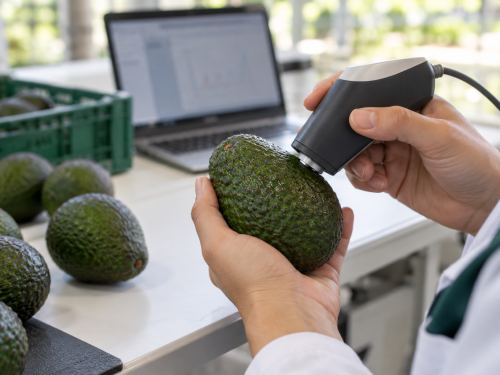
Banerjee identifies inconsistent quality in both imported and domestically grown fruit as an obstacle. According to his analysis, factors such as variety, ripeness, oil content, and dry matter are not always adequately controlled.
This variability makes it difficult to consistently deliver the product consumers expect, an issue that is particularly relevant in a category many buyers are still getting to know and for which they pay a premium price.
“The biggest challenge is not simply introducing avocados to the market; it is ensuring that consumers consistently receive fruit that meets their expectations,” he explains.
For Banerjee, the cold chain, postharvest handling, ripening infrastructure, and quality inspections upon arrival play a central role in this process. These measures help protect the consumer experience and encourage repeat purchases.
Retailers also have a role to play. Banerjee notes that many consumers do not know how to distinguish a high-quality avocado or recognize when it is ready to eat. Guiding consumers on selection, ripening, and preparation is part of building trust.
Key Requirements for International Suppliers and a Wider Range of Sizes
Competitive prices, consistent quality, and volumes aligned with actual demand are the three priorities Banerjee identifies for suppliers seeking to establish a stronger position in India.
Although price is a decisive factor in cost-sensitive markets, the entrepreneur warns that introducing excessive volumes without a corresponding increase in consumption can put downward pressure on prices and create commercial instability. Competitiveness therefore requires supply planning, not just the ability to ship fruit.
The growth of e-commerce and organized retail has created opportunities for a wider range of fruit sizes. According to Banerjee, the market was primarily supplied with trays of sizes 14, 16, and 18, while sizes 20 and 22 are appearing more frequently during periods of abundant supply. Sizes 24 and 26 may also find opportunities when availability is tighter.
This flexibility makes it possible to serve different market segments and price points. However, he argues that taking full advantage of these opportunities depends on combining reliable quality, efficient logistics, and disciplined volume management.
Integrating Avocados into Indian Cuisine: From Premium Fruit to Everyday Purchase
Expanding consumption beyond higher-income households and major cities involves challenges that go beyond supply. According to Banerjee, awareness of how to prepare avocados remains limited, and their incorporation into everyday Indian meals is still relatively low.
His proposed approach combines education, recipes, and practical guidance. He sees opportunities both in promoting cuisines that already use avocados and in incorporating the fruit into suitable local dishes and formats.
The challenge is to give consumers the motivation and tools to use avocados more frequently. However, he emphasizes that familiarity must develop alongside affordable prices and consistent quality that encourages consumers to repeat a positive experience.
The Emerging Role of Domestic Avocado Production in India
India’s avocado market is also being supported by domestic production. Banerjee notes that several varieties are already being cultivated in different regions, although achieving significant commercial scale will require further investment in planting material, cultivation practices, postharvest handling, and distribution.
In his estimation, the expansion of avocado trade could become more evident over the next three to five years, while building consumer confidence and reliable distribution channels could take between six and eight years.
As the sector grows, domestic production could complement imports and gradually compete with imported fruit during periods when it is available at competitive prices. Nevertheless, Banerjee does not anticipate international suppliers being displaced in the near term. They are expected to continue contributing to supply and ensuring year-round availability.
He also sees potential in processing industries, such as avocado oil production, which could diversify demand and make use of fruit unsuitable for the fresh market, provided it meets the relevant requirements.
“In the long term, India’s success will depend on building a market where supply growth is supported by genuine consumer demand, consistent quality, efficient distribution, and affordable prices,” Banerjee concludes.