International Analysis
Transparency can transform the avocado market
Increased information flow seeks to reduce gaps between producers, exporters, and importers in the avocado industry.
The Hass avocado industry and the global market have established themselves as one of the most dynamic and competitive horticultural sectors in the world. However, the explosive growth of global production and the rapid incorporation of new exporting countries have brought to the table a challenge that goes far beyond the simple law of supply and demand: the urgent need to have reliable information, rigorous protocols, and technical transparency for decision-making throughout the agricultural supply chain.
Establishing solid, symmetrical, and data-driven commercial relationships among producers, exporters, and importers is today the industry's greatest challenge in order to avoid million-dollar losses and optimize long-distance fruit shipments.
A Bridge Between Continents: From Social Vision to International Trade
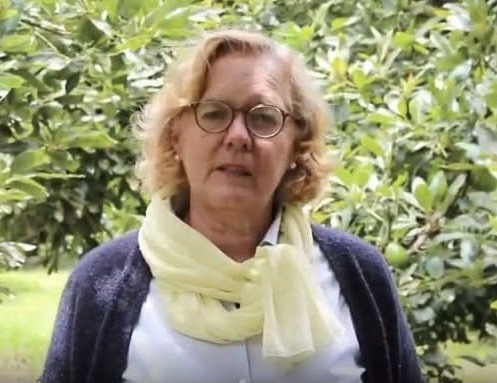
For Lia Bijnsdorp, international trade specialist and founder of United Producers of Mexico (UPM), the path toward the professionalization of the sector stems from curiosity and multicultural connection. Born in the Netherlands, educated in France and the United States, and based in Morelia, Michoacán since 2008, Bijnsdorp quickly identified the strategic role of the Netherlands as the main gateway to the European market.
Through Fair Trade initiatives with local producers, the founder of UPM began to structure a commercial support model. Uncertainty regarding the reliability of the actors was always the greatest obstacle.
"Who can I work with in Europe that is reliable?" or, from the buyer's perspective, "Where can I find exporters with solid experience shipping to Europe?" For Bijnsdorp, answering this question became the key issue that drove the creation of more transparent networking connections, not only for Mexico but also for producers around the world, including Colombia, Kenya, Uganda, and Rwanda.
Complementing this commercial background is a particular approach derived from her experience in personal development and self-awareness, embodied in her Strategic Redefinition program. Through this method, Bijnsdorp works with agricultural entrepreneurs to raise awareness of the criteria behind their commercial decisions.
"Many people operate on autopilot and have blind spots. We help them become aware of their strategic decisions because very few studies analyze the actual criteria on which we base our business decisions," she explains.
The Technical Challenge of "Traveling Fruit" and Long-Distance Markets
An important part of the challenges faced by exporting companies is not solely the result of climatic factors or logistical disruptions, but rather of the lack of technical knowledge about how to operate in highly demanding markets such as the European Union. When the market is undersupplied or prices are high, there is a certain degree of flexibility, but when supply increases, European retailers become more demanding and only accept fruit of the highest standard.
There is a structural difference between supplying destinations such as the United States and shipping containers to Europe. While the U.S. market offers rapid distribution and transit times of only one or two days from Mexico, the European continent requires fruit capable of withstanding three to four weeks of ocean transit, in addition to the shelf life required to reach the final consumer in optimal condition.
"Traveling fruit has to be healthy and well nourished from the orchard," emphasizes Bijnsdorp.
To mitigate setbacks upon arrival—ripening problems, quality issues, or port rejections—the specialist highlights the need to comply with strict postharvest protocols and adopt verified quality certifications.
Key Tools: Marketplace, Independent Inspections, and Training
To mitigate the risks inherent in international trade, UPM is currently in the pilot phase of a comprehensive digital platform that functions as a self-managed marketplace, a networking space, and an educational center for both pre- and postharvest practices.
Within this digital architecture, transparency is achieved by making independent quality inspections mandatory, both at the packing facility (origin) and upon unloading at the destination port. In this way, the key data regarding the condition of the fruit ceases to be biased or individual information and becomes shared evidence that drastically reduces commercial disputes over arrival quality.
The experience gained from working with different origins demonstrates that operational failures tend to be repeated across the board. Lack of knowledge of, or failure to comply with, Europe's strict phytosanitary and residue protocols, the absence of verified commercial references for new receivers or partners at destination, and poor planning in managing the commercial windows of each producing origin are among the most common obstacles identified by Bijnsdorp in her analysis.
Market Intelligence and the Emergence of Processing
In an industry characterized by volatile changes, having real-time market intelligence is as valuable as the physical quality of the product. Lia Bijnsdorp highlights how specialized information tools and weekly communication between origins and destinations make it possible to map critical events, from the impact of the El Niño phenomenon on Peru's production volumes, to the reduced production recorded in Colombia, or the logistical disruptions affecting Kenyan fruit due to the blockage of the Suez Canal and the Red Sea.
Likewise, the dynamics of the sector are bringing new relevant players into the market. As a board member of the Avocado Oil Manufacturers Association (AOMA), Bijnsdorp emphasizes the growing influence of the avocado oil industry. Over the past three years, the strong demand and prices for fruit destined for processing have begun to exert significant pressure on—and strongly interact with—the fresh fruit market, requiring massive volumes and reshaping the profitability of the sector.
Toward a Balance in Global Supply
Despite technological advances and information platforms, Lia Bijnsdorp is emphatic: the greatest challenge facing the avocado industry continues to be fruit quality, together with the ability to maintain a healthy balance among the different destination markets and marketing channels.
In the face of the constant growth in global consumption, with Europe maintaining sustained historical growth rates of over 15%, transparency is no longer merely a declaration of good intentions but has become an indispensable competitive advantage. In an interconnected environment, having accurate data, continuous technical training, and verification tools is the only way companies can anticipate crises and capture the true opportunities of the market.