Global Market
Morocco seeks to bring producers closer to the market
Abdellah Elyamlahi (MAVA) analyzes the challenges of avocados in Morocco after the heat wave and plans the Moroccan Avocado Summit 2026.
September 30, 2026
The producer observes what happens on their farm; the international buyer looks at the needs of their customers and the demands they will have to meet in the future. For Abdellah Elyamlahi, president of the Moroccan Avocado Association (MAVA), bridging these perspectives is a central task for the development of Moroccan avocados.
“We have seen that there is a significant gap between the producer and the markets. The producer looks from his farm, while supermarkets have demands and look towards the future,” he explains in an interview with Avobook.
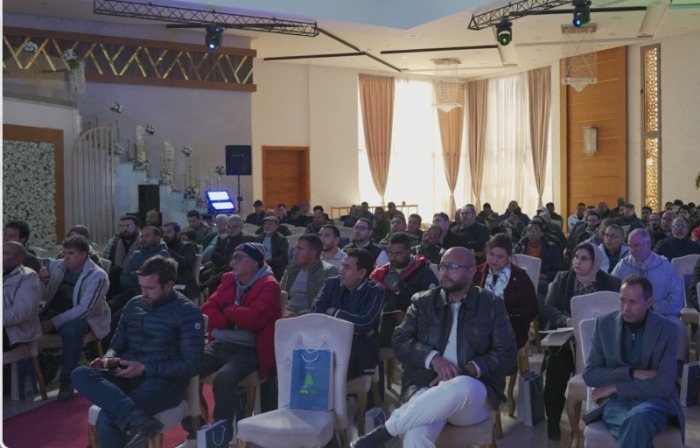
This perspective helps to understand the purpose of the Moroccan Avocado Summit 2026 : to bring together producers, exporters, and customers to connect technical knowledge with marketing conditions. Its second edition will take place on October 15, 2026, in Larache, under the theme “Yields, Trends, and Sustainability.”
According to Elyamlahi, the meeting aims to help farmers understand the origin of the requests they receive from exporters and packing companies. “There is a market, there are supermarkets and end customers who have requirements regarding the fruit and the standards we must meet to continue growing,” he maintains.
The heat puts performance and productivity front and center
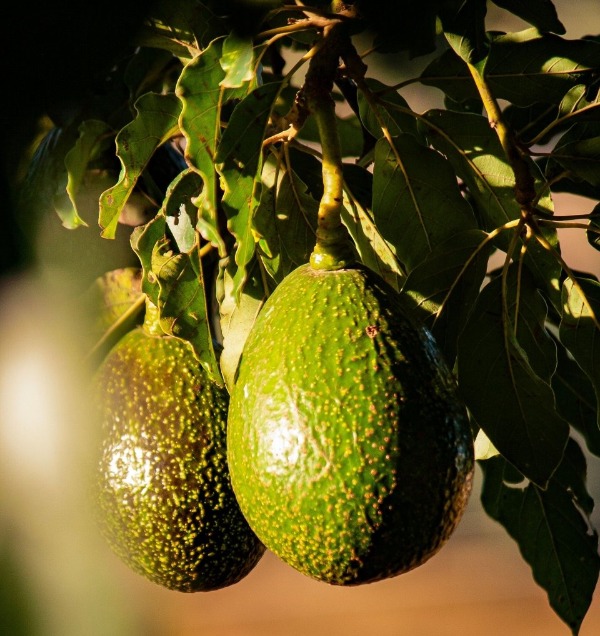
The discussion about productivity comes after a challenging summer. Elyamlahi recounts that a heat wave in late May affected the fruit when it was still small, causing discoloration and a drop in fruit size that reduced initial harvest expectations.
A second episode, with temperatures exceeding 40°C, caused defects in the fruit most exposed to the sun and with the least protection from the foliage. It also notes that the heat may have stunted growth and affected fruit size development.
Despite these effects, the leader believes the campaign maintains adequate availability and estimates production at close to 100,000 tons. This projection, according to his assessment, reflects the losses caused by the heat.
To address similar events, he proposes that growers evaluate systems that spray water onto the tree canopy as a protective measure against heat stress. His approach aims to incorporate tools that reduce orchards' exposure to these events.
“Yield is related to heat stress, because it affects production,” he points out. Therefore, he considers it important to provide farmers with knowledge and management alternatives that will help them protect their crops.
Elyamlahi places Morocco's average yield at around seven or eight tons per hectare and maintains that there is room for improvement. From his perspective, training and investment in farms are necessary to move in that direction.
Sustainability and compliance for commercial access
The second focus of his analysis is sustainability. For Elyamlahi, complying with regulations and taking care of production resources are also part of the ability to maintain business relationships.
“We want a production that can be sustained over time, that takes care of the water, that takes care of the workers and that considers all these aspects so that it is sustainable,” he says.
Their vision links business continuity to the practices applied in the field. Improving performance must be accompanied by management that considers available resources and the conditions of those working in production.
These challenges are reflected in the topics announced for the Summit, which include irrigation management, precision agronomy, post-harvest, logistics and innovation, along with responsible water use, soil conservation and biodiversity.
Listening to the international market beyond negotiation
According to Elyamlahi, international participation serves a purpose that goes beyond simply exchanging information. When an exporter requests changes from a producer, that conversation takes place within a commercial relationship. Hearing the same needs directly from other stakeholders can help to understand their scope.
“When someone from outside comes and raises these same issues, farmers can listen differently, because they know it’s not just about a trade negotiation, but about real market needs,” he explains.
Prices will be part of that conversation. Elyamlahi notes that both producers and buyers want to know the outlook for the season, although he cautions that the outcome will depend on supply and demand, including what happens with other origins such as Colombia, Israel, and Spain.
The meeting seeks to broaden that discussion to include the decisions farmers can make: how to improve yields, protect fruit, and respond to the conditions of the markets they want to reach.
“The idea is that they can gain knowledge that connects the technical and commercial aspects,” Elyamlahi summarizes. This is the link he hopes to strengthen so that the farm's decisions also incorporate the needs of those who buy and consume Moroccan avocados.