International meeting
Key themes of the first avocado oil congress
The First International Avocado Oil Congress in Seville will address extraction efficiency, authenticity, by-products and extra virgin quality.
October 8, 2026
The relationship between field decisions and processing and their effects on avocado oil quality will be one of the starting points of the First International Avocado Oil Congress, organized by the Avocado Oil Manufacturers Association (AOMA) , which will take place from October 29 to 31, 2026 in Seville, Spain.
The program focuses on five key areas: fruit maturity, extraction efficiency, authenticity, byproduct utilization, and quality. Through conferences, workshops, and technical visits, the event will connect the expertise of specialists in the fresh produce sector with researchers, oil producers, and machinery suppliers.
Fruit maturity and raw material handling
The first day will examine how avocado maturity, selection, and handling influence the consistency of the raw material used for extraction. The session will feature presentations by Adam Shaw of Mission Produce; Marco de Jong of Ripe Wise; and Iván Nieto of Nulab.
The sessions will cover topics such as the decisions made from harvest to reception at the processing plant, including sorting, transport, and evaluation of the fruit. According to the program, differences in ripeness and damage can affect process stability, reduce extraction, and require stoppages and restarts.
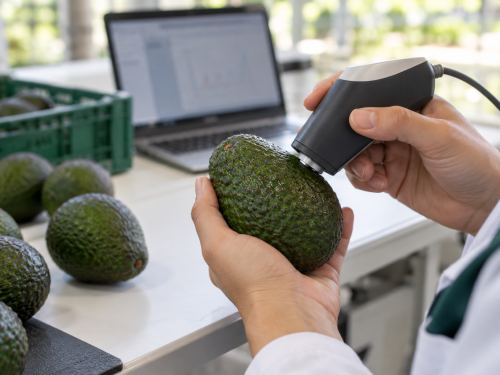
In this context, AOMA plans to present a prototype AI-powered selection system to distinguish maturity levels and visible damage. The presentation will depend on the system's completion in time for the congress.
Efficiency in oil extraction
The second focus will be on measuring where oil is lost and how to improve its recovery. The discussion will cover the entire process, from fruit intake to byproducts, considering adjustments to milling and separation equipment.
Gabriel Beltrán, from IFAPA Mengíbar; José María Olmos; and machinery manufacturers will participate in this session. The use of near- and mid-infrared technologies to evaluate oil content at different stages and guide improvement tests will also be explored.
Authenticity and international standards: Chemical fingerprint study
Authenticity will be another key focus of the event. Wenceslao Moreda Martino and Raquel Gómez-Coca, from the Instituto de la Grasa (Institute of Fat), will present a proposal for an international study to characterize oils from different origins and harvest periods.
The project involves collecting fruit from different producing countries, processing it under controlled conditions at IFAPA Mengíbar, and analyzing the oil at the Instituto de la Grasa (Institute of Fat). The aim is to study its chemical profile, including fatty acids and sterols.
The proposal aims to expand knowledge about the natural variation in avocado oil. By providing information on origin, variety, and harvest period, researchers hope to help distinguish these differences from potential signs of adulteration and strengthen the scientific basis of international standards.
Utilization of by-products: Circular economy in industry
Subsequently, the program will address the potential of peels, seeds, pulp, and processing water.
Researchers from the Instituto de la Grasa and IFAPA will explore a utilization sequence that begins with the recovery of bioactive compounds and continues with potential uses for the remaining materials. Alternatives include compost, biochar, biogas, and energy.
The session will also connect these lines of research with the decisions manufacturers must make daily. What byproducts to separate, how to evaluate the costs and benefits of a technology, and what alternatives could work at a production scale are some of the questions that will be addressed.
Extra Virgin Avocado Oil Forum: Quality, Analysis and Gastronomy
The fifth focus area will bring together chemical analysis, sensory evaluation, and production experience. This section will include the Extra Virgin Avocado Oil Forum, which will also incorporate gastronomic perspectives.
Among the announced participants are Diego Luis García González and Fernando Martínez, from the Instituto de la Grasa; Fermín López, from the Seville School of Hospitality; Sabrina Falquier, from the United States, and the gastronomic journalist Francesca Romana, from Italy.
The presentations will explore the relationship between composition and sensory attributes, the uses of oil in cooking, and its presence in different food cultures. A panel of producers will complement these perspectives with experiences in product development and communicating its value to the market.
The closing event will feature Gary Hannam from Olivado, New Zealand; Cid and Corinne from Bella Vado, California; Miraj Shah from Crofts, Kenya; Enrique García from Avolution Lab, Spain; and Hulisani Mudau from Ecovado, South Africa.
Technical visits: Technology transfer with the olive sector
The third day will be dedicated to visiting processing and research facilities. The program includes visits to Molino del Genil in Écija; IFAPA Mengíbar; and an olive pomace processing plant.
These activities will allow participants to observe experiences in the olive sector related to extraction, process monitoring, and the use of byproducts. The final locations, schedule, and transportation details will be communicated to registered participants.
Information on how to register for the event is available on the official website of First International Avocado Oil Congress