Export progress in Bolivia
It is moving towards the export of Bolivian avocados
With a record harvest and investment in processing, Claudia Oliva is preparing Los Paltos to open international markets for Bolivian avocados.
September 30, 2026
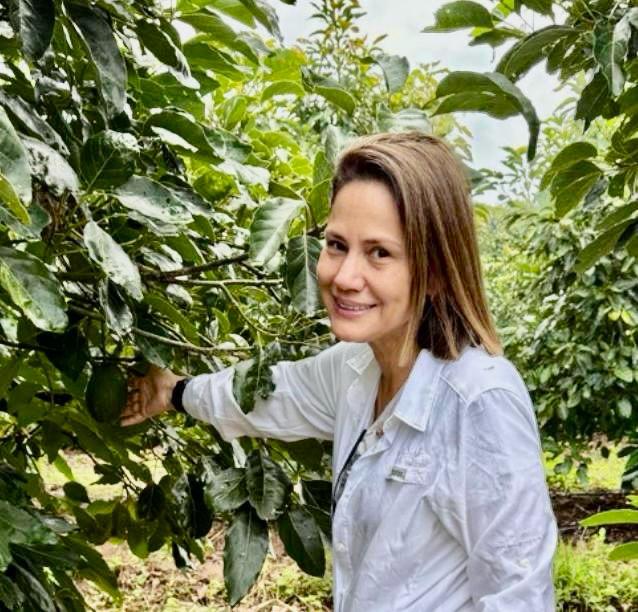
Since her first conversation with Avobook in November 2025, Claudia Oliva, owner of Agrícola Los Paltos, has continued working to bring Bolivian Hass avocados to international markets. The project has not yet completed its first export, but it has made progress in managing the plantation and is preparing new facilities for packing and processing the fruit.
In conversations with Avobook, Oliva explains that the harvest completed in July 2016 exceeded 100 tons. Now, with changes in agronomic advice and adjustments in field management, he projects doubling that volume in the next season.
“We’ve changed engineers, and therefore, we’re managing the plantation with Bolivian engineers at the moment,” he notes. The addition of local professionals, after working with Peruvian consultants, has allowed for more frequent visits and closer monitoring of the crop’s phytosanitary and productive conditions.
For Oliva, these advances are part of the learning process required to develop the project. “We’re feeling optimistic and learning every day,” she says.
Adjust production and define the harvest schedule
Changes to the plantation include more frequent soil and foliar analyses. According to Claudia Oliva, the results have helped adjust applications and irrigation to the specific conditions of the property. The company also incorporated a new foliar applicator imported from Peru.
“We’ve made some adjustments to our applications and the truth is that we’re quite satisfied,” he says.
Harvest planning also depends on the fruit's intended use. Oliva explains that Los Paltos' Hass avocados can reach the necessary dry matter content to begin harvesting as early as March. However, if the production remains in Bolivia, the company prefers to start later to reduce overlap with the supply of local avocados.
According to the producer, this fruit is in high demand between December and March. Therefore, Los Paltos aims to harvest from May for the domestic market, while any potential exports would allow for a start date between March and April.
The difference shows how access to foreign buyers could modify decisions in the field; the harvest schedule must respond to both the conditions of the fruit and the marketing possibilities.
Chile: the most advanced phytosanitary target
The first international shipment remains subject to sanitary access procedures. Oliva maintains that Chile is the destination where the project is most advanced and that the company has met all the requirements it received. However, according to him, the necessary inspections and certifications still need to be completed before shipments can begin.
The production company attributes the delay to difficulties in institutional coordination in Bolivia. "That's what we feel, that we're not being supported at the Bolivian government level," they stated.
The negotiations regarding avocados have a public precedent. In October 2024, the Bolivian Foreign Ministry included the product among the topics for market access discussed with Chile in a bilateral meeting. This precedent confirms that access has been part of the trade agenda, although it does not confirm a specific authorization for avocados.
In Argentina, Oliva describes an earlier stage, explaining that she is still waiting to receive an official list of requirements to continue the process. The company has also requested access to Paraguay.
While those talks are underway, Los Paltos continues its sales operations in Bolivia. According to its owner, the fruit reaches supermarkets, restaurants, hotels, and the wholesale market. This presence sustains current activity, but the search for international markets remains central to its growth plans.
IQF processing opens a second commercial avenue
Alongside its fresh produce, the company is developing its processed product offerings. Currently, the company is working with approximately four tons of pulp for the local market and is looking to expand its use to restaurants and cafes.
The challenge, Oliva explains, is getting buyers to accept a frozen product in a market accustomed to consuming fresh fruit. To support this process, the team is developing recipes and exploring collaborations with culinary schools.
The next investment aims to expand processing capabilities. According to Oliva, the individually quick-freezing (IQF) equipment is already in Bolivia. Installation and initial testing are scheduled for October, while the inauguration of the new facilities is projected for December.
The facility will also include fresh fruit packing. With this, the company aims to consolidate its packing, pulp processing, and freezing operations, and offer options to different buyers.
The addition of IQF represents progress for Los Paltos and its intention to diversify its product offerings. Oliva plans to also work with other fruits available in Bolivia, such as mango and pineapple, to expand supply options beyond the avocado harvest.
Structuring the offer and consolidating international buyers
Infrastructure investment still needs to be accompanied by trade agreements. Oliva is looking for a partner who can market the products abroad while his company focuses on production and packaging.
For now, there are no signed contracts that define the volumes allocated to each format. "Since we don't have a signed contract yet, everything will depend on which month we can finalize these kinds of commercial agreements," he explains.
The project is thus progressing on two fronts. First, preparing the fresh fruit for potential market access and developing a range of processed products for possible international buyers. The next stage will depend on completing the facilities and obtaining the necessary certifications, and converting those discussions into concrete orders.