Rwanda surpasses export record with maritime avocados
The African country concluded a historic campaign driven by maritime exports to Europe and new opportunities in Asia.
Rwanda's avocado season concluded in late March with record export figures, despite the complex geopolitical landscape that disrupted international trade routes. According to Seun Rasheed, CEO of Souk Farms, the growth was primarily driven by the successful transition from air freight to sea freight for the European market. This shift enabled the African nation to surpass 10,000 tons exported and solidify its position as a significant new player in the international avocado trade.
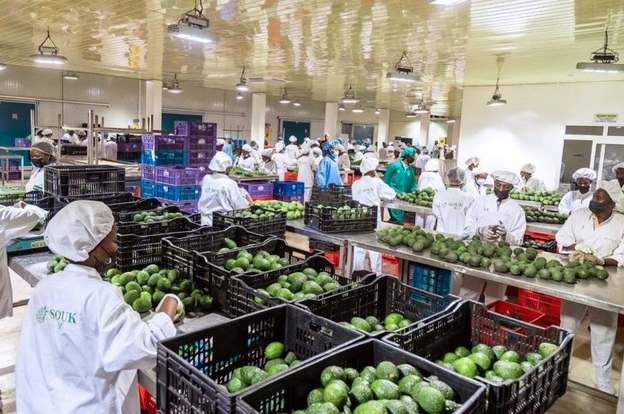
Souk Farms spearheaded this process by becoming the first Rwandan company to export avocados to Europe by sea. While the company shipped just two containers in the 2024-2025 season, it reached thirteen shipments last season, primarily composed of Hass avocados. The company also projects between 35 and 50 containers for the next season. Rasheed emphasized that the logistics partnership with Maersk significantly reduced transit times to the port of Mombasa, improving the competitiveness of a landlocked country.
The executive explained that one of the main advantages of Rwandan avocados is their arrival time in the European market. Shipments reach the Netherlands after 33 to 36 days in transit, maintaining their ripening potential, which provides greater flexibility for importers and retail chains. Furthermore, the maritime shipping model helped mitigate some of the impact of the conflict in the Middle East, which severely affected exporters dependent on air freight to Gulf markets.
Looking ahead to the coming seasons, Rwanda is focused on strengthening its presence in Europe and expanding into India and Asia. According to Rasheed, the country has significant climatic advantages compared to other African origins, especially in the face of extreme weather events associated with El Niño. Currently, Rwanda plants more than 800,000 trees per year and projects exports exceeding 40,000 tons by 2029, supported by new production investments and phytosanitary agreements that could open up significant commercial opportunities in emerging markets.
Source: freshplaza.es