Mexico sets standards for Protected Geographical Indication (PGI) Avocado from the Michoacán Strip
The country formalizes quality, traceability and origin standards for Hass avocados, strengthening its global positioning.
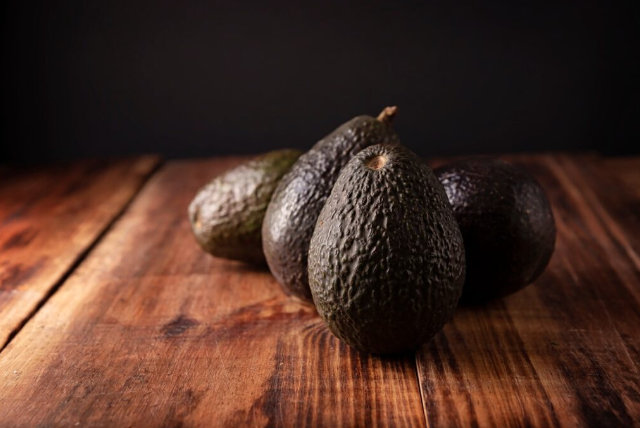
Mexico has taken a step forward in consolidating the Protected Geographical Indication (PGI) “Avocado Franja Michoacán” after officially defining its characteristics, production processes, and territorial boundaries. The resolution, published in the Official Gazette of the Federation and supported by the Mexican Institute of Industrial Property , establishes that the protected product corresponds primarily to Hass avocados grown in the Avocado Belt of Michoacán, highlighting attributes such as its oval shape, rough skin, and creamy pulp.
The regulations incorporate detailed protocols for production and harvesting, with an emphasis on preserving fruit quality. Among the measures, harvesting is required during cooler hours, mechanical damage must be avoided, and fallen fruit must be discarded. The process includes shaded handling, controlled transport, and standardized practices aimed at reducing post-harvest physiological disorders, thus ensuring product consistency in the markets.
During the packing stage, the avocados undergo pre-cooling to remove field heat and slow their ripening. They are then sorted by size, labeled, and packaged in various formats, from retail mesh bags to corrugated cardboard boxes suitable for export. These procedures enhance traceability and allow the company to meet the requirements of demanding markets such as the United States, Europe, Canada, and China.
The protected area encompasses 31 municipalities in Michoacán, including key production centers such as Uruapan, Tancítaro, Tacámbaro, and Zitácuaro. With this Protected Geographical Indication (PGI), Mexico seeks to strengthen the differentiation of its avocados in international trade, safeguard their link to their origin, and consolidate standards that support their competitiveness in an increasingly demanding industry.
Source: portalfruticola.com