Tropical Millenium strengthens its environmental strategy with Baika Sostenible and consolidates its circular economy model in Spain
Tropical Millenium (TM), a Baika subsidiary in Spain specializing in tropical fruit, has formalized its commitment to sustainability by integrating it into Baika's global Sustainable strategy. This alliance has led to the implementation of concrete measures in its logistics and operational processes, with quantifiable results in reducing waste, emissions, and food waste.
At the heart of this transformation is the adoption of IFCO brand reusable transport containers (RTCs), a decision that reflects Baika's eco-packaging approach in its international operations. These durable, reusable containers drastically reduce the use of disposable materials such as cardboard, paper, stretch film, and strapping, while also optimizing logistics and ensuring product integrity during transport.
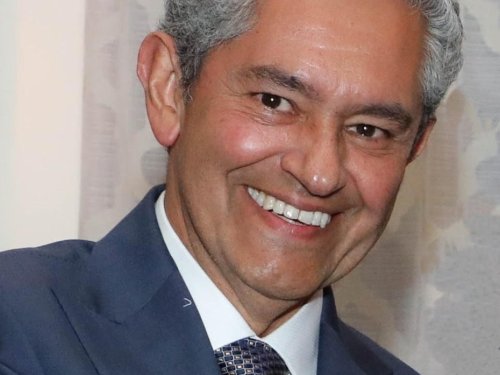
Damián Claude André Perucho, Deputy Commercial Director of Tropical Millenium, stated that this alignment represents a concrete commitment to the circular economy. “For Tropical Millenium, aligning with Baika Sustainable's strategy represents an active commitment to the circular economy and sustainability throughout the entire value chain,” he affirmed. “This shared vision with Baika drives us to build a regenerative, measurable model with a positive environmental impact both in Spain and in other regions where the group operates.”
The environmental results achieved in 2024 reflect the tangible impact of this strategy. According to the IFCO certificate, TM achieved a reduction of 52,501 kilograms of CO₂ emissions, equivalent to taking 38 cars off the road for a year. This is in addition to saving 5,000 cubic meters of water, representing approximately 125,002 five-minute showers, and reducing energy consumption by 667 GJ, equivalent to using 5,300 light bulbs for a year.
The impact was also evident in waste control: 122,835 kilograms of solid waste and 5,300 kilograms of damaged fruit were avoided. This latter figure translates to preventing the loss of an average of 8,833 meals, reinforcing the goal of efficiency and food responsibility shared by TM and Baika.
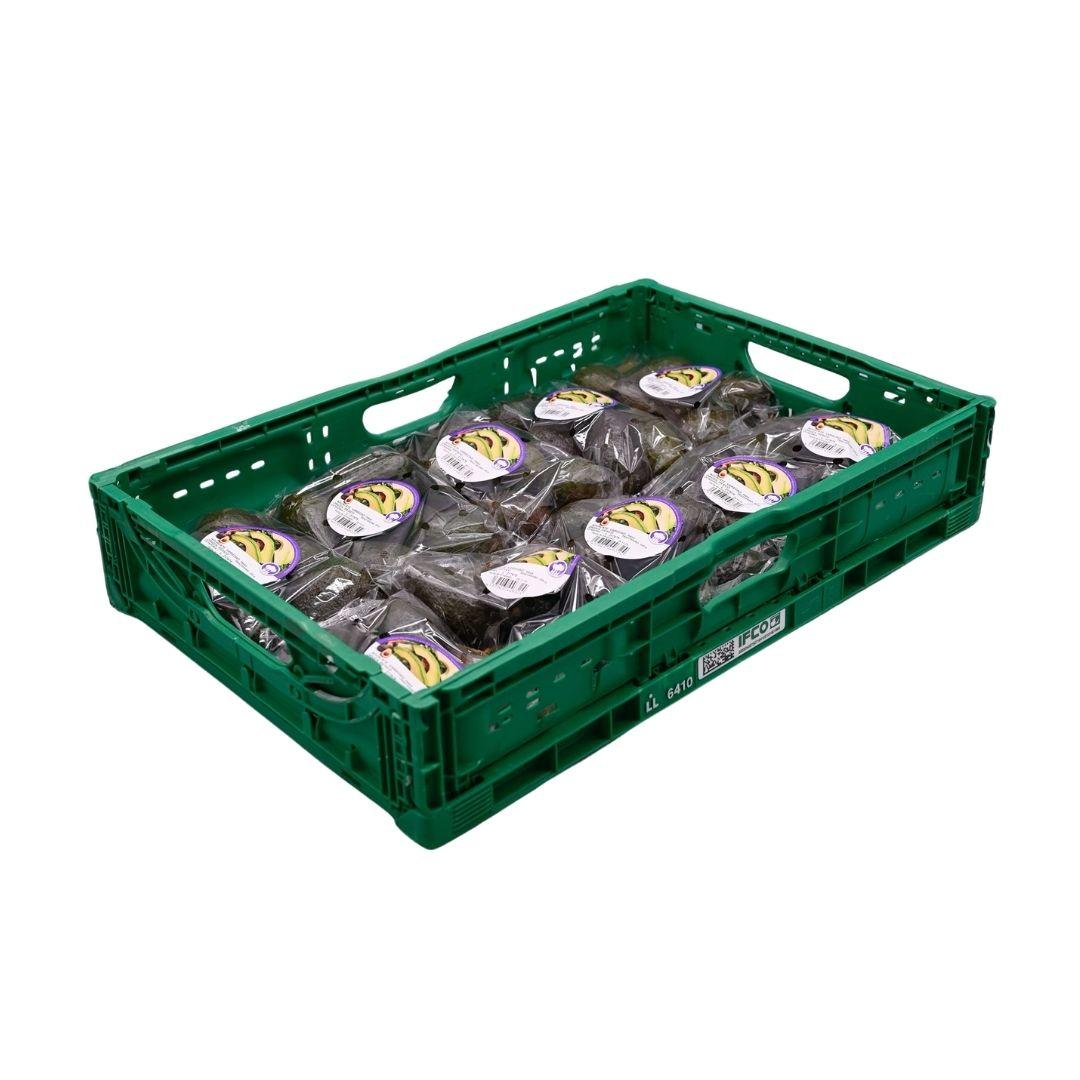
But the benefits aren't limited to the environmental sphere. According to Damián Perucho, the implementation of the ERTs has driven a profound transformation within the company. “It has generated a positive impact both operationally and culturally. Internally, it has optimized logistics processes and improved efficiency in product handling and transportation,” he explained. “From an organizational standpoint, it has strengthened a cross-cutting culture of sustainability, where every area—from production to distribution—is actively involved in reducing environmental impact.”
Damián Perucho added that this transformation has also brought positive side effects, such as a reduction in the use of local garbage removal services and less generation of secondary packaging materials.
TM's experience is part of a global strategy promoted by Baika in countries like Chile and Mexico, where eco-packaging models and actions to measure and reduce the carbon footprint are also being implemented. “Our sustainability strategy has a global reach across all of Baika's operations,” said Damián Perucho. “Having initiatives in every country under the eco-packaging pillar certainly points us in the right direction. These initiatives are tangible and are central to our daily work in the fruit distribution stage.”
With a focus on the medium term, TM has set new challenges within the framework of Baika Sostenible. Among these is the goal of maintaining current distribution levels with IFCO boxes and advancing the development of eco-labeling systems, an area they consider key to continued innovation. “We are closely monitoring the development of this industry, which is constantly innovating,” noted the deputy commercial director.
The Tropical Millenium case demonstrates how it's possible to integrate sustainable practices into daily operations without compromising efficiency. Through strategic decisions, technical support, and an organizational culture focused on continuous improvement, the company has established itself as a key player within a global network seeking to transform the fruit supply chain into a regenerative and responsible system.