Matancilla Dam: Water security and sustainability for the agricultural future of Alicura and Ucuquer
Amidst the dynamic agricultural development of the Alicura and Huertos de Ucuquer fields, the Matancilla reservoir stands as a key piece of infrastructure for securing the most critical resource in times of climate change: water. With a capacity of nearly 4 million cubic meters, this project was designed to guarantee a reliable water source for future developments in the area.
That initial vision has taken definitive shape in the present, just as Baika's operations have reached a significant scale with nearly 2,000 hectares planted. In this context, the reservoir not only provides irrigation security but also incorporates principles of energy efficiency, conservation of the natural environment, and operational flexibility.
From an operational standpoint, the reservoir allows water to be stored during periods of higher availability for later use during the months of greatest demand. This planning principle, which considers both natural runoff and rainwater harvesting, is key to reducing direct dependence on sources like the Rapel River.
Miguel Irarrázaval, manager of Hydraulic Projects at Baika, emphasizes that “greater use of rainwater and natural runoff, irrigation security, operational flexibility between places of origin and use of water” are some of the immediate benefits of the dam.
However, he clarifies that the design should not be considered exclusively based on rainfall: “It is not accurate to say that the reservoir design is 'based on rainwater'. The water that fills the reservoir will come from rainfall, but also from pumping from the river during off-peak hours.”
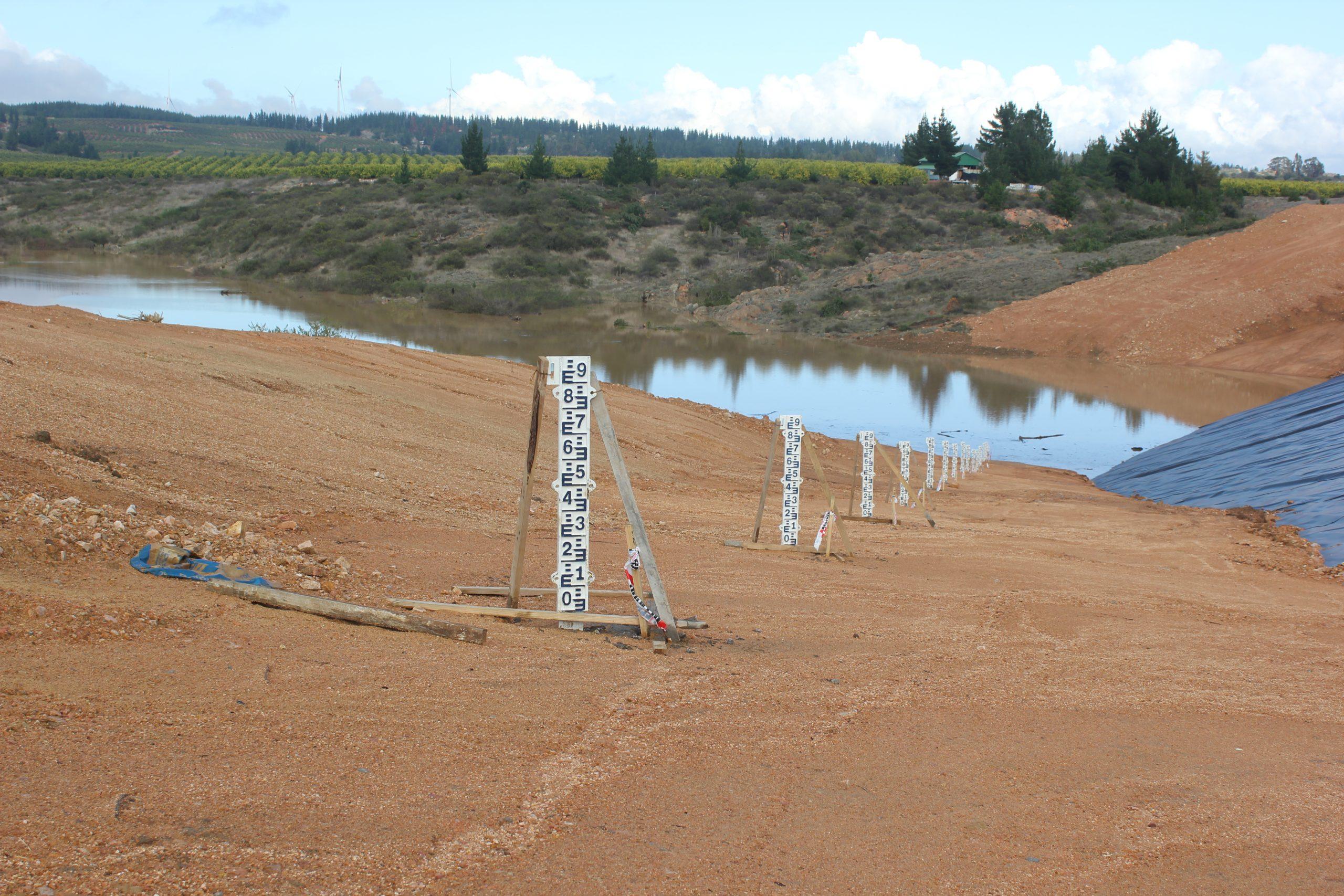
This efficiency criterion is also reflected in the system's structural design. Daniel Benavides, Corporate Head of Sustainability and HSE at Baika, explains that “having a water reservoir like the Matancilla dam allows us to make better use of the available water for drip irrigation and also of the energy required. Its design took into account the optimal use of gravity to move water flows to the various irrigation points.”
This approach reduces the need for mechanical pumping and directly contributes to more sustainable water management. “This generates significant long-term benefits in terms of agricultural sustainability, as it permanently reduces the carbon footprint of irrigation processes during periods of the year when water availability in the form of rain and dew is lower,” adds Benavides.
In addition to its contribution to efficiency, the reservoir plays a fundamental role in protecting crops during periods of high climate stress. “It allows us to better care for our fruit trees by having water available during periods of high heat stress, ultimately resulting in higher quality fruit,” says the head of sustainability. He adds another point of high strategic value: “And of course, it also provides support to the authorities in case of emergencies such as forest fires.”
Conservation of flora and fauna
The Matancilla dam does not only respond to agricultural objectives: its implementation incorporates an environmental dimension that will contribute to the ecological balance of the area.
Baika has conducted monitoring to assess the expected wildlife in the new body of water. According to Irarrázaval, “it should be a good landing, resting, and feeding ground for migratory birds. We should see at least the same birds found in other bodies of water in the area: herons, ducks, coots, black-necked stilts, coscoroba swans, geese, and southern lapwings. It is also likely to be a good habitat for coypus.”
Regarding the environmental impact of the project, Irarrázaval indicates that “the project had an extensive environmental assessment and measures were taken to preserve the flora and fauna in the area, therefore, the impact of the dam will not be significant.”
Although the reservoir isn't visible from the entire field—since the surrounding hills and mountains partially obscure it—its scenic value is undeniable. "It's always nice to have a body of water in view, whether it's a river, a reservoir, or a lake," he remarks.
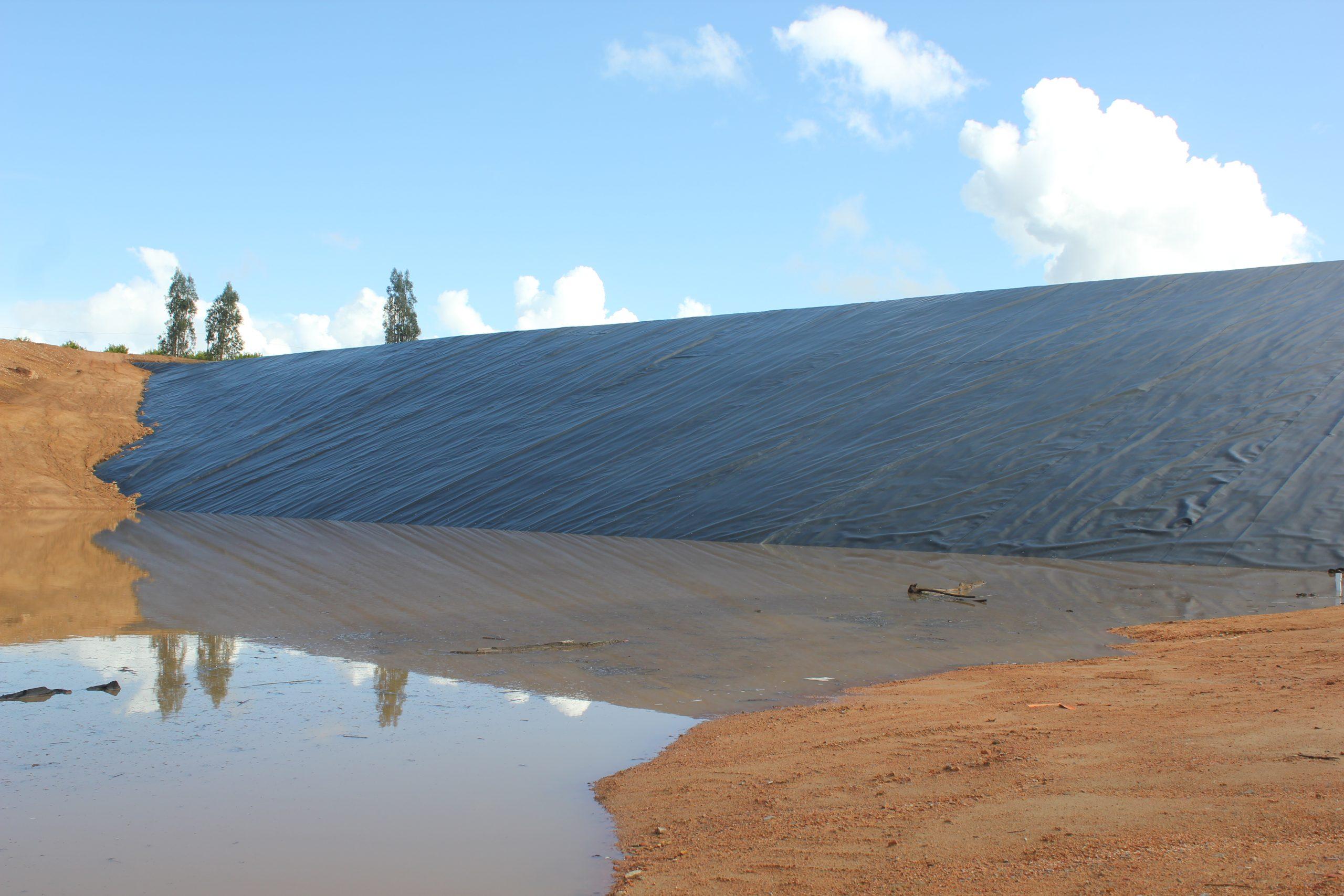
The Matancilla reservoir is also an example of how agricultural projects can evolve over time and adapt to new priorities. “The original investors’ project had a real estate component, and the reservoir was an important part of that. Over time, that aspect was abandoned, and the reservoir came to be considered part of the water supply infrastructure,” Irarrázaval explains.
In its current operation, the reservoir will be filled during the rainy months —winter and spring, preferably until October— and its water will be used progressively until March, thus accompanying the most demanding summer period of the agricultural calendar.
But beyond its technical or productive functions, this project represents a concrete commitment to modern, efficient agriculture that is mindful of its environment. The implementation of the Matancilla dam reinforces Baika's commitment to sustainability and the responsible management of natural resources, contributing not only to agricultural productivity but also to the environmental balance of the region.