Technology, logistics and quality: this is how Baika Fruit is improving the post-harvest handling of avocados in Colombia
In recent years, Colombian avocados have gained international recognition not only for their flavor and quality, but also for the technical and logistical efforts that ensure their excellent condition upon arrival in global markets. In this context, the post-harvest stage has become a critical success factor. To learn more about the advancements in this area, we spoke with Hernán Alday, Agricultural Deputy Manager of Baika Fruit Colombia, one of the country's leading avocado exporters.
The post-harvest stage begins immediately after the fruit is picked. According to Hernán Alday, there are two fundamental processes that make the difference in the final quality of the avocado: fungal control and rapid cooling.
“The fruit is immersed in a Thiabendazole (TBZ) solution for fungal control, and then the packaged fruit is rapidly cooled to temperatures of 5 to 6°C,” Alday explained.
These procedures allow extending the shelf life of the avocado and minimizing damage that may occur during transport.
Technological innovation : precise nutrition and biological control
Baika Colombia has focused on innovation in both crop management and post-harvest handling. One of the main advances lies in fruit nutrition during development. “We are improving the timely delivery of calcium to the fruit, using drones and a 'fertiduct' that allows us to fertilize quickly during the required period,” Alday commented. 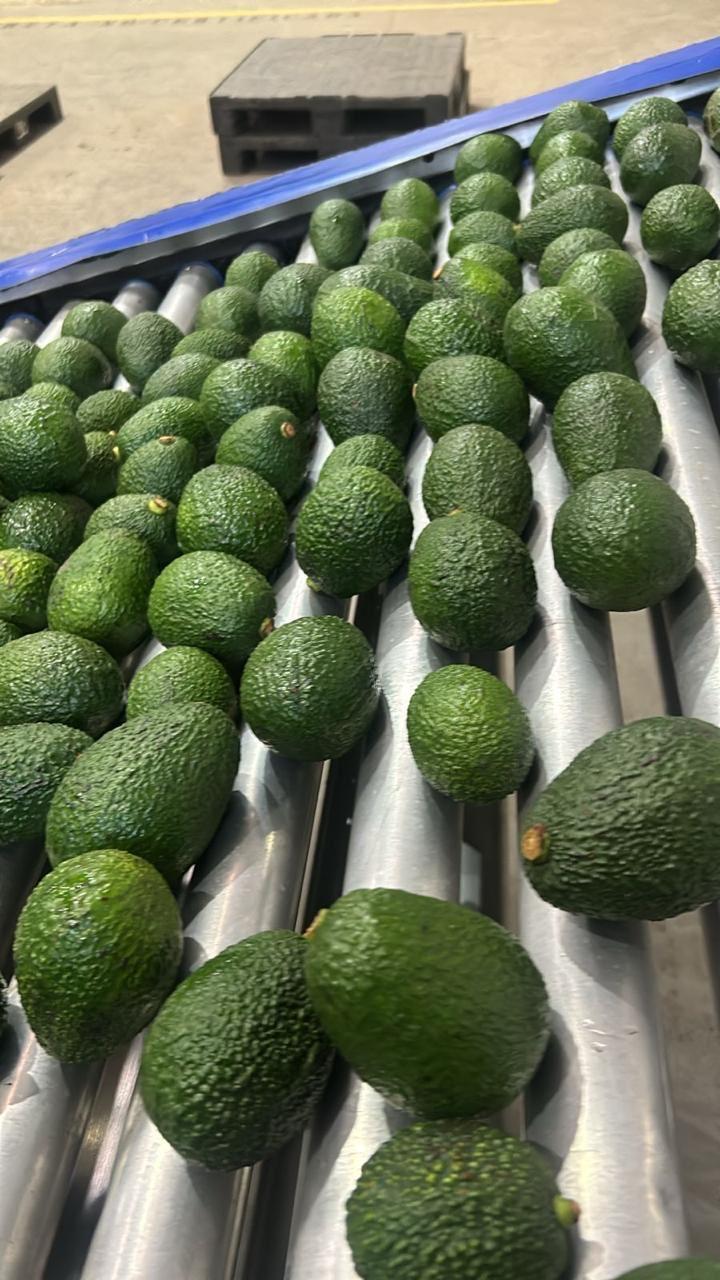
In addition, the company has taken important steps in biological control, working on the production of entomopathogenic fungi to attack insect vectors that spread fungal diseases in orchards.
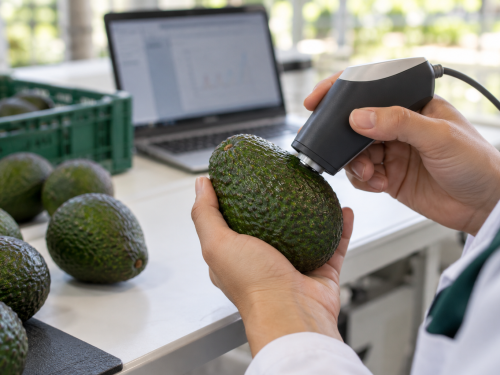
Post-harvest handling directly influences the appearance of the avocado when it reaches the consumer. A critical aspect is the percentage of dry matter (DM).
“Fruits with low dry matter content will present more problems upon arrival: they are more susceptible to cold damage, have gray pulp and dark spots on the skin, and ripen with a reddish color,” the agricultural sub-manager highlighted.
One of the main challenges in Colombia remains infrastructure. “We have long journeys of at least eight hours on unsuitable roads, in high temperatures, and with trucks covered by dark tarpaulins,” Alday commented. This is compounded by a lack of pre-cooling facilities and deficiencies in port infrastructure, which disrupts the cold chain and affects the quality of exported fruit.
However, the industry has begun to organize itself. With the support of organizations like CORPOHASS, joint strategies are being developed to improve the entire production chain.
Transit times from Colombia are compatible with the shelf life of avocados, which can reach up to 45 days. According to Alday, “transit times vary between 3 to 5 days for the United States, 7 days for Latin America, and 11 to 14 days for Europe, which is fine.”
To ensure freshness, fruits are harvested "at maturity," that is, with the appropriate level of dry matter, and a controlled atmosphere is used during transport, which reduces stress on the fruit and preserves its quality.
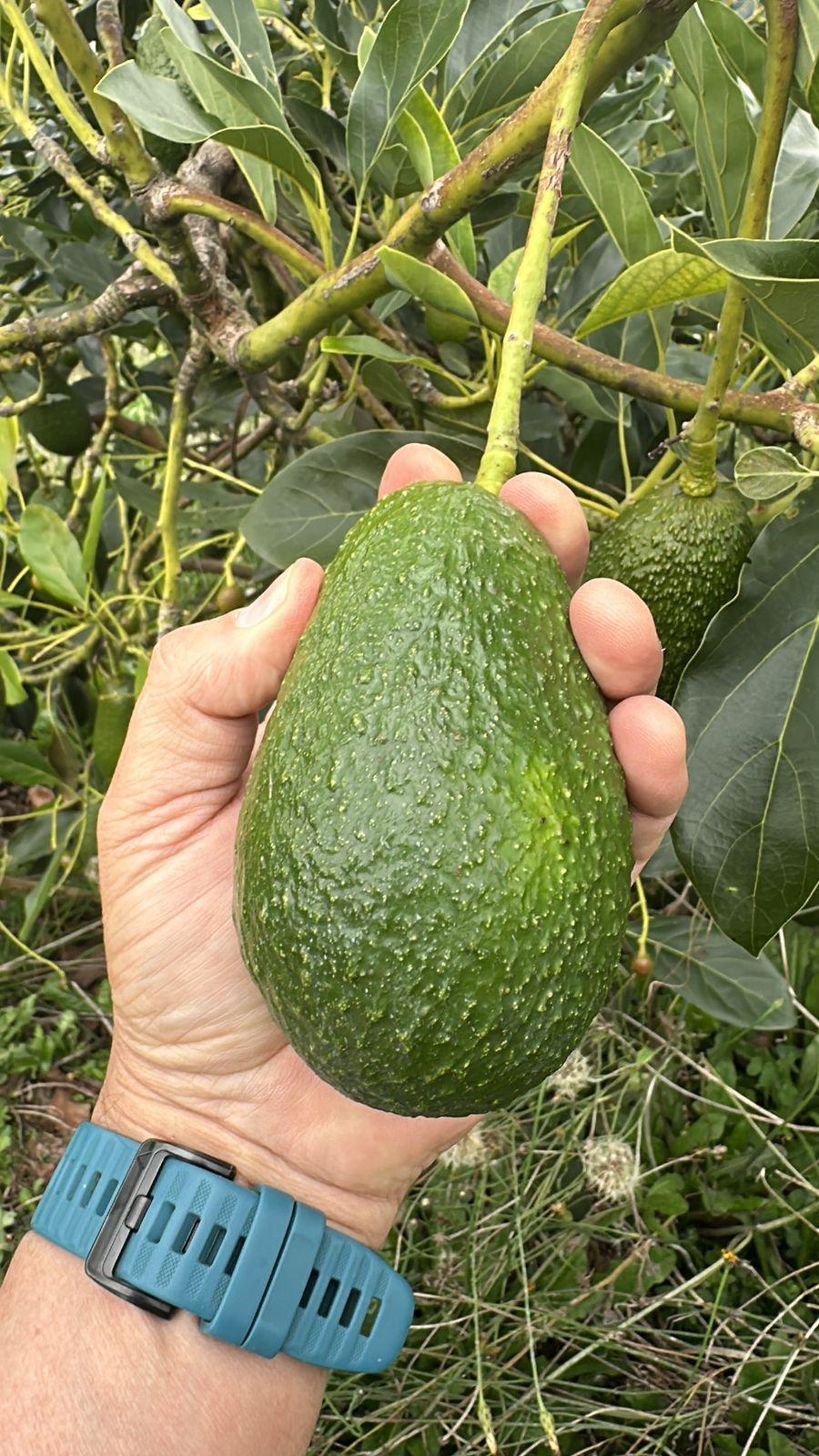
The perception of Colombian avocados has improved significantly in international markets. “Experience has been gained in resolving many of the problems that affect them, resulting in better shipments and greater acceptance by customers,” Alday stated.
Looking ahead, initiatives are underway to mechanize harvesting on terrain with challenging topography, where significant manual labor is currently required. Furthermore, Baika Fruit and other companies in the sector continue working to consolidate a more efficient and sustainable post-harvest system adapted to the demands of the global market.