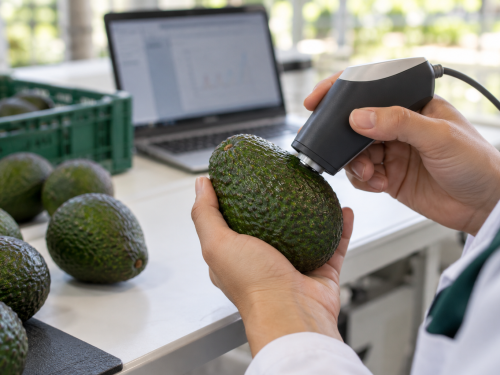
What conclusions did the main avocado markets reach in 2024?
Sebastián de la Cuadra, CEO of Avobook, reviews what happened in the United States, Europe, and Asia, where several pioneering countries took advantage of the opportunities left by the industry giants.
“2024 has taught us that nothing is set in stone in this business. Every factor, from the weather to logistical negotiations, can change the landscape from one month to the next,” says Sebastián de la Cuadra, CEO of Avobook, who analyzed how this year's exports unfolded.
De la Cuadra reviews what happened both in the markets and at the origins, noting that the most relevant impacts originated in the two main players in avocado production: Mexico, with its undeniable influence on US imports; and Peru, which marks the development of the business in Europe and Asia.
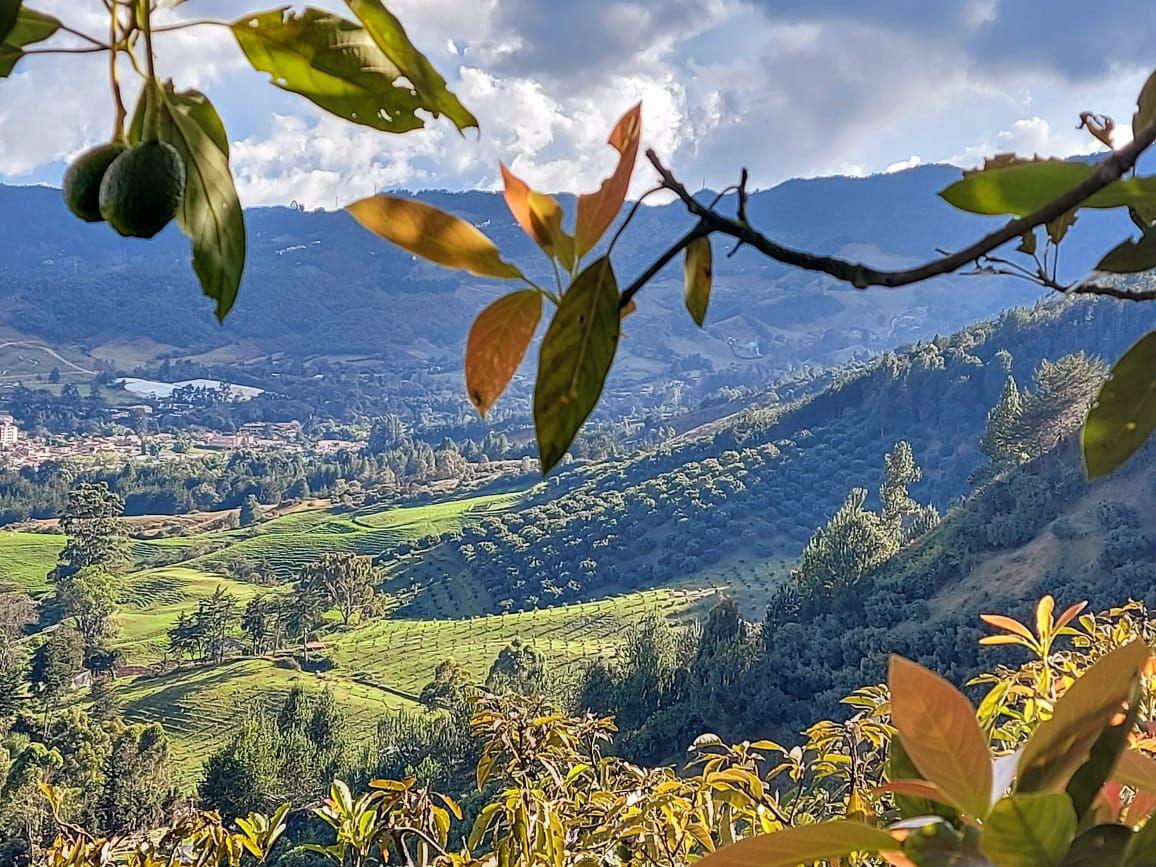
Europe: a stable year thanks to complementary origins to Peru
One of the factors that influenced the European market this year was the decline in avocado shipments from Peru, the continent's main supplier. However, the reduction was not as significant as anticipated, and since it was a known phenomenon, it contributed to market stability.
“Generally, when Peru entered the market, prices would plummet, and when it left, prices would soar, because it left a huge gap. Its behavior was characterized by high volume in a short period. But this year, all participants knew that Peru was bringing less fruit. Importers were aware of this in time and, faced with the fear of running out of Peruvian fruit, secured their supply. This resulted in much better prices and a better return for Peruvians. We didn't experience the significant price drops and increases of the previous two years, making this market relatively stable,” he explains.
According to Sebastián de la Cuadra, another element that helped in that general stability was the compensation of the deficits addressed by other countries, which increased their supply, such as Chile, Colombia, Morocco and the local production of Spain.
“Peru’s exports were very well covered by other sources. So there wasn’t the significant impact that usually occurs when Peruvian fruit leaves Europe. In other words, we had a slight decrease in Peru’s exports and more growth than usual from other countries. Among those that increased the most were Chile and Colombia. In addition, Morocco grew significantly this year and will continue on that path. And Spain’s production wasn’t low. So these factors helped to offset the losses, along with Israel and producers in Africa,” explains the CEO of Avobook.
Morocco is becoming a particularly important player in Europe because it has demonstrated an export capacity that is relevant to importers. A key factor is its geographical proximity, which allows for shorter transit times and ensures the fruit arrives in good condition for handling and subsequent distribution to end consumers.
“Morocco could almost be considered a European producer,” says de la Cuadra, who explained that “the price stability we saw this year in Europe is an example of how diversifying origins can benefit the entire chain.”
In fact, 2024 functioned like a relay race, with a fairly harmonious replacement between one origin and another, which allowed for a more balanced distribution of supply, avoiding the extreme price fluctuations that have occurred in previous years.
United States: a market with Colombia taking advantage of opportunities
The US market once again saw Mexico as a major player, which is not entirely new. However, 2024 was marked by a significant drop in export volumes compared to previous years, due to weather problems that impacted harvests and resulted in smaller fruit sizes.
What was interesting was that this deficit was exploited by other countries, particularly Colombia and Peru, which managed to increase their presence during the months of lower Mexican activity, demonstrating that they are prepared to be an alternative in a very demanding market.
“This year, the United States saw virtually no increase in fruit volume, mainly due to the decline in Mexico, which fell considerably compared to last year. In the middle of the year, when Mexico's production most noticeably decreased, the demand was met very well by California, Peru, and Colombia. Colombia, in particular, experienced significant growth in the United States,” explains Sebastián de la Cuadra.
Where there were impacts was in the price, because -comments the CEO of Avobook- "what happens in Mexico has a huge impact on the markets."
“Mexican participation is too important, and there is much speculation that if there is less volume, the price will immediately rise,” he explains, noting that this explains why the United States has experienced an average increase in prices, due to the lower total volume available.
The decrease in large sizes in Mexican exports also produced a more noticeable difference in the values achieved between the different sizes, which benefited those producers who were able to meet the demand for larger fruits.
Asia: fewer imports, but no price collapse
Despite the steady growth in Asian demand, especially from China, that continent faced a reduction in avocado import volumes during 2024. This was largely due to a strategy by Peru, which opted to send less fruit, having to make more cautious decisions about its fruit distribution in a scenario of lower production.
Factors such as the logistical complexity of reaching those markets influenced the decisions of Asia's main avocado supplier, which is followed by Chile, in the year's rankings.
“For these reasons, there wasn’t much change in Asian markets this year. Overall, there was less import volume, and that’s clearly influenced by decisions about whether or not to ship a lot of fruit from Peru. That marked a difference compared to last year, when there was an increase,” explains Sebastián de la Cuadra.
This situation also led to a more stable price, "without a collapse."
The situation could change from 2025 onwards, thanks to the opening of the new port of Chancay, in Peru, which represents a strategic opportunity for both this country and other South American producers, who could see an opportunity to export their fruit from that country, such as Chile.