The semi-arid Mediterranean climate favors the production of avocados and citrus fruits.
Campo San Ignacio: climate and management that sustain avocado and citrus production
With 70 hectares of avocado, mandarin and orange trees, Campo San Ignacio takes advantage of its semi-arid Mediterranean climate to achieve stable production with efficient water management.
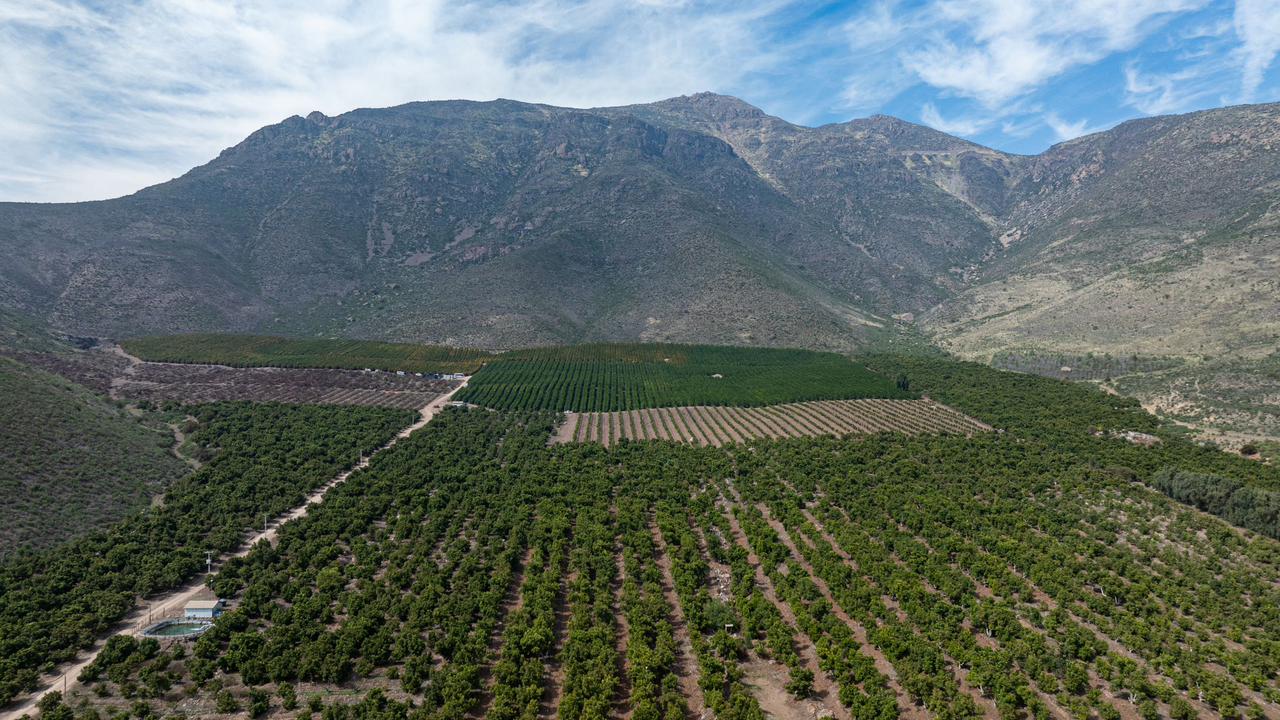
In the Bartolillo area, about 25 kilometers from Cabildo, Campo San Ignacio has established itself as one of the key production units within Baika's agricultural operations. The property comprises approximately 70 hectares, planted with avocado, mandarin, and orange trees, combining favorable climatic conditions with agronomic management tailored to the area's water resources, thus ensuring stable and competitive production.
The coexistence of avocado and citrus trees on the same property is not accidental. Product diversification allows for reduced dependence on a single crop and minimizes both production and commercial risks. In this context, San Ignacio contributes a significant area to Baika's agricultural strategy, helping to ensure fruit supply and operational stability.
A semi-arid Mediterranean climate that sets the rhythm of the countryside
The farm is located in an area characterized by a semi-arid Mediterranean climate, with long, hot, and dry summers, and mild winters with limited rainfall. In 2025, for example, accumulated rainfall reached only 130.5 millimeters, reflecting the low rainfall typical of the region.
These conditions directly influence agricultural management. While winters are mostly dry, milder temperatures and the fields' location at higher elevations help reduce the risk of frost. Only in some lower-lying areas—where the cold tends to accumulate—might isolated frost events occur during the coldest periods of the year.
The low risk of frost represents a significant advantage for production management. It reduces the likelihood of damage to leaves, shoots, buds, and fruit on the tree, and allows for more informed orchard management planning in the face of extreme weather events. These conditions are part of the agronomic management practices implemented on the property, explains Magdalena Beyer, head of agricultural production at Baika, who is responsible for the production management of these orchards.
The lack of rainfall necessitates careful irrigation management throughout the season. As spring progresses and the hot, dry conditions of summer intensify, evaporative demand increases significantly, requiring precise water planning.
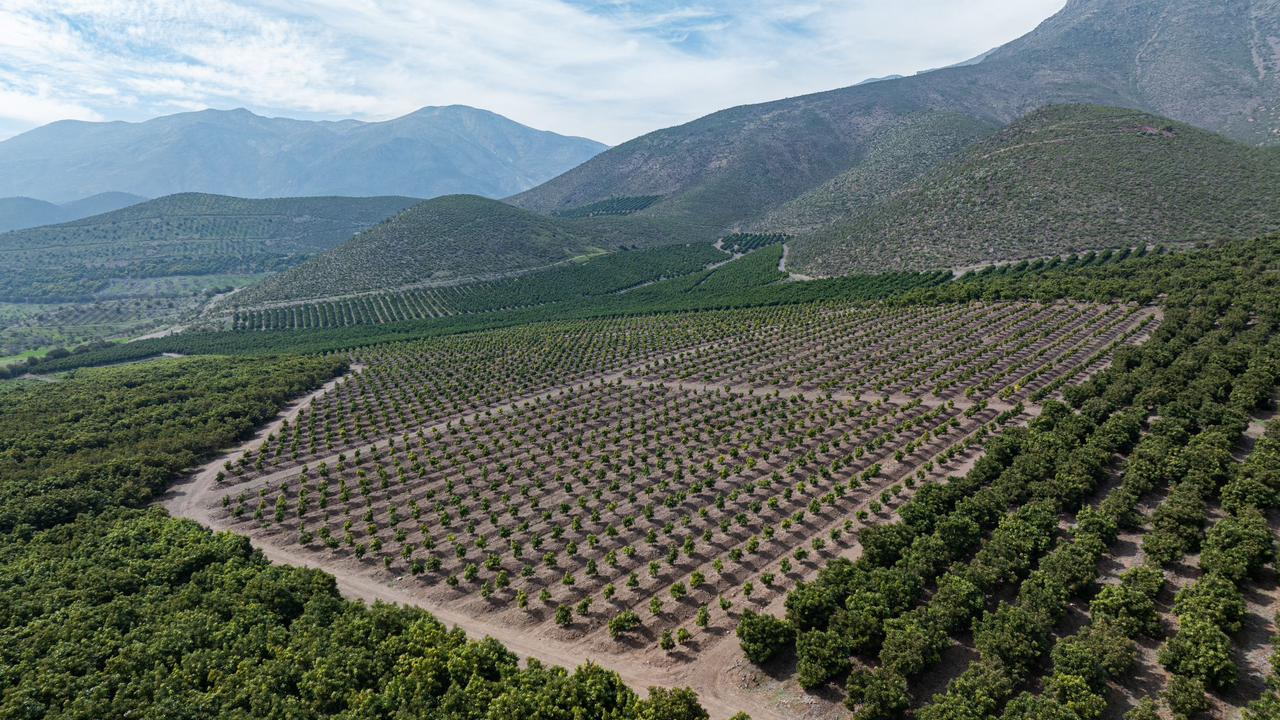
In the case of avocado trees, the combination of high temperatures and water restrictions can generate water stress at sensitive times in the production cycle, particularly during flowering and fruit set. During these stages, a water deficit can increase fruit abscission.
To prevent this, management focuses on maintaining adequate soil moisture levels through light and frequent irrigation. This strategy aims to keep the surface layer of the soil moist, where much of the avocado tree's active root system is concentrated, thus promoting better water absorption.
In citrus groves, meanwhile, a cycled irrigation strategy is implemented. This practice consists of applying approximately half of the total irrigation time, suspending it for a few hours—while other areas of the field are irrigated—and then completing the irrigation with the remaining time. This optimizes the use of available water in a context of water scarcity.
Likewise, the high temperatures that prevail during spring and summer also have positive effects on production. These conditions favor the accumulation of growing degree days, a factor that contributes to the proper development of the fruit and the achievement of competitive sizes.
Although the climate demands precise agronomic decisions and efficient water management, the combination of high temperatures, low relative humidity, and low frost risk creates a favorable environment for the development of avocado and citrus trees. Furthermore, these conditions help reduce disease pressure, resulting in high-quality fruit and greater production stability between seasons.
The production of Campo San Ignacio is sustained by this balance between climate, management and planning, a property where natural conditions and agronomic management combine to maintain an efficient operation adapted to the particularities of the territory.

The productive management of San Ignacio is in charge of the field team, together with Magdalena Beyer, head of agricultural production at Baika, a young agronomist who is part of a new generation of professionals who today promote the technical development and sustainable management of fruit farming in the country.