Sustainable soil management: the foundation of sustainable avocado production at BAIKA Fruits
In a context where agricultural sustainability is becoming imperative to address the challenges of climate change and food security, responsible soil management is taking on a leading role. BAIKA Fruits, a company committed to regenerative agriculture, has developed a technical and sustainable approach to avocado production, based on respect for and a deep understanding of the soil as a vital resource.
Juan Antonio Delpero, Production Manager at San José Farms—BAIKA Fruits' production unit—explains that preserving and protecting the soil is part of our connection to it, noting that "recovering one centimeter of soil can take thousands of years." This statement is especially relevant for a crop like avocados, which are highly dependent on specific soil conditions.
Over the past two decades, the physical quality of soils has been the subject of intense discussion. From an agricultural perspective, a soil of good physical quality must be strong enough to maintain a suitable structure that allows for crop development, yet weak enough not to restrict root growth or the proliferation of flora and fauna. This balance must also allow for adequate transmission and storage of fluids, ensuring correct proportions of water, air, and soluble elements. This harmony in the liquid and gaseous phases of the soil is key to maximizing crop yields and minimizing environmental degradation.
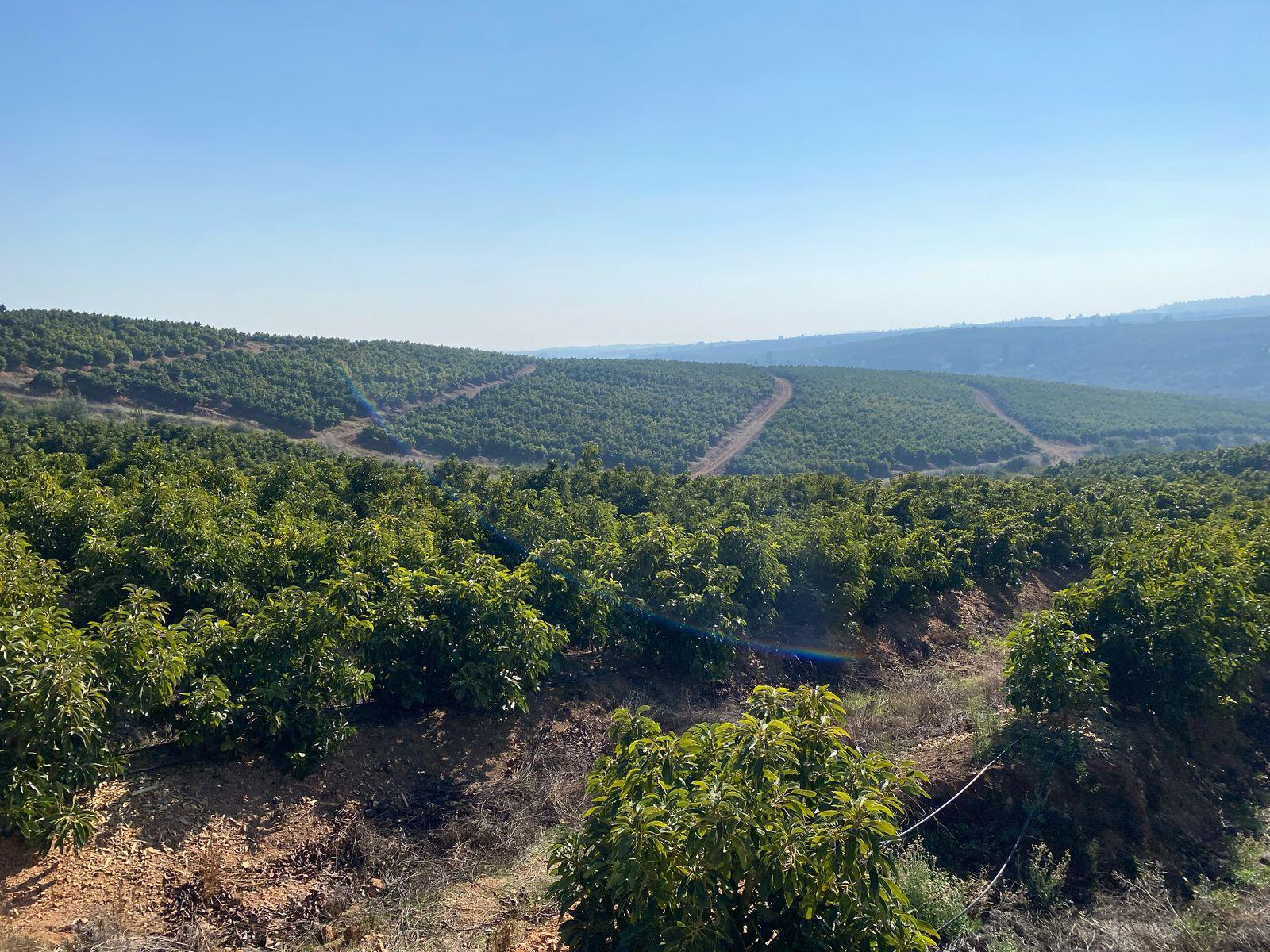
Delpero emphasizes that, while many climatic factors are beyond the producer's control, most soil and agronomic management factors can be managed. The real challenge lies in identifying the limiting factors for yield and minimizing the influence of those that can be addressed. In a country like Chile, where the avocado industry has experienced rapid growth, the goal of achieving highly productive orchards must contend with the physical limitations of the soil, particularly regarding aeration.
Soil air concentration is essential for avocado productivity, as it is directly related to the oxygen available for root respiration. A lack of oxygen causes physiological disorders and hormonal imbalances in the plant, resulting in decreased productivity. In BAIKA's orchards, primarily established on loam soils, this decline in production begins to be observed, on average, from the seventh year after orchard establishment. In silty loam or clay loam soils, the symptoms appear even earlier, around the fifth year. This phenomenon can be due to multiple simultaneous causes, such as soil compaction resulting from errors in land preparation before planting and/or in established crops due to agronomic practices that do not include soil management and conservation, as well as poor irrigation practices, low soil organic matter content, rainfall and its effect on compaction, and the continuous movement of agricultural machinery.
Furthermore, these unfavorable conditions create an environment conducive to soilborne pathogens, especially wood-decay fungi and Phytophthora cinnamomi , common diseases in declining avocado orchards. Delpero emphasizes that these physical limitations particularly affect avocados because this species evolved in Andisol soils, formed from volcanic ash. These soils have optimal physical properties for plant development, such as high macroporosity (around 46%), abundant organic matter, and an acidic pH between 5.0 and 6.0. Therefore, avocado roots are adapted to conditions of high oxygen availability. When aeration levels drop to 20% or less, the roots begin to suffer from asphyxiation, while their optimal development occurs with soil air levels close to 30%, a much higher requirement than that of other fruit species, which require only about 15% macroporosity.
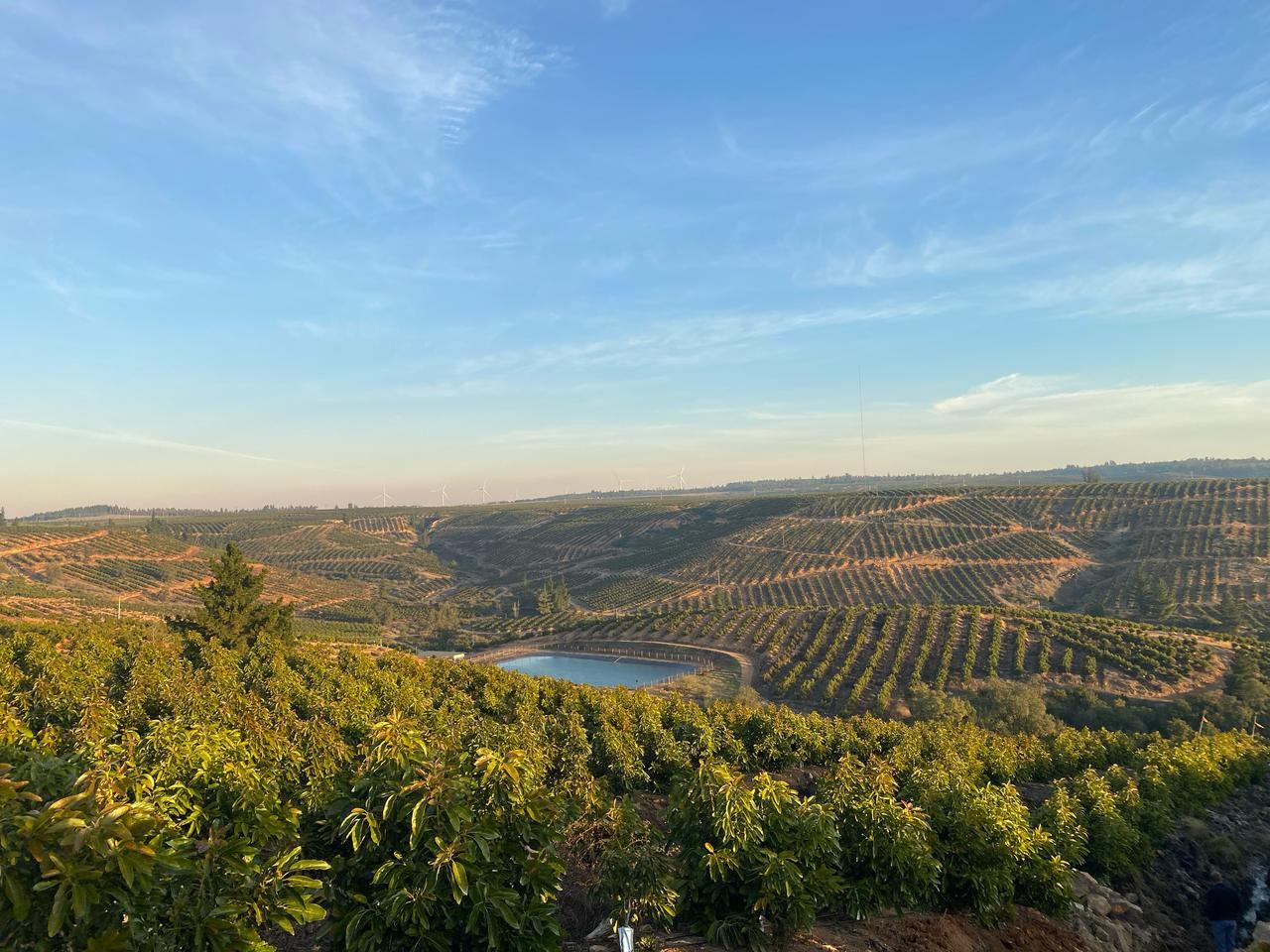
Soil compaction depends on variables such as texture, structure, and moisture content. Drier soils offer greater mechanical resistance to penetration, and fine-textured soils, although possessing greater total porosity, are predominantly composed of micropores that hinder aeration. Added to this are problems arising from poor irrigation management, such as excessive moisture, which not only causes root asphyxiation but also alters the concentration of gases like CO₂, O₂, and ethylene in the soil, directly affecting root physiology.
BAIKA's experience has demonstrated that it is possible to overcome these limitations through a comprehensive approach that combines productivity and soil conservation. Part of this strategy includes the implementation of post-planting subsoiling, a practice aimed at breaking up compacted layers in established orchards, improving pore size distribution, increasing macroporosity, facilitating gas diffusion, and optimizing soil infiltration capacity. Simultaneously, irrigation programs have been developed that maintain the balance between water and oxygen, supported by moisture monitoring and control strategies, with particular attention to the calibration and maintenance of drip irrigation systems.
Another course of action is the incorporation of organic amendments such as compost and humic acids, in addition to the practice of mulching with wood chips—techniques that have shown positive effects on the soil's physical structure and its capacity to support active microbiology. These strategies, Delpero affirms, are within reach of all farmers, and their implementation begins with a thorough understanding of the soil and climate conditions required by avocados, taking into account their origin and adaptive evolution.
BAIKA Fruits' approach represents an agriculture that seeks to integrate productivity with conservation, where the soil is not just a means of production, but a living heritage that is protected, understood, and valued. In this way, sustainability ceases to be an aspiration and becomes a concrete practice, based on agronomic science, knowledge of the environment, and a commitment to future generations.