Baika: Biostimulation as a pillar of a more resilient agriculture
modern. In recent years, its use has multiplied globally, driving a paradigm shift in how crops are enhanced without relying exclusively on fertilizers or pesticides. Chile has been no exception, and companies like Baika have taken an active role in the search for more efficient and sustainable practices.
“In the last five years there has been a real boom in biostimulants, and our country has not been immune to this trend,” explains Juan Antonio Delpero Barrios, Production Manager of San José Farms, reflecting on the evolution of these tools within Baika's agricultural strategy.
Delpero acknowledges that the term “biostimulant” is often used too broadly, leading to confusion. Strictly speaking, these are substances or microorganisms that improve a plant's ability to absorb nutrients, tolerate stress, and express its full productive potential, without directly providing nutrients. Therefore, he cautions, “they are not fertilizers or pesticides, but rather allies that act upon plant physiology.”
The expert emphasizes that the value of biostimulation lies in its integration within a coherent agronomic strategy, not as an isolated solution. “At Baika, we follow the ' Back to basics' principle . Before investing in biostimulation, we ensure a quality plant, understand its physiological properties, learn how to irrigate correctly, and establish balanced nutrition. Only then does it make sense to apply biostimulants,” he maintains.
This approach seeks to maximize return on investment and, above all, ensure that each application has a sound technical basis. “Biostimulation is not about using it for the sake of using it,” Delpero adds. “It requires knowledge, timing, and scientific rigor.”
In today's market, the most common biostimulants include seaweed extracts, hydrolyzed proteins, and humic or fulvic acids. However, the sector is moving toward "precision biostimulation," based on a detailed understanding of their mechanisms of action. Delpero observes that the global trend points to the development of specific molecules—such as glutamic acid, polyphenols, or glycine betaine—capable of triggering specific responses in the plant. "We are moving from multifunctional products to much more specific ones, which requires knowing exactly what we want to achieve with each application," he says.
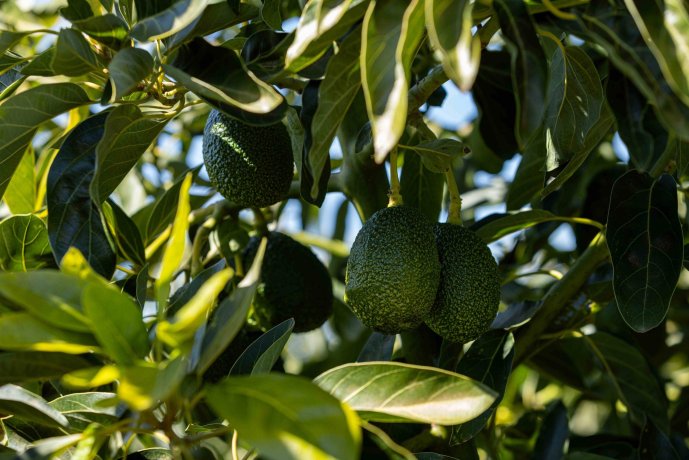
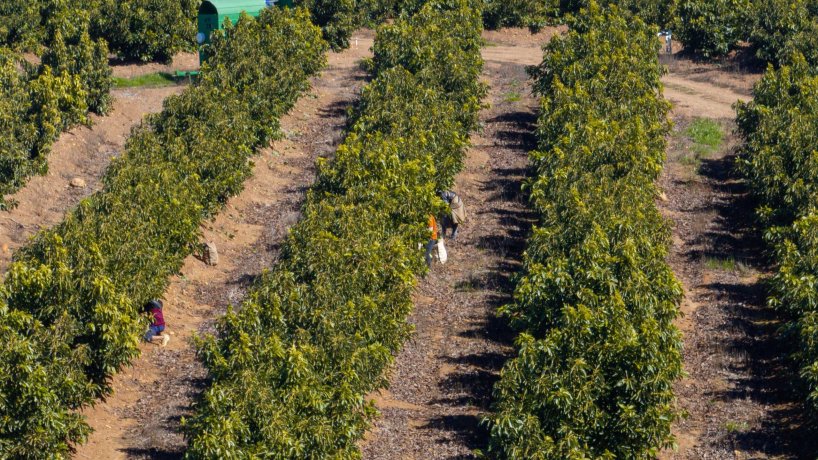
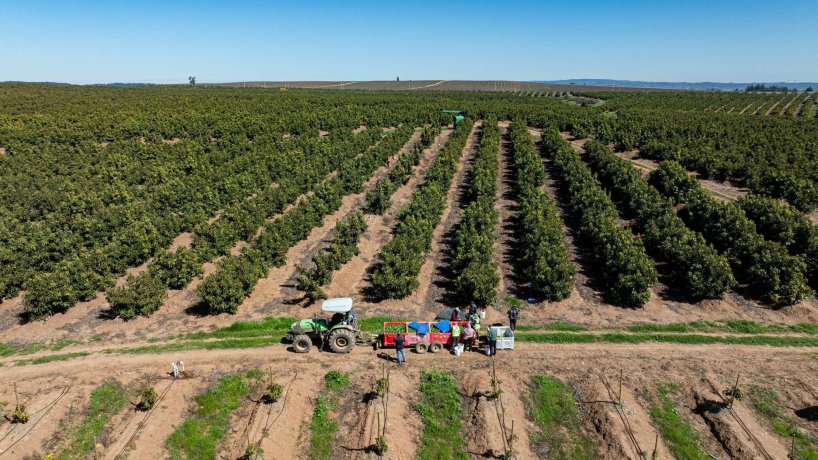
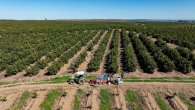
This technical precision becomes even more relevant in a context of climate change and agricultural expansion into new areas. Baika is promoting avocado cultivation in regions with very different conditions from its place of origin, a challenge that requires rethinking management programs and generating more local information. “We lack knowledge adapted to each production zone,” explains Delpero, “and that’s where biostimulation will play a key role in designing cost-effective and sustainable strategies.”
The logic behind this approach is simple: a stressed plant yields less, is more susceptible to disease, and produces lower-quality fruit. Therefore, biostimulation has become an essential tool within the Back to Basics philosophy , which aims to strengthen the plant's physiological balance and enhance its natural resilience.
“When we enable the avocado tree to express its genetic potential under different environmental conditions, we are moving towards a more sustainable and resilient agriculture,” Delpero concludes.
With this vision, Baika not only adopts a global trend, but redefines it from science and field experience, integrating biostimulation as a strategic component for the future of Chilean fruit farming.