Regenerative agriculture in action: how Valle Leyda became a living laboratory of agro-technological innovation
Ignacio Streeter, CEO of Neutral Farming, reveals how data science and artificial intelligence are transforming Chilean soil into a climate asset.
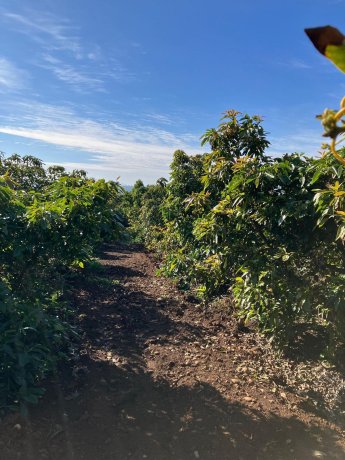
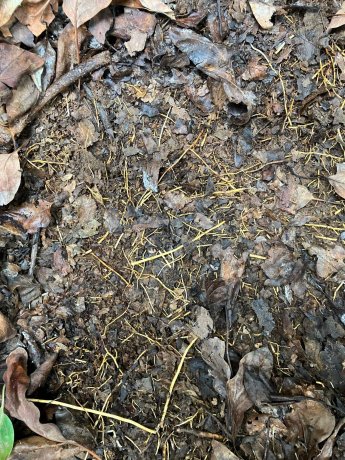
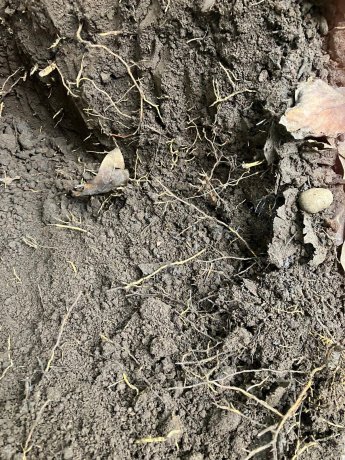
In the heart of the Leyda Valley, Baika Chile embarked on an ambitious regenerative agriculture pilot project with technological support from Neutral Farming. The objective was clear: to measure the impact of agricultural practices implemented in recent years, especially in terms of soil health and carbon sequestration.
“The main purpose was to determine the increases in organic matter, soil organic carbon, and CO₂ equivalent sequestration since they began implementing these Regenerative Agriculture practices,” explains Ignacio Streeter, CEO and co-founder of Neutral Farming. The choice of Valle Leyda was not accidental. According to Streeter, “the special care the agricultural area has taken to restore the soil through various management practices” made it the ideal location for this experiment.
Soil carbon measurements were performed using the Agricultural Digital Twin, a platform developed by Neutral Farming that combines scientific models with artificial intelligence and machine learning. This tool allows for the extrapolation of physical and chemical soil variables from field data, satellite imagery, and historical databases.
“We follow internationally recognized methodologies such as FAO’s GSOC and Verra’s VM0042,” says Streeter. Furthermore, the system recommends the optimal number of samples and their georeferenced locations, allowing us to establish a baseline for future carbon sequestration measurements.
Preliminary results from the pilot project show significant potential for additional carbon sequestration. To achieve this potential, Streeter suggests implementing practices such as permanent ground cover, crop rotation, reduced tillage, application of compost and bio-inputs, and integrated nutrient management.
These practices not only improve soil health, but also contribute to the company's decarbonization strategy.
A model for Chile and Latin America
The measurements and modeling carried out in Valle Leyda represent a significant step forward for regenerative agriculture in the region. “By providing concrete data on agricultural impact, better decisions can be made about which practices are most beneficial based on the specific conditions of each field,” says Streeter. Neutral Farming seeks to bridge the gap between science and agricultural practice, facilitating the transition to more sustainable models. “Our solution drives profitability and a positive impact in agriculture,” he adds.
Neutral Farming defines itself as a "technology builder" for agriculture. In practice, this translates into two key benefits for producers like Baika Chile:
- Efficient data management: The Digital Twin automates the capture of information from multiple sources (weather, sensors, fertilizers, soil analysis), simplifying decision-making and reducing the use of inputs by up to 30%.
- Measuring positive impact: The platform translates improvements into sustainability metrics demanded by markets and investors, such as carbon footprint, soil health, and water efficiency.
Looking to the future: scaling up with strategic allies
The alliance between Neutral Farming and Baika Chile exemplifies how innovation and collaboration can drive the adoption of regenerative farming practices and improve the environmental impact of agricultural production. Neutral Farming sees Baika Chile as a key partner for scaling its model. “A natural evolution is to work with their network of suppliers to generate a greater impact in the countries where they operate,” says Streeter.
To expand these projects, it is essential that more leading companies in fruit crops and agribusiness adopt technologies that provide tangible economic and environmental value.
Streeter concludes with a reflection on the role of technology in the future of agriculture: “There is currently a lot of talk about the overutilization of resources. Our vision is that applied science and AI have a tremendous contribution to make in this area. They help agriculture become more efficient, more profitable, and have a greater positive impact.”