The Jalisco avocado boom: how it became a global competitor
Jalisco has solidified its presence in the global avocado market thanks to its focus on quality, technological advancements, and market diversification. Unlike other producing regions, it has achieved efficient coordination among producers, associations, and government entities, enabling sustained growth.
From the fertile fields of Jalisco to supermarkets around the world, Jalisco avocados have found their place in global trade. Their success is no accident, but rather the result of a strategic commitment to quality, innovation, and market diversification.
Despite not having the mass production of Michoacán, its focus on quality, technology and market expansion has allowed its exports to grow steadily.
Key factors in export growth
According to Jesús Michel Espinoza Rosales, director of APEAJAL, Jalisco's success in avocado exports is due to several factors. Among them, he highlights the organization of the industry, with effective coordination between producers, associations, and government agencies such as SADER and SENASICA. Furthermore, investments in infrastructure, obtaining international certifications like Global GAP and FSMA, and the adoption of advanced technology have been key to this growth.Furthermore, market diversification has allowed exports to expand beyond the United States, reaching countries in Asia, Europe, and Latin America. "Collaboration between producers, local government, and companies in the agri-food sector has been key to strengthening the industry's competitiveness," stated Espinoza Rosales.
Technological advancement as the key to success
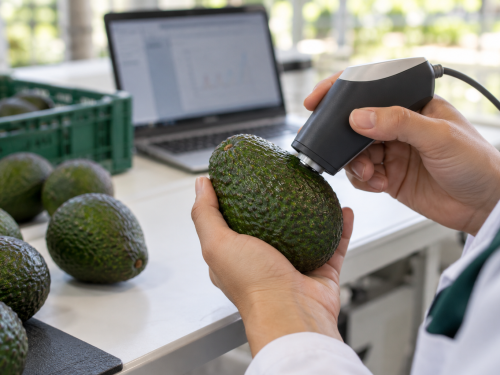
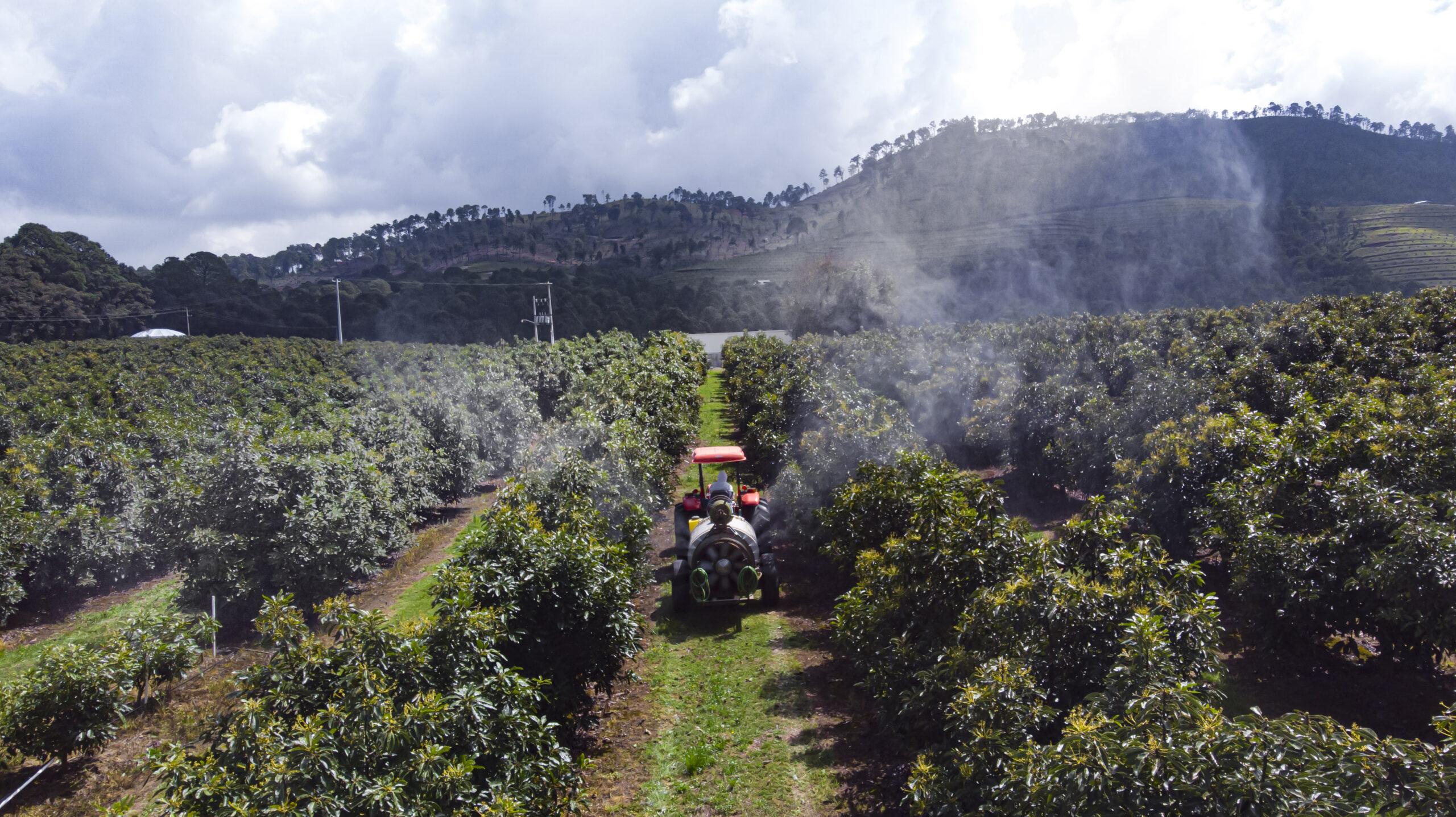
For Eleazar Oseguera Aguayo, president of the Association of Avocado Producers and Exporters of Jalisco (APEAJAL), the modernization of cultivation techniques has been a determining factor in the rise of the Jalisco industry. “The main quality that differentiates our production is the modernization and the management practices we have implemented for the trees and the fruit, including irrigation, fumigation, and daily work,” he stated in an interview with Avobook.In 2024, Jalisco closed the year with an avocado production of approximately 350,000 tons, although fruit size was affected by weather conditions. "What drove the market in 2024 was size, not volume or quality," explained Oseguera. Extreme temperatures impacted avocado development, resulting in smaller fruit and reducing the total harvested volume.
In 2022, Jalisco obtained certification to export avocados to the United States, a milestone that marked the beginning of exponential growth in the sector. In the first certification window, 8,422 hectares of cultivation were approved, a figure that reached 20,532.6 hectares in the last cycle, representing an increase of 144%.
Currently, Jalisco accounts for between 10% and 12% of avocado exports to the U.S., solidifying its position as a key supplier in this market. Since then, the state has shipped between 120,000 and 140,000 tons annually to this market. "The goal is for all of that fruit to go to the United States, but we also export to Japan, Canada, Europe, and Central America," Oseguera stated.
Growth has been notable in markets such as Japan and Canada, where demand increased between 10% and 15% during 2024. In addition, Jalisco is in the process of opening new destinations, such as Brazil, Malaysia and Chile, although the latter requires the modification of trade protocols to allow the entry of avocados from Jalisco.
Sustainability and expansion into new markets
The avocado industry in Jalisco has adopted various initiatives to ensure responsible and sustainable production. "One of the main actions is the reforestation program of native and forest species, in which more than 50,000 plants are produced annually," highlighted Jesús Michel Espinoza Rosales, director of APEAJAL.Furthermore, Jalisco is part of the biological corridor committee and is committed to the conservation of pollinators, which are fundamental to the health of agricultural ecosystems. "We also have a forestry brigade that carries out prevention and eradication work on forest fires, as well as supporting producers in the reforestation of their land," added Espinoza Rosales.
On the other hand, the efficient use of water is being promoted through specialized training focused on optimizing irrigation systems. "The implementation of moisture sensors allows for more precise irrigation, which helps conserve water resources and increase efficiency in their use," concluded the director of APEAJAL.
Jalisco's efforts are also focused on opening new markets. In addition to the U.S., Japan and Canada have shown significant growth in demand, driven by promotion at international trade shows such as CPMA and FODEX. Certifications are being sought to access Brazil and Chile, markets with great potential for avocado consumption.
Projections and challenges for the future
Growth projections for avocado exports from Jalisco in the coming years are quite positive, although they will be heavily influenced by factors such as climate change, which represents one of the biggest challenges for any crop, including avocado production. "Crop productivity will be largely determined by how these changes are managed and adapted to," stated Jesús Michel Espinoza Rosales, director of APEAJAL.In Jalisco, efforts are underway to increase the number of municipalities free of regulated pests, as currently only 15 of the 79 producing municipalities are pest-free. "With this effort, Jalisco has the potential to grow by up to 32,000 additional hectares, which could represent a 20% to 25% increase in avocado exports to the United States," Espinoza Rosales noted. This growth, coupled with infrastructure investments and the adoption of more sustainable technologies, could further solidify Jalisco's presence in international markets.
By 2025, APEAJAL projects that production will exceed 400,000 tons, with an increase in exports to the United States. "We are going to reach 200,000 or 220,000 tons shipped to the U.S., thanks to the opening of new municipalities and the growth of orchards," Oseguera stated.
Avocados from Jalisco have also gained prominence in events like the Super Bowl, where it is expected that 17,000 tons will be shipped in the 20 days prior to the sporting event.
However, the industry's growth also faces environmental challenges, such as intensive water use and deforestation. Producers in Jalisco have implemented advanced irrigation systems to reduce the impact and improve water efficiency.
Jalisco's rise in avocado exports exemplifies how innovation and market access can boost an industry. Despite facing climate and trade challenges, Jalisco's avocado sector continues to grow, solidifying its position as a global leader in the production and export of this fruit.