Challenges in avocado production in Chile, Peru and Colombia
Each country where Baika operates presents its own unique challenges. In Chile, the main challenge is increasing yields per hectare. The company has implemented an ambitious technical management plan in its orchards, including a significant investment in new avocado orchards. These improvements aim to optimize production and ensure a consistent supply.
To this end, it has made significant investments in new hectares of cultivation, including the acquisition and development of strategic land to increase production.
One example is the cultivation of 2,000 hectares in the Rapel area. Additionally, the planting of the Ucuquer and Alicura fields in the O'Higgins Region was completed this year, where 1,000 of the 1,600 hectares are dedicated to avocados. We undertook a very large project over the last three years, planting 200 hectares per year.
The technical strategy has also been changed, incorporating a new technical manager and focusing on more advanced agricultural practices, which allows them to improve fruit quality and maximize production.
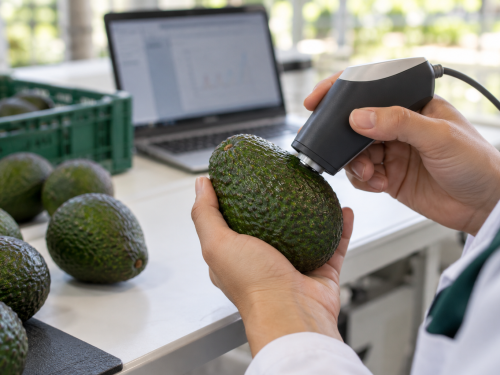
In Peru, the focus has been on improving fruit quality, specifically in terms of harvesting at the optimal point of ripeness to achieve the ideal dry matter content. This ensures that exported avocados meet international standards. Coordination with local producers has been key to achieving these goals and enhancing the reputation of Peruvian avocados in international markets.
Colombia, on the other hand, presents a particular challenge due to extreme weather conditions, such as constant rainfall that affects production. Despite this, Baika has invested in over 700 hectares in the country, working to improve productivity and fruit quality. Colombia's tropical climate poses difficulties, with abundant rainfall and heat, resulting in a very high fungal load. There is significant work to be done in the fields to address this.
The biggest challenge overall is obviously the yield per hectare, which is the lowest of all the origins the company handles. Along with that, improving the fruit's condition for shipping is crucial. That has been improving, but we need to communicate that improvement to importers.
Baika has established long-term strategies to overcome these challenges, particularly through diversifying its sourcing and improving its production and logistics infrastructure. This forward-looking approach positions the company to better manage market fluctuations and face challenges with greater resilience.