Baika Fruits: returning to the basics of production to cultivate the future
At a time when the agricultural sector is immersed in an avalanche of innovative products, many of them without conclusive scientific validation, a profound concern arises: is the essence of cultivation being lost? Amid this transformation, Baika Fruits offers a critical reflection on the direction of agricultural production and proposes a different perspective, one that does not reject progress but does demand a reevaluation of priorities.
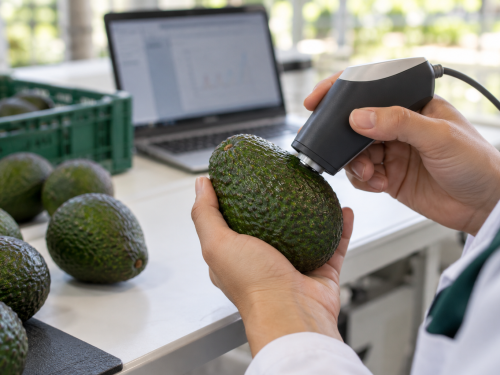
The growing reliance on inputs that promise immediate solutions has led some in the sector to adopt a reductionist approach, seeking to solve complex problems through a single variable. According to the exporter Baika Fruits, this phenomenon has blurred the holistic approach that historically characterized good agricultural management, replacing it with single-factor strategies that oversimplify causes and outcomes. Technology, far from being untouched by this trend, has also contributed to the disconnect from the land: farmers have stopped directly observing the soil, stopped feeling the land, and have instead placed excessive trust in devices and sensors.
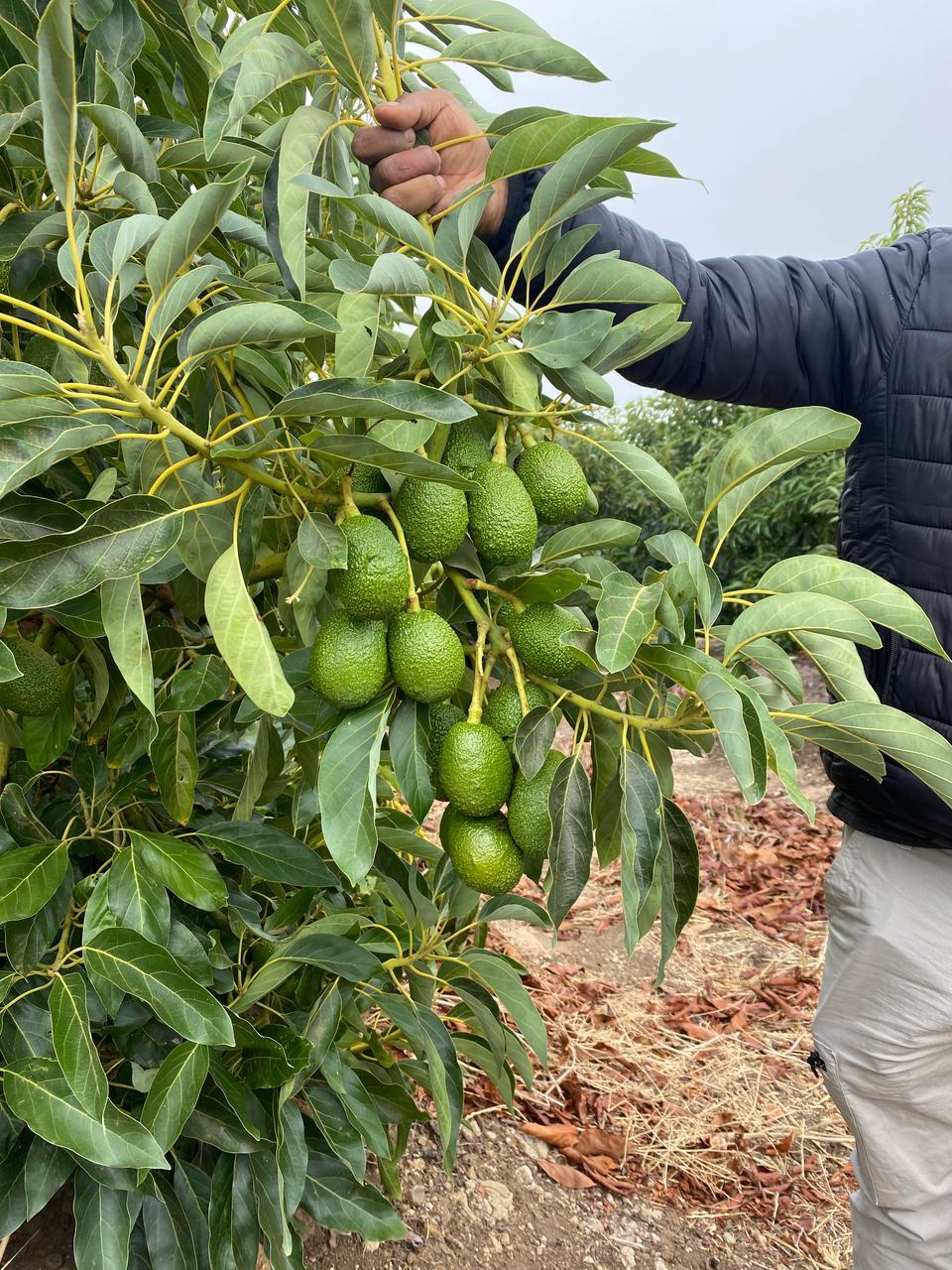
Based on their experience, Baika Fruits warns that the rapid introduction of technology, while necessary, has displaced traditional agricultural sensibilities. What was once a prudent and measured incorporation has become a race for the latest technology, risking a loss of touch with the true priorities of cultivation.
Faced with this reality, the company has decided to return to a production model based on solid foundations. Its motto, “Back to Basics,” is not a nostalgic slogan, but rather a proposal for convergence between traditional knowledge and modern tools. For Baika Fruits, this philosophy means rescuing essential agronomic practices that have been sidelined, without sacrificing the potential of innovation.
The starting point is the agriculture of yesteryear, the kind practiced by our grandparents with respect and wisdom. In that model, preparing the land was a rigorous process: the soil was tilled to achieve a suitable structure, organic fertilizers like guano were incorporated, deep irrigation was applied before planting to stabilize the soil profile and reduce salinity, and plants with reliable genetics were selected. All of this was part of an orderly and deliberate process, where the foundation of the crop determined its success.
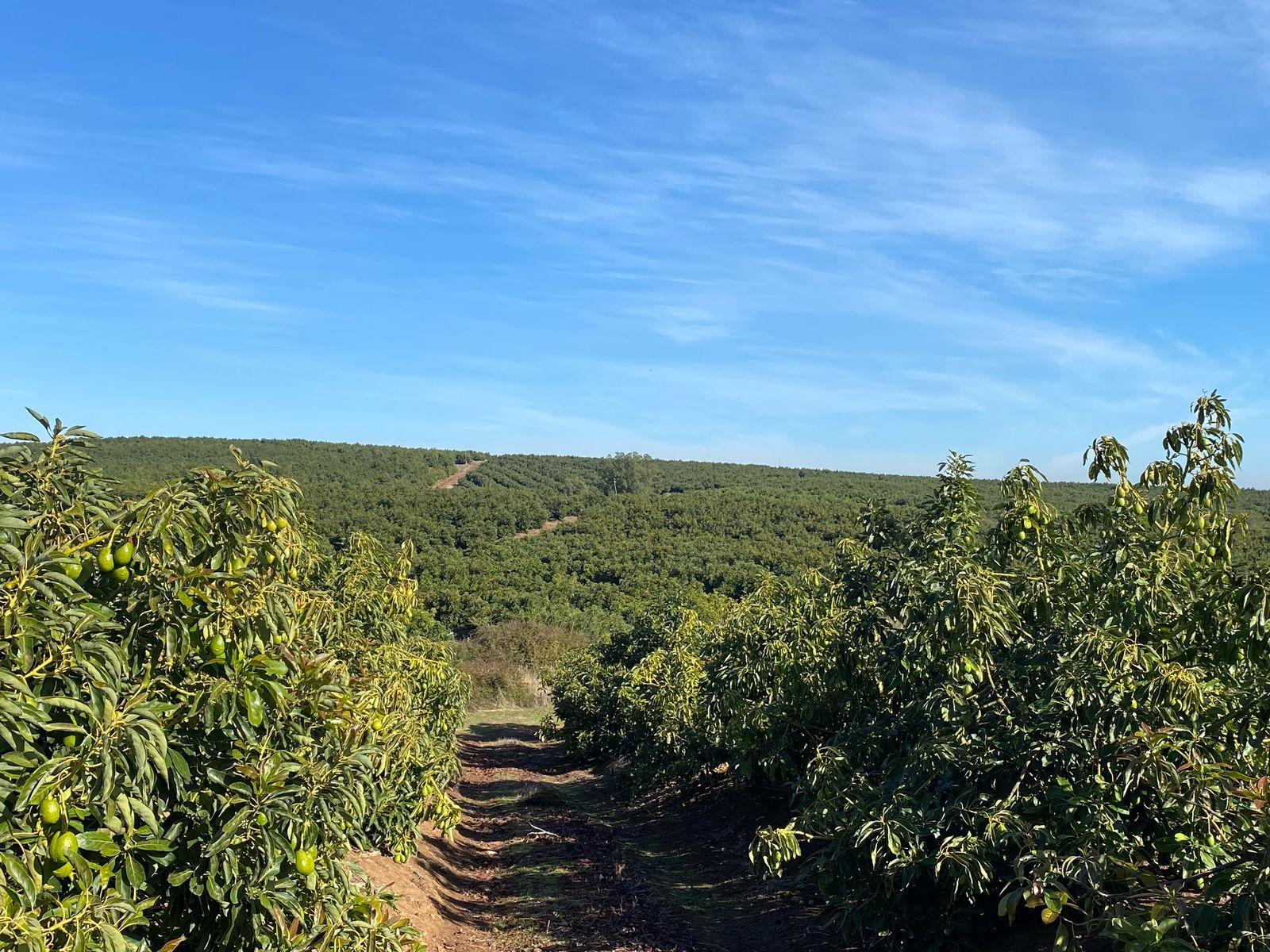
Today, the goal of achieving efficient and sustainable production remains relevant, but in many cases, shortcuts are taken. Baika Fruits insists that innovation should serve the foundations, not replace them. Therefore, their approach is structured around a clear order of priorities. First, plant quality: weak genetics compromise any subsequent efforts. Second, the soil: its care and sustainable management are indispensable conditions for long-term agriculture. Irrigation occupies a crucial third place, understood not only as a water supply strategy but as a technical system that must be operated with precision, from pressure calibration to filter maintenance. Only when these pillars are firmly established can progress be made toward nutrition and biostimulation, not as miracle solutions, but as reinforcements to a robust production structure.
Baika Fruits thus proposes an agriculture that doesn't lose sight of its origins, but also knows how to adapt to current demands. In a context where technological and commercial noise threatens to overshadow what is essential, its message is clear: true innovation is that which strengthens the roots. Returning to the basics is not going backward, but rather cultivating with awareness, respect, and a vision for the future.