Baika Fruits is betting on genetic and technological advances to boost avocado production in Colombia
Colombia is making steady progress in developing its Hass avocado industry, a crop that has become one of the country's major agricultural bets. However, behind the growth in exports and the opening of new markets lies a quiet but profound effort in genetic innovation and technological development aimed at making the crops more productive, sustainable, and competitive. In this process, companies like Baika Fruits are leading significant transformations.
The starting point for many of the problems facing the sector lies in the nurseries. The lack of rigorous mass selection processes has led to the propagation of low-yielding plants for years. As Hernán Alday, Agricultural Manager of Baika Colombia, explains, “the propagation of plants without a proper mass selection process has contributed to low-productivity orchards, since the buds are obtained from trees that are not necessarily the most productive or in the best health.”
This scenario has led to heterogeneous orchards, where genetic variability translates into uneven yields and greater susceptibility to diseases and pests. Faced with this situation, science has begun to offer decisive solutions.
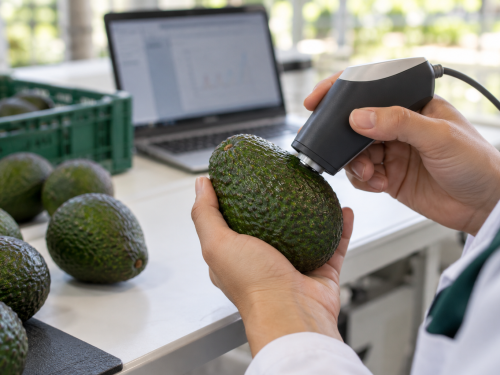
In 2019, the publication of the Hass avocado's genetic sequencing—a milestone achieved and published in the Proceedings of the National Academy of Sciences —opened a new chapter for crop improvement. “It allows us to study the function of specific genes to enhance its properties, such as resistance to diseases and pests, and to improve production and fruit with a longer shelf life,” Alday notes.
These advances have also led to the development of new varieties. Among them, the Luna variety , recently presented by the University of California, Riverside (UCR), stands out. “It has similar characteristics to the Hass variety; it is wrinkled, ripens to black, the trees are smaller, and its fruit, according to its developers, has a post-harvest quality similar to Hass,” comments the agricultural manager of Baika.
Towards more sustainable production
One of the main goals of this research is to develop plants that are naturally resistant to pests and diseases, which would significantly reduce the use of agrochemicals. “Ideally, developing Hass avocado plants that are resistant to pests and diseases would allow us to significantly reduce the use of agrochemicals designed to control them, making the crop more economical and more environmentally sustainable,” explains Alday. Currently, natural extracts such as neem and cinnamon, which act as insect repellents, or thyme, which has antifungal properties, are used.
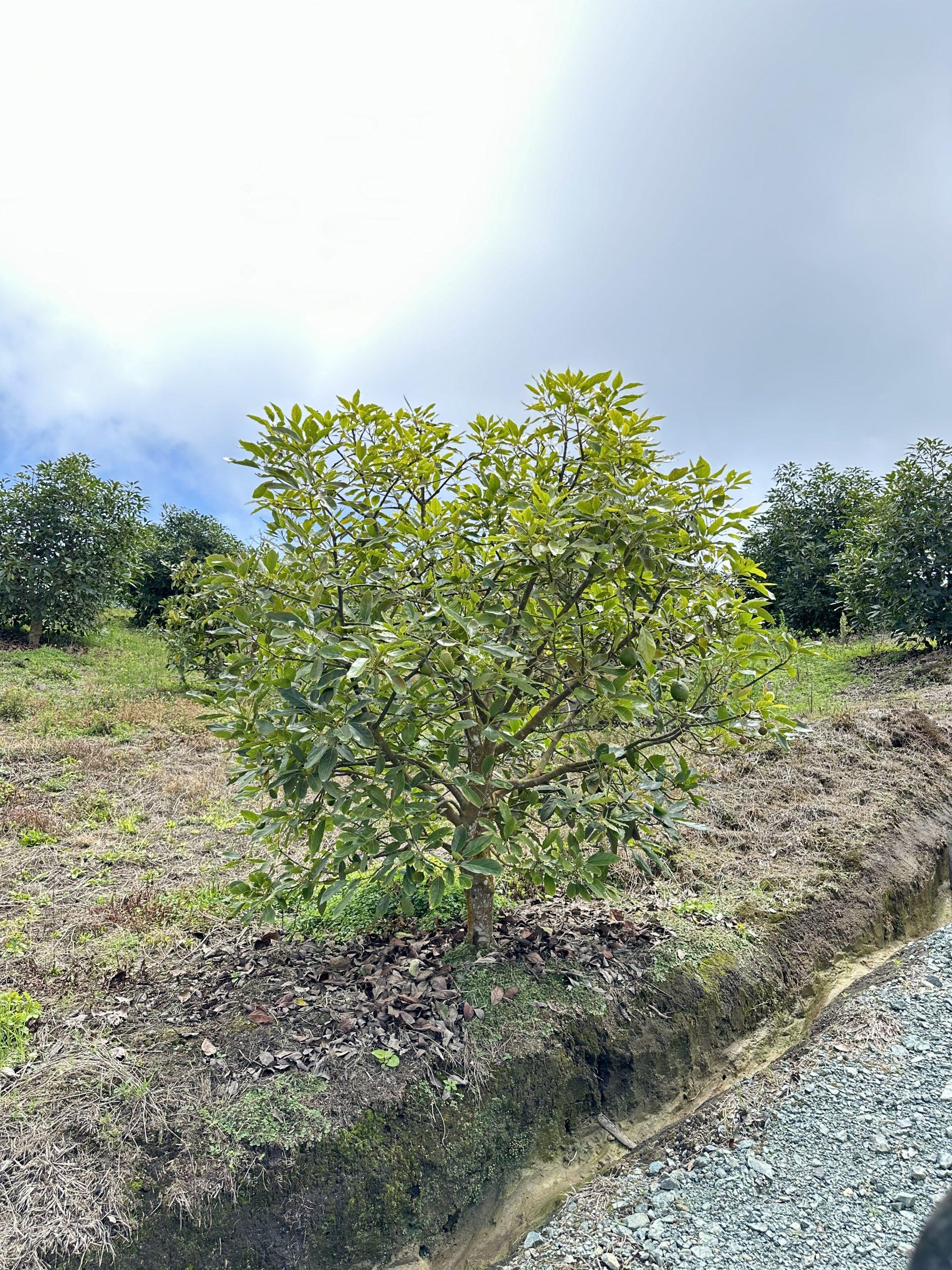
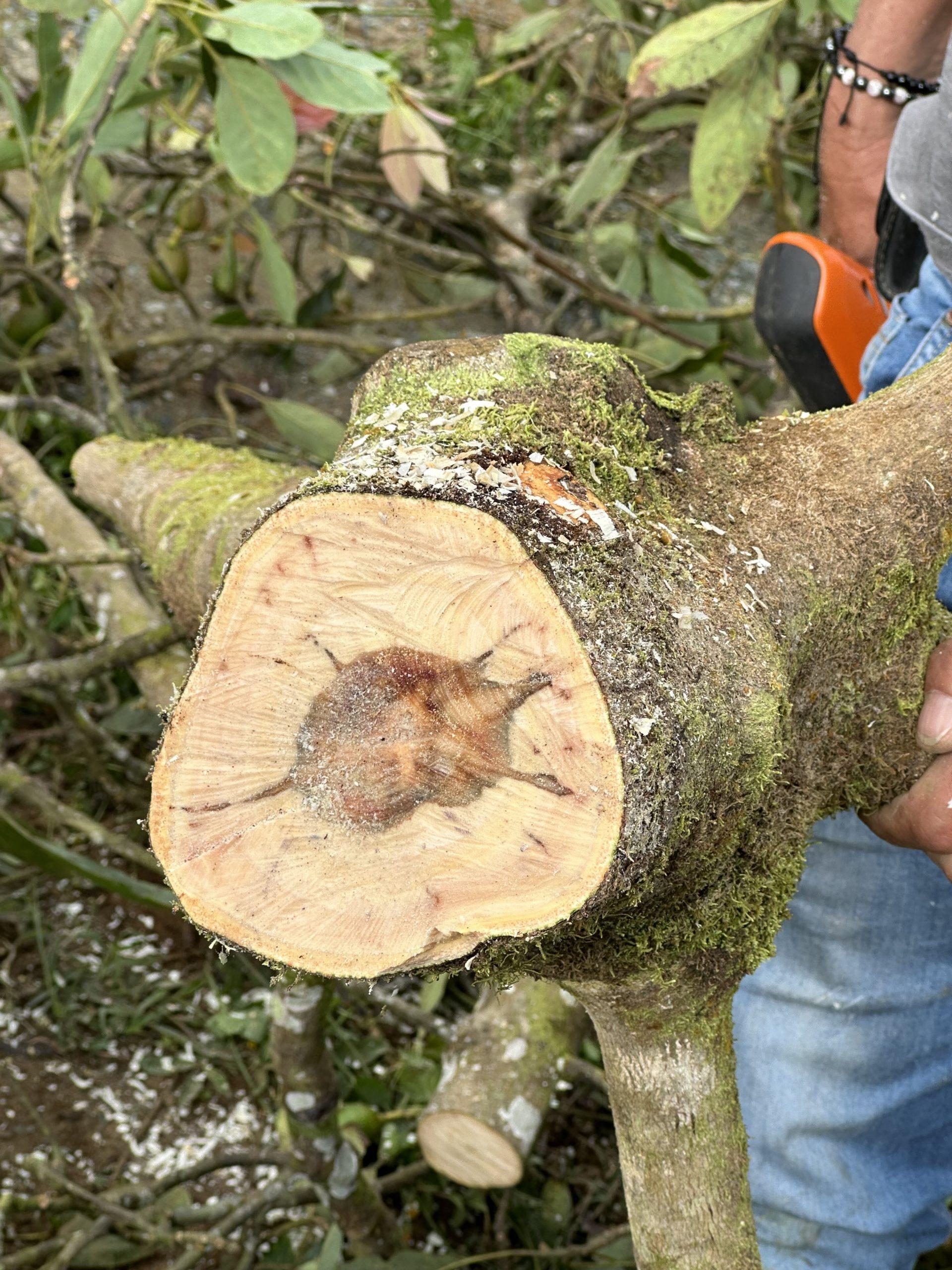
Despite these advances, significant challenges remain, especially in managing soil fungi such as Phytophthora , one of the main problems in Hass avocado orchards in Colombia. The most commonly used rootstock has traditionally been a seed variety of Antillean origin (criollo), which is highly susceptible to this fungus and thrives in soils with high moisture content and poor drainage, a result of soil compaction after years of livestock grazing.
Faced with this threat, the industry has begun using clonal rootstocks such as Duke-7 , which offers high tolerance to Phytophthora . However, nurseries' capacity to supply the growing demand for this material is still limited. "Nurseries have not been able to meet the increasing demand for this material and are currently receiving orders with delivery times of up to two years," warns Alday.
In this process, the mother plants play a crucial role in guaranteeing the genetic quality of the new orchards. “These are plants used for propagation that have been carefully selected for their productive and outstanding overall performance—discreet growth habits, tolerance to nutritional deficiencies, etc.—and are also kept isolated in a special block where they receive special care,” explains the specialist.
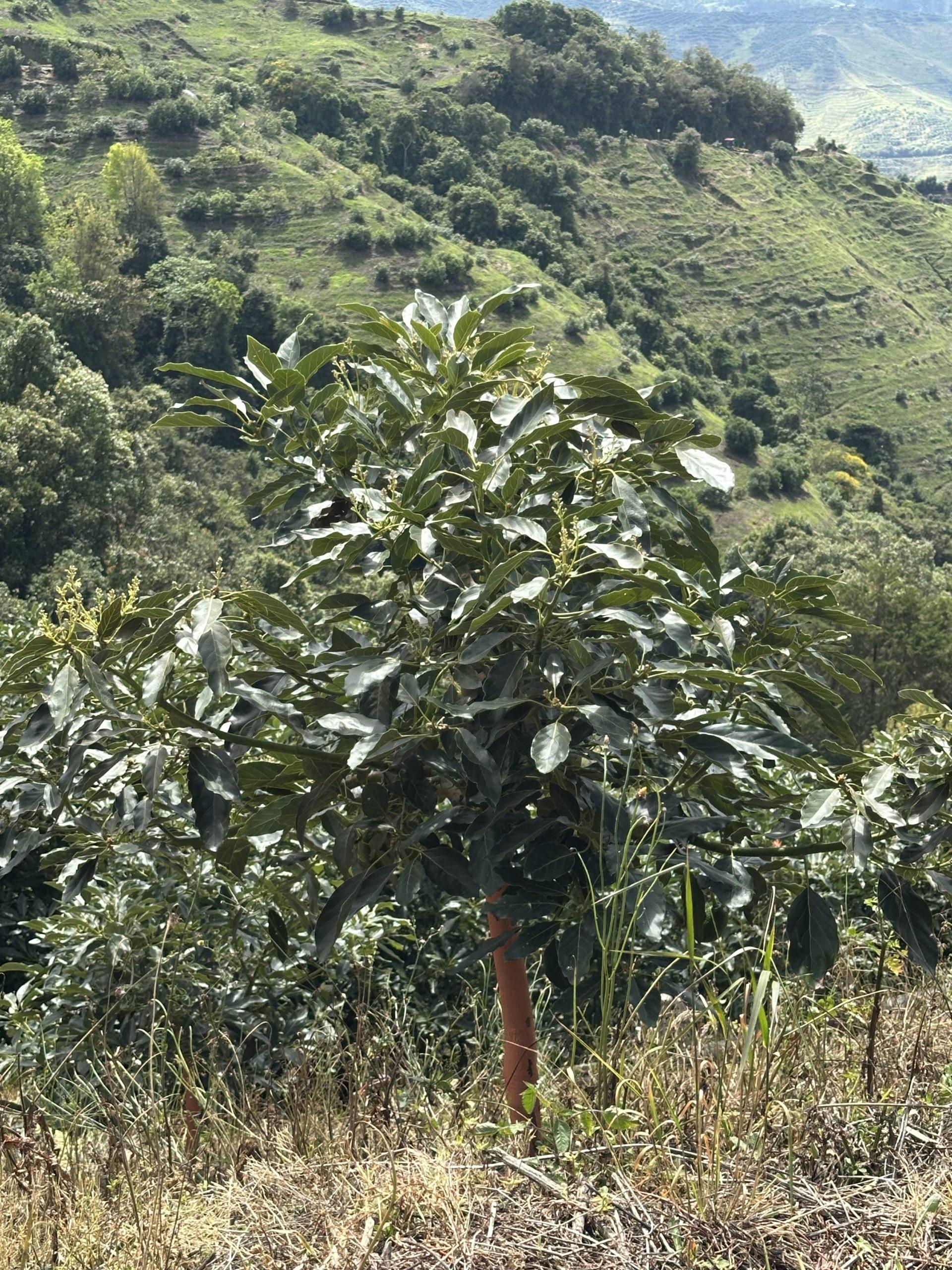
The application of these emerging technologies and methodologies has a direct impact on the sector's competitiveness. Genetic improvement not only allows for higher quality fruit with a longer post-harvest life, but also opens the door to new international markets, which are increasingly demanding in terms of phytosanitary and logistical standards. "Progress in these areas forms the basis for achieving the necessary maturity and significant development of the avocado industry in Colombia, allowing us to diversify markets (Asia: India, China, Arab countries) and reach distant markets with a quality product, minimizing costs due to losses from damaged fruit during transit," says Alday.
However, Alday warns that the industry's success depends not only on advances in genetics and agricultural technology. “The country must improve its infrastructure, roads, ports, and increase and improve its packing capacity and transportation to further maximize the fruit's shelf life. Even if we have top-quality fruit, if we don't shorten travel times, reduce waiting times at processing plants, and address inadequate refrigeration, we won't reap the corresponding benefits.”
The avocado revolution in Colombia isn't just happening in laboratories and nurseries. It requires a coordinated effort involving genetic innovation, agronomic management, infrastructure investment, and a long-term vision. Companies like Baika Fruits demonstrate that the path is clear and that the country has the potential to position itself as a world leader in the competitive avocado market.