Baika Fruit: Significant advances in genetics and technology for avocado production in Chile
Avocado production in Chile has undergone a revolution in recent years, driven by advances in genetics and technology. Despite the existence of more than 500 registered avocado varieties worldwide, the industry has focused primarily on the Hass variety, due to its high commercial demand and excellent post-harvest life.
However, the risks associated with monoculture have led producers to seek alternatives that maintain fruit quality and allow for greater sustainability in production.
Diversification and genetic improvement
Juan Antonio Delpero Barrios, Production Manager at Baika Chile, explains that, due to the dominance of the Hass variety, "genetic improvement programs have been developed in various parts of the world, such as California, Israel, and Australia, with the goal of obtaining varieties that, while remaining recognizable to consumers, offer improvements in productivity, quality, and resistance." Among these new varieties are Carmen Hass, Maluma, Gem, Lamb Hass, Gwen, and Jiménez, each with specific characteristics adapted to different climatic and soil conditions.
In parallel, rootstock selection has evolved considerably. "One of the main factors studied in rootstocks is their resistance to diseases such as Phytophthora cinnamomi, which has led to the development of rootstocks like Dusa, Duke 7, and Toro Canyon, among others," notes Delpero Barrios. Furthermore, tolerance to factors such as salts and heavy soils has driven the use of rootstocks like Nachlat, Borchard, Velvick, Degania, and Ashdot, among others.
Chile's role in agricultural innovation
In Chile, the Mexicola rootstock remains the most widely used due to its cold tolerance, although its susceptibility to salinity and Phytophthora has led growers to consider more resistant alternatives. "In the last three years, we have opted for the Dusa clonal rootstock, which offers high vigor, uniformity, and earliness, making it an excellent option for the south-central region of the country, where soil conditions are more marginal," says Delpero Barrios.
Baika Chile, one of the leading innovation companies in Chile, has decided to establish experimental fields in the Santo Domingo commune in 2026, testing Israeli rootstocks such as Degania and Ashdot. "We also want to include the Velvick rootstock (Guatemalan x West Indian race) because of its salt resistance and good root system," adds Delpero Barrios, emphasizing the importance of applied research to improve the crop's productivity and sustainability.
New technologies for agriculture
Technological development has also allowed for optimized production. "Thanks to platforms like Agronic and Dropcontrol, along with soil moisture sensors, we can make more precise decisions about irrigation and fertilization," explains Delpero Barrios. This type of technology not only improves water efficiency but also strengthens the country's competitiveness in international markets.
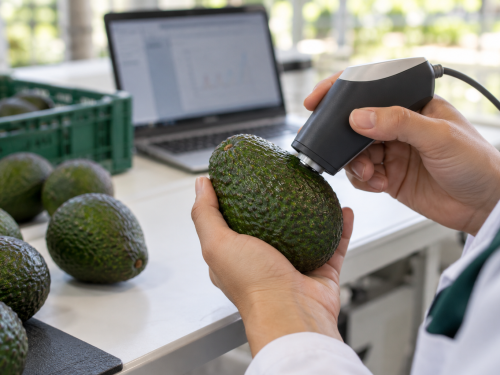
Genetic research is also advancing rapidly. The University of Queensland in Australia has developed a tissue culture propagation method, enabling the mass production of rootstocks in less time. Furthermore, the sequencing of the avocado genome, achieved by scientists from ten countries, is contributing significantly to the genetic improvement of the crop.
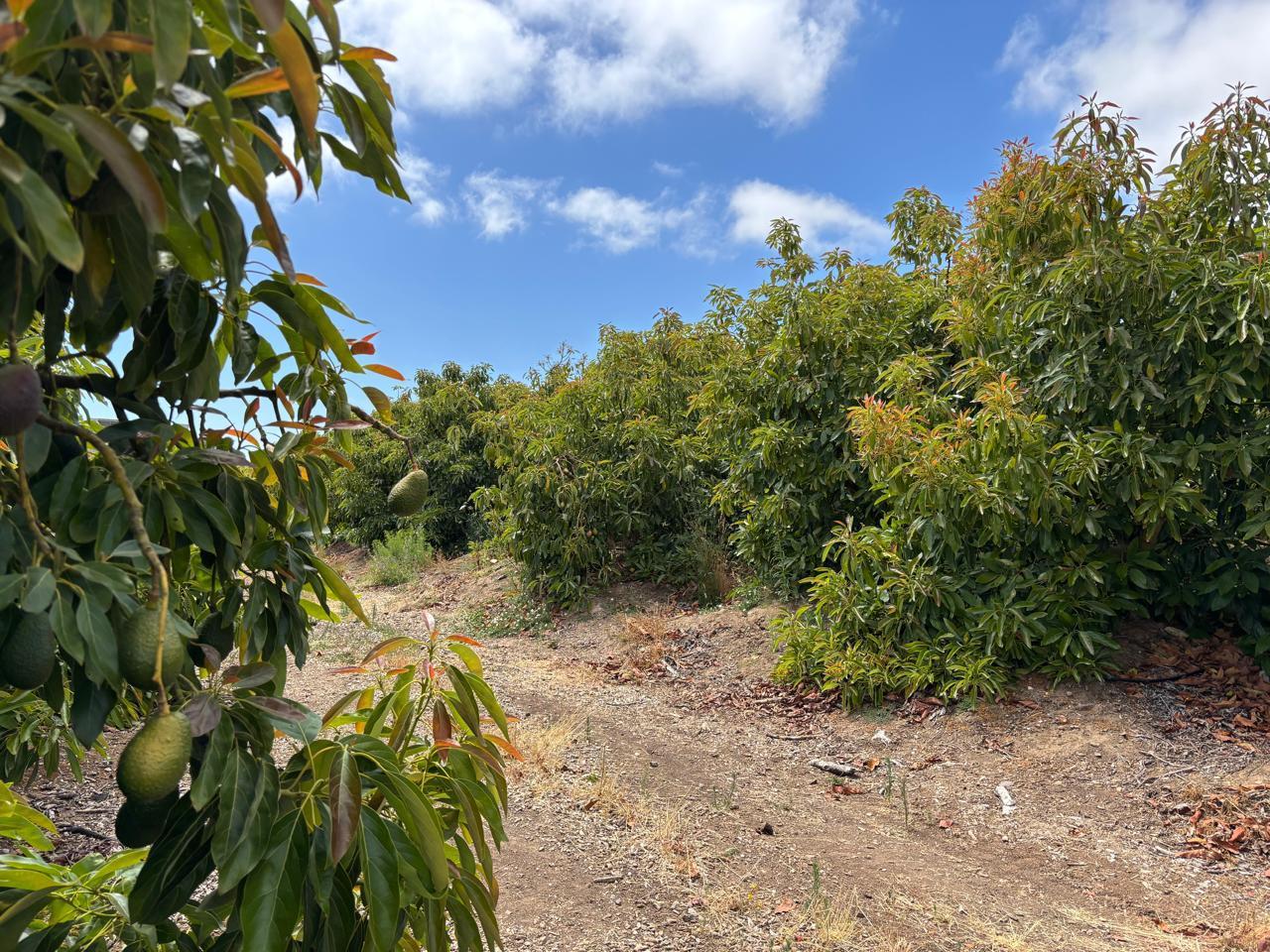
Beyond technology, Delpero Barrios emphasizes the need to return to the fundamentals of production. "It is essential to have adequate soil fertility, a strong root system, and an efficient irrigation strategy. To achieve this, we have a committed team that carries out constant monitoring and maintains the infrastructure in optimal condition."
In this context, Baika Chile has implemented precision irrigation systems and continuous monitoring to maximize water efficiency. "These advances not only benefit our fields, but also consolidate Chile as a key player in avocado exports," Delpero Barrios points out.
Regarding sustainability, the company has developed its own microbiology laboratory, where they replicate beneficial microorganisms to naturally strengthen crop health. "The agriculture of the future is built from the ground up, and we are committed to sustainable, innovative, and profitable production," concludes Delpero Barrios.
The future of avocados in Chile depends on a combination of genetic innovation, technology, and sustainable practices. The key will be balancing productivity, quality, and respect for the environment to remain competitive in an increasingly demanding global market.