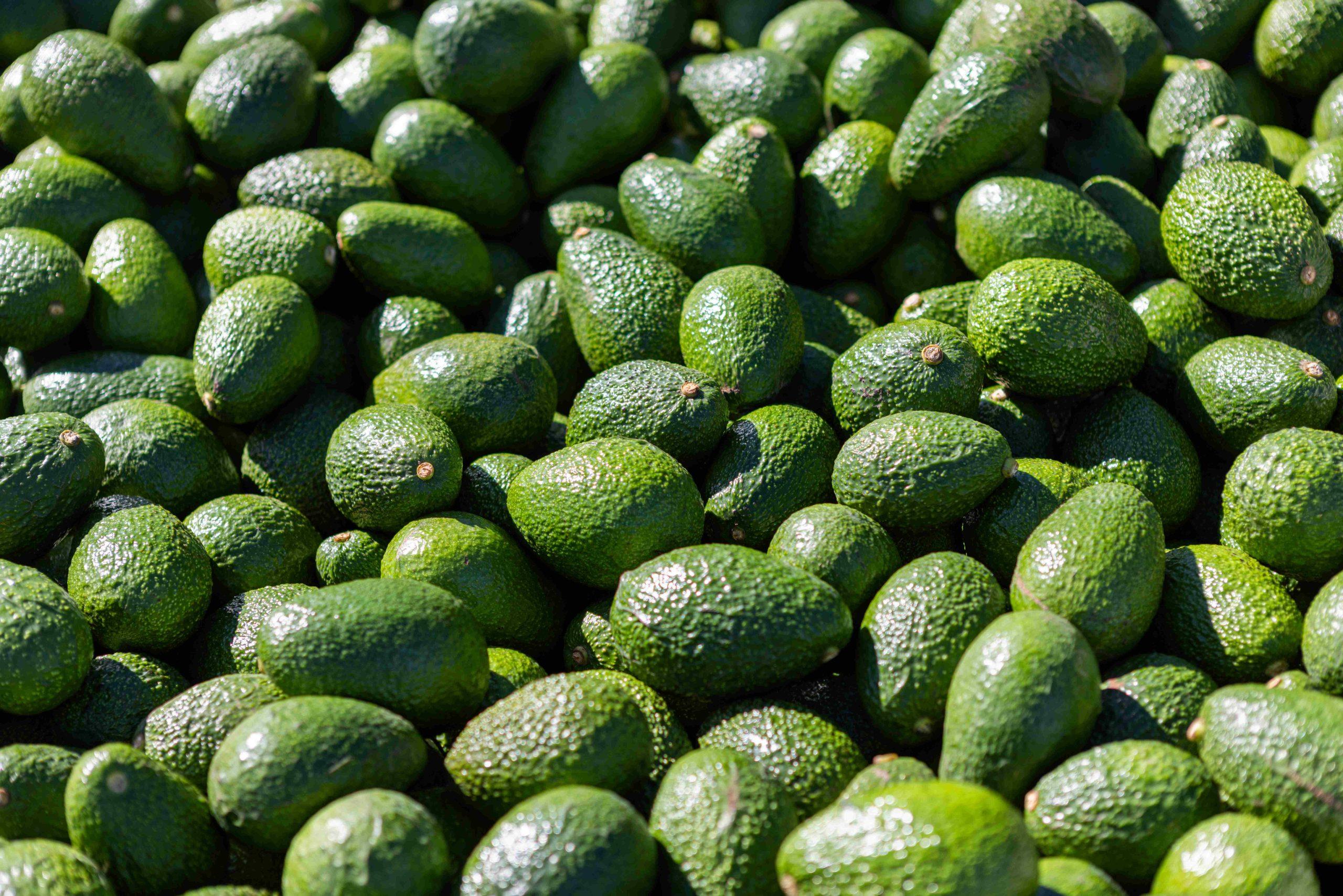
Baika kicks off a new Chilean avocado season with high-quality fruit and expectations of higher volume.
With excellent quality fruit and increasing volumes, Chile is kicking off a new avocado season marked by a recovery in production and the challenge of competing in well-supplied markets. Baika highlights the positive impact of the rains, improved fruit ripening, and a technical strategy aimed at consolidating Chilean avocados in key international markets.
The start of the 2025-2026 Chilean avocado season brings good news for the sector: excellent quality fruit, an increase in expected volume, and a sustained recovery in the northern production areas of the country. However, the market presents significant challenges due to strong international competition and a global market that is more saturated than in previous years.
Antonio Lante, manager of the exporting company Baika, explains that the harvest started at a slower pace than usual. “Up until week 37, the season was slower than previous ones, mainly because there was a much larger Peruvian avocado crop late in the season and the markets were already well supplied. There was no need to start a new source like Chile,” he notes.
This situation changed rapidly starting in week 38, when Chilean cargo volumes began to increase steadily. “Since then, Chile has started to increase its volume and today it's shipping larger loads than in recent seasons. In fact, week 38 marked a historic week for Chilean cargo,” Lante points out.
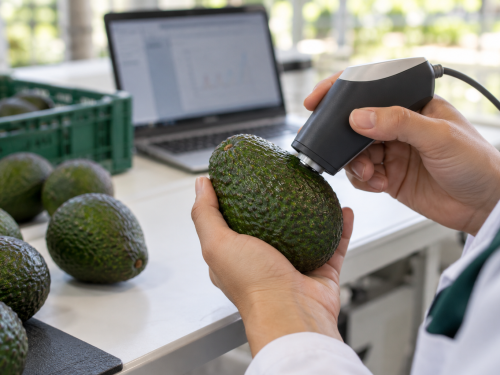
One of the most positive aspects of the start of the season has been the quality of the fruit. According to the executive, several factors contributed to this. “Because the market was more restrictive, less fruit was harvested, allowing it time to reach a higher level of dry matter and oil content. This has resulted in much better quality fruit at the beginning of the season,” he explains.
Furthermore, the weather conditions were favorable. “We’ve had two seasons with better rainfall, and we have very good fruit from the northern region. We didn’t have any major frost events this year, and that also greatly influences the quality,” Lante adds.
Water availability has been key to this rebound. After years of drought, improved rainfall has allowed orchard productivity to recover. “All of this is helping us to have a larger volume of fruit. In terms of quality, we started a little behind, but with better dry matter and oil content,” he summarizes.
The international context, however, presents significant challenges. “Markets are much better supplied than in previous seasons,” warns the manager of Baika. In the United States, Mexico maintains a high availability of fruit, which limits the entry window for Chilean avocados. “Unlike last year, when the United States was an important market for Chile, today we don't see a significant window due to the large quantity of Mexican fruit,” Lante maintains.
In Europe, the main destination for Chilean fruit, the situation is similar. “It has started much more slowly and with lower prices than the previous season, because Peru had a record harvest and its season has also been much longer,” he says.
The challenge will intensify with the entry of other Mediterranean origins. “We are competing with Peruvian fruit, and the next challenge is the start of the harvests in Spain and Morocco, where Mediterranean fruit will begin to compete with Chilean fruit,” warns Lante, who acknowledges that the overlap of marketing windows will affect prices and export dynamics.
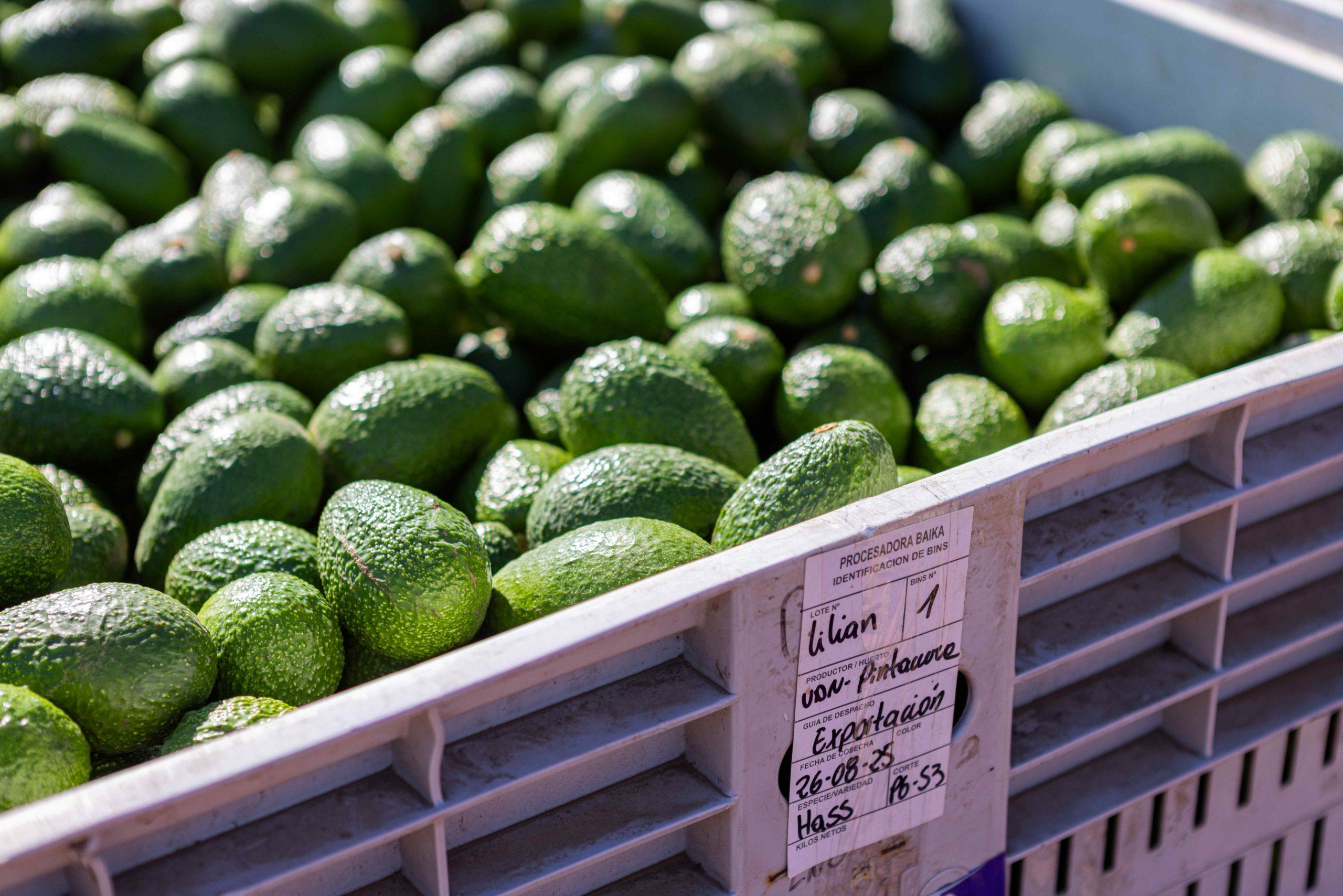
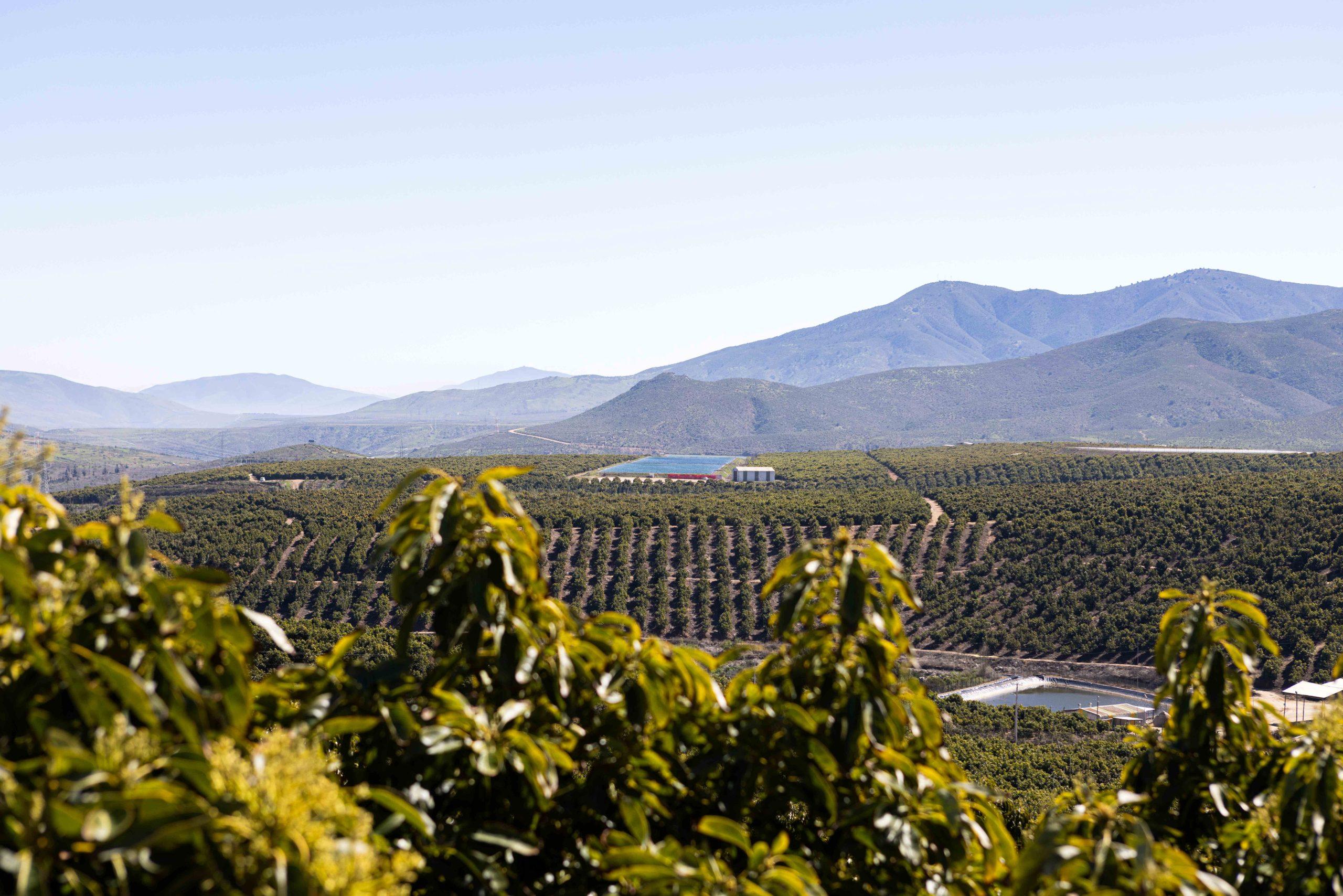
From the fields in the northern region, projections are optimistic. Their operations manager, Gabriel Tirado, anticipates that “in the Pintacura field we expect to exceed 2,500,000 kilos harvested, with at least 60% of the fruit destined for export.”
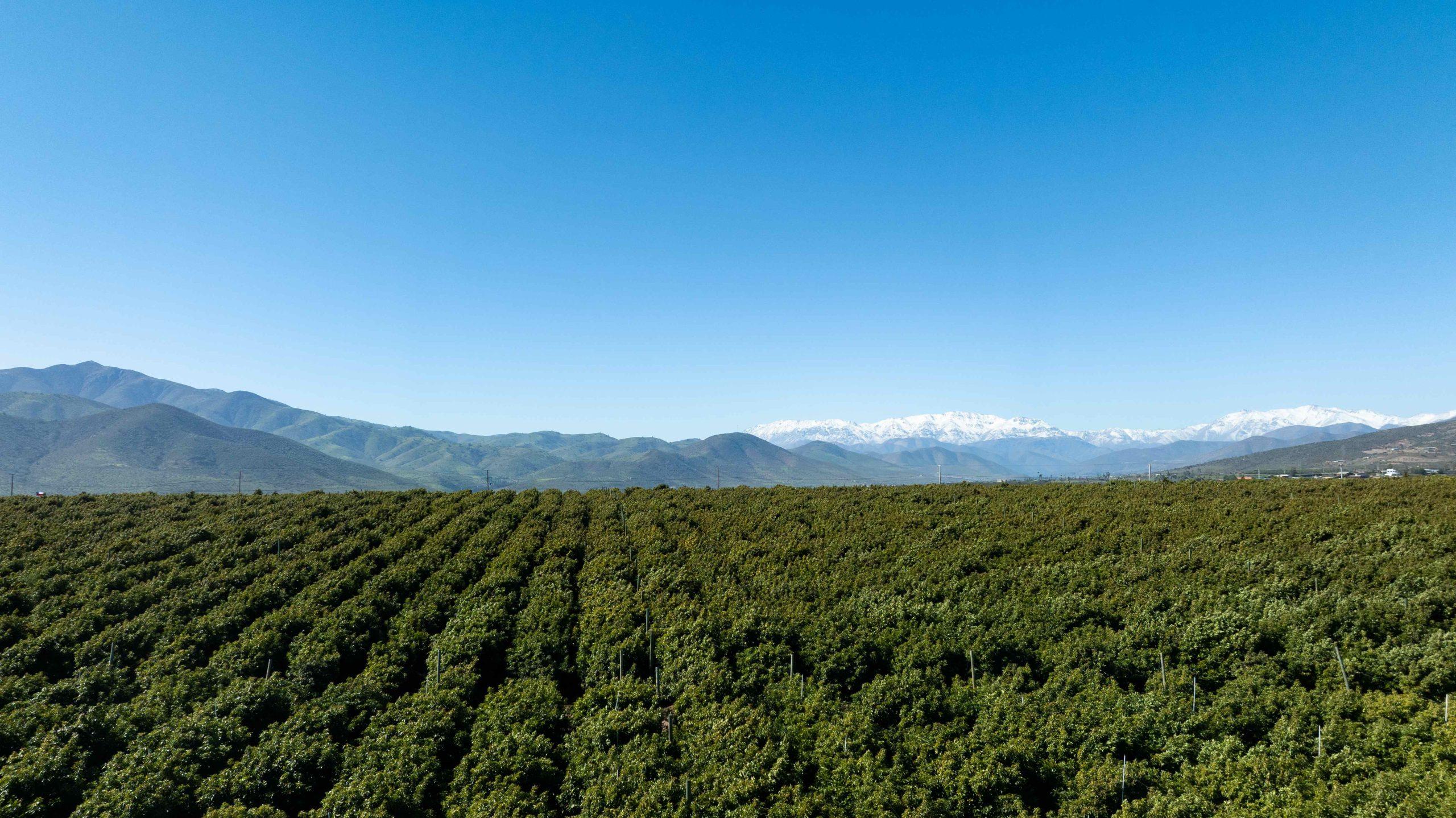
Tirado highlights the role that water recovery has played in these results. “After several years of drought, the last two years of increased rainfall have allowed us to recover agricultural productivity, and even better, with high-quality, large-sized fruit,” he states.
Baika's technical team has paid special attention to harvesting at the right time, seeking ideal levels of ripeness. "We are planning and distributing the harvests based on the sizes demanded by each destination, and complying with all the certifications required for the countries to which we will export," he adds.
In an increasingly competitive global environment, Baika is committed to strengthening the image of Chilean avocados as a reliable, high-quality product. “At the national level, we believe that the quality of this year’s harvest shows a significant improvement compared to previous years, a result of better accumulated rainfall,” says Tirado.
The manager also highlights the improvements implemented in Baika's fields: "We have adjusted our technical management, focusing on plant health, root development, maintaining oxygenated soils, and being better prepared to face frosts thanks to the investments made."
With these advancements, Baika faces the 2025-2026 season with optimism despite a more challenging market. “We are seeing very good quality fruit, with attractive sizes and a more robust production. Everything indicates that Chile is once again positioning itself strongly in international markets,” Lante concludes.