Expanding the avocado farming frontier in different production areas of Chile
San José Farms SpA began operations in 1989 in the Araucanía Region, pioneering blueberry cultivation in Chile. Over time, the company has diversified its production and now has more than 4,000 hectares planted throughout the country. Avocado is the main crop, with 2,000 hectares of mature and developing orchards, followed by 450 hectares of citrus (mandarins, lemons, and oranges), 340 hectares of blueberries, 226 hectares of walnut trees, and the remainder distributed among hazelnut trees, almond trees, vineyards, and cherry orchards.
Under its BAIKA brand, the company maintains avocado fields in regions IV, V and VI; mandarin crops in regions IV and V; lemons in regions V and VI; and deciduous fruit trees in the south of the country: walnut trees in the Maule Region (VII) and cherries, blueberries and hazelnuts in the Araucanía Region (IX).
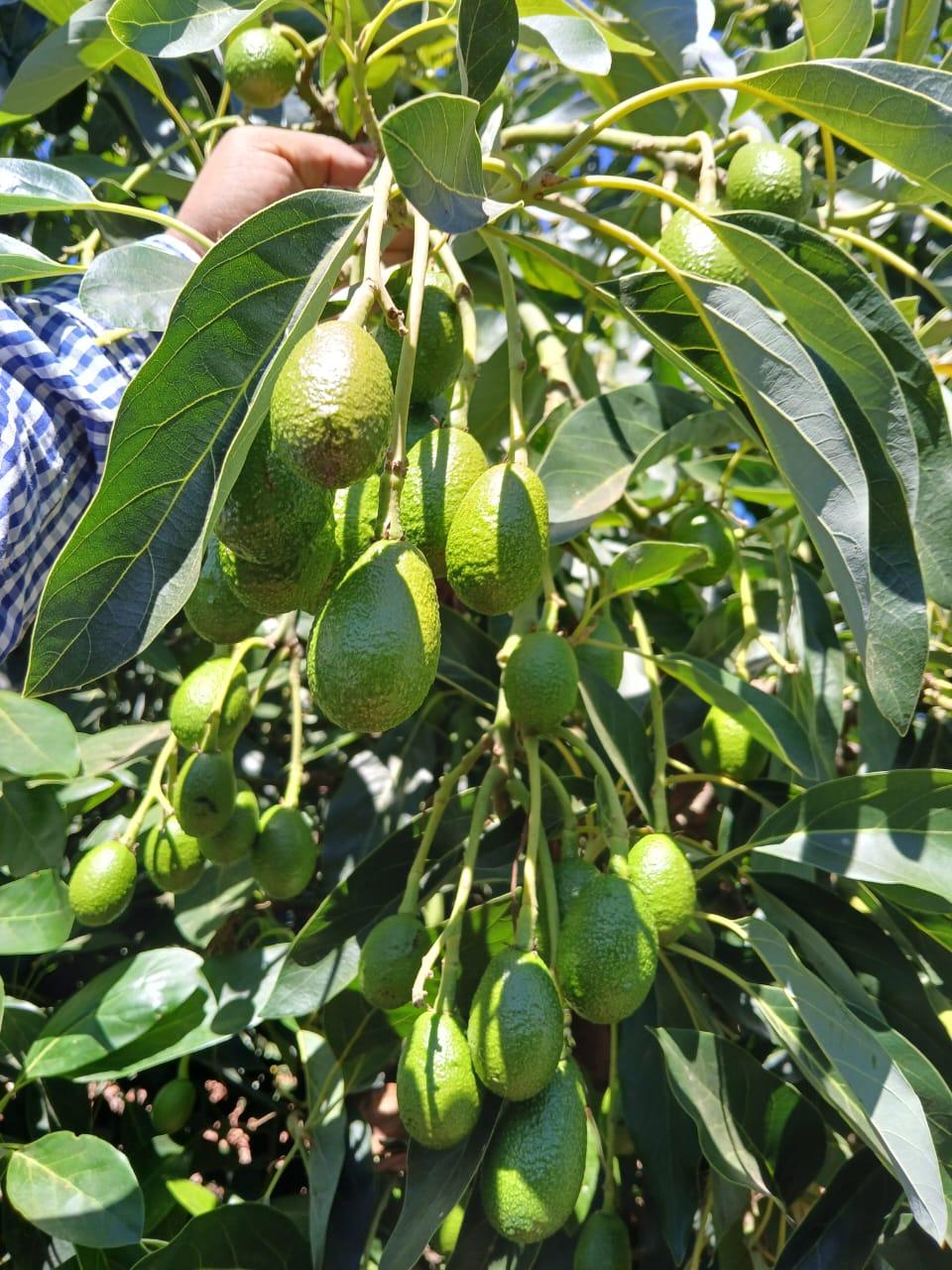
The Hass variety, the most widely cultivated worldwide, was developed in California by Rudolf Hass, who planted the first tree in 1926 and patented the variety in 1935. In Chile, the first Hass avocado trees were introduced in 1949, establishing themselves on the slopes of the Andes Mountains. Since then, cultivation has spread throughout various regions of the country, becoming the leading commercial variety.
Traditionally, avocado production was concentrated in the Valparaíso Region, particularly in the Quillota-La Cruz and La Ligua-Cabildo valleys. It also expanded to the Metropolitan Region and the Coquimbo Region. These areas offered optimal climate and soil conditions, mostly of granitic or basaltic origin, which, with proper management, favored the development of the crop.
However, water scarcity and the search for new lands have driven the expansion of avocado cultivation into the south-central part of the country, from the O'Higgins Region (VI) to the Biobío Region (VIII). This new agricultural frontier presents opportunities, but also challenges: soils with limited oxygenation and drainage, and a colder, rainier climate for part of the year.
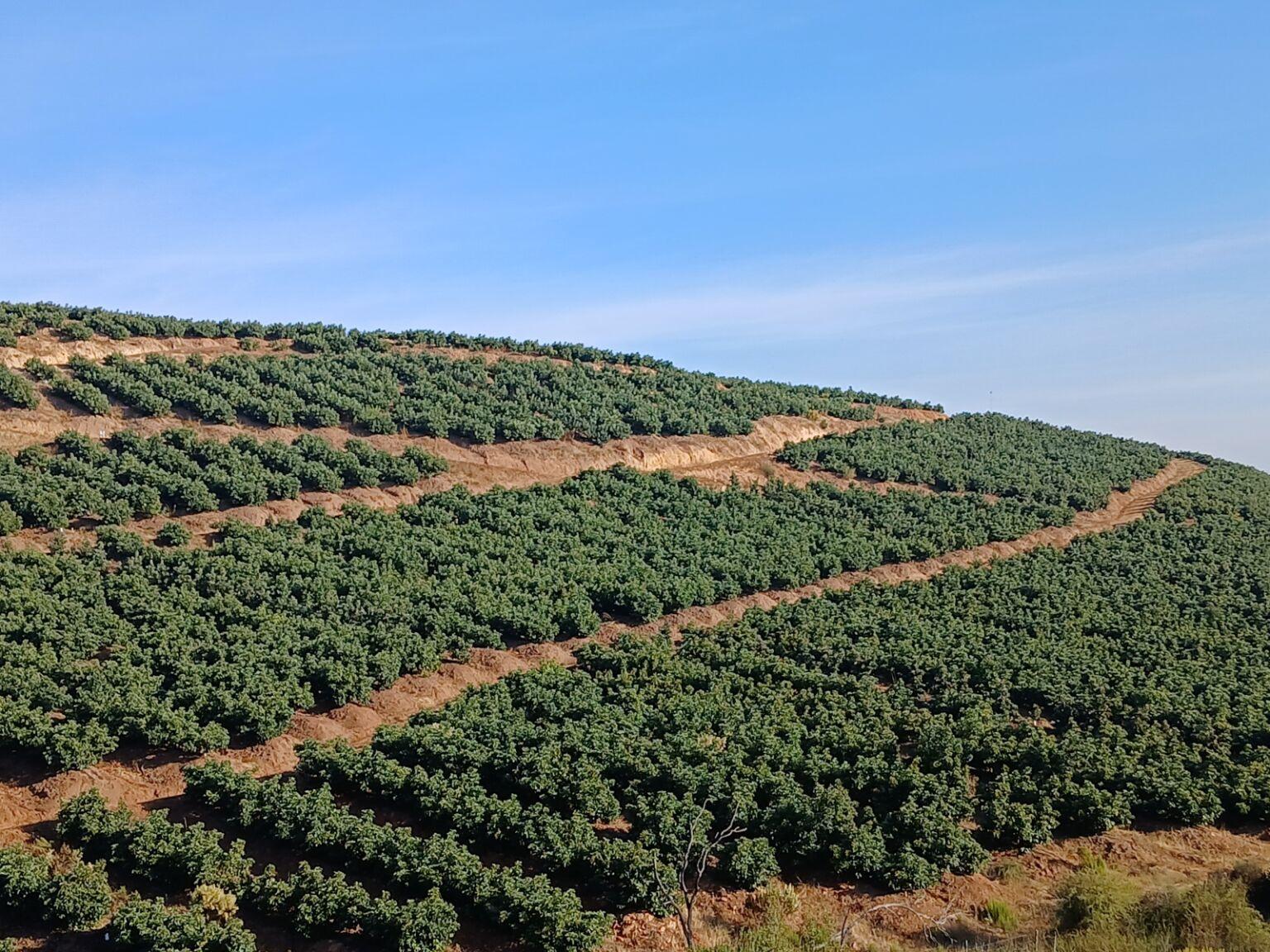
BAIKA, with experience in traditional growing areas such as Cabildo (Region V) and Illapel (Region IV), has invested in new projects in the municipality of Santo Domingo (Region V) —“Valle Leyda”— and in the municipality of Litueche (Region VI), with the “Alicura” and “Huertos de Ucuquer” (HdU) projects. Currently, 85% of its avocado acreage is located in non-traditional areas, and the company plans to continue expanding in these new territories.
These areas present challenging soil and climate conditions. In Litueche, annual rainfall can reach 600 mm, and in Santo Domingo, it can reach 400 mm in rainy years. This greater presence of water necessitates special attention to drainage design. However, there are also advantages: Alicura and HdU are located only 20 kilometers from the sea, giving them a strategic location with a lower risk of frost and extreme temperatures, as well as maintaining a relative humidity above 50%, conditions similar to those of the southern coast of the country. In the case of Valle Leyda, despite the high salinity level of the Maipo River, the use of a reverse osmosis plant allows for efficient water resource management and the production of late-harvest fruit, ideal for the local market.
The avocado evolved in Andisol soils—derived from volcanic ash—which have high macroporosity (around 46%), good drainage, abundant organic matter, and an acidic pH between 5.0 and 6.0. When removed from this natural environment, it is common to find deviations from the ideal growing conditions, in a context where the availability of quality agricultural land and water is increasingly limited.
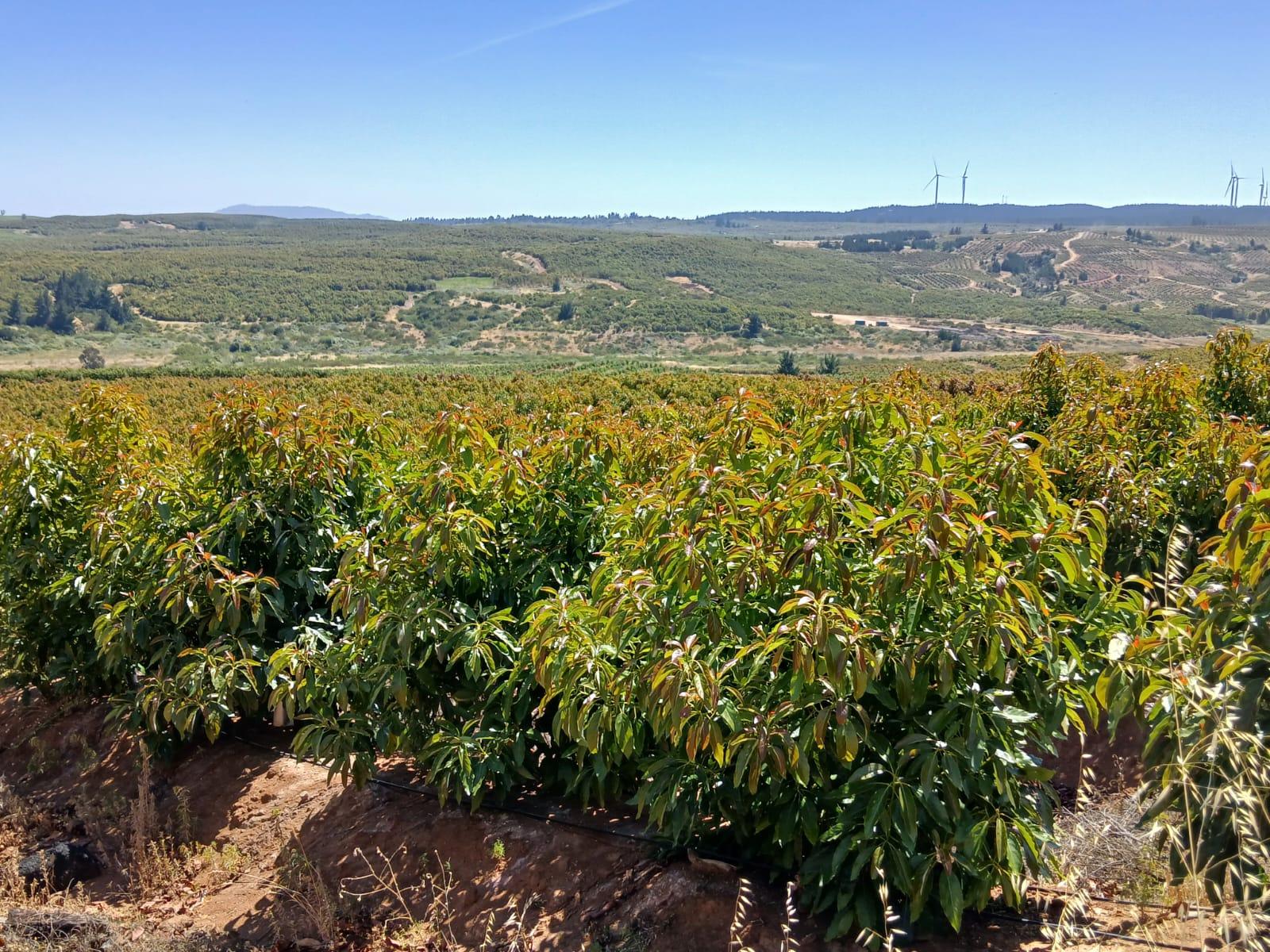
When evaluating an agricultural project, the availability of water, land, and climate are usually considered. However, insufficient attention is always paid to the physical, chemical, and biological properties of the soil, which are crucial for crop yield. It is essential to identify the differences compared to the avocado's original environment, quantify them, and plan accordingly. Often, rushed implementation without a prior land assessment leads to problems that emerge after the fifth year of planting.
The same grower can obtain radically different yields in two fields simply due to differences in soil aeration. A field with more than 25% air content can triple the production of one with less than 10%. Given this scenario, BAIKA has increased its use of the Dusa clonal rootstock, recognized for its greater tolerance to heavy soils and root-asphyxiating conditions.
BAIKA's strategy focuses on efficiency and sustainability. "We don't invest more than necessary in what we know won't make a difference," the company states. Their goal is to increase productivity through more conscious agriculture, prioritizing soil health and enabling them to produce "more with less." Their motto clearly summarizes this: " Back to basics . "