Technology and expansion
HPP gains ground in Africa with a focus on added value
Hiperbaric is driving its expansion in Africa, where HPP technology opens up opportunities to process at the source, extend shelf life and improve export competitiveness.
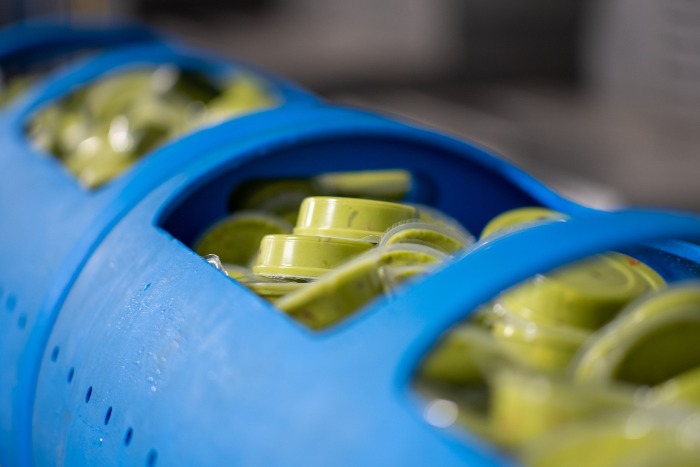
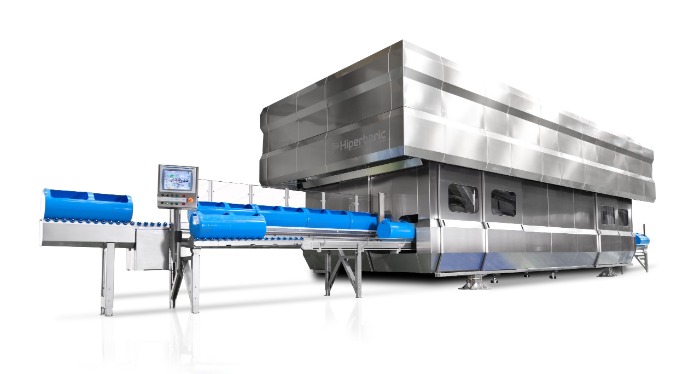
The international expansion of HPP (High Pressure Processing) technology is beginning to solidify new opportunities in emerging markets, particularly in Africa, where productive development and the need to add value at the source are creating space for its adoption. This is the view of Pedro Artola García, Commercial Manager for Europe, the Middle East, and Africa at Hiperbaric, who highlights the potential of these regions within the company's global strategy.
In Europe, the technology has shown sustained growth, driven by the company's strong presence in Spain and a solid customer base that has allowed for expanded production capacity. "The European market has grown steadily, thanks to our strong presence in Spain and the references we've built up over the years," explains Artola. He adds that both new customers and companies already using this technology have fueled its expansion: "Those who have been working with it longer can expand their capacity with larger machines."
Currently, Hiperbaric has over 450 machines installed worldwide, approximately 25% of which are in Europe, and holds around 60% of the global market share. Its main market remains the United States, followed by Europe, while Asia has positioned itself as the fastest-growing region in recent years due to its high population density and the expansion of the middle class, which largely consumes high value-added products.
From local consumption to value added at the source
One of the clearest examples of the impact of HPP can be seen in the avocado industry. The adoption of this technology marked a turning point by enabling the global marketing of high value-added products, especially guacamole. “While just a few years ago this food was limited to local consumption, today it is present in supermarkets all over the world,” Artola points out.
This change has been made possible by the characteristics of the process. “HPP inactivates pathogens and enzymes without heat, maintaining the bright green color and natural flavor for up to 60 days under refrigeration,” he explains. Furthermore, it allows the product's nutritional properties to remain intact, eliminating the need for chemical additives.
In this scenario, Africa emerges as a key emerging market, especially given its role as an avocado producer. Technology allows the fruit to be transformed into high-quality products like guacamole or pulp before export, multiplying the added value within the continent. “This enables producers to process and market finished avocado products, instead of just exporting the raw material,” he states.
Within the continent, countries like Morocco, Kenya, and South Africa stand out for their potential, driven by their geographic location, industrial development, and logistical infrastructure. Morocco, in particular, has shown sustained growth in recent years, favored by its proximity to Europe.
A concrete example is the collaboration with the company Westfalia, which has opted to process its milk in South Africa using HPP technology. According to Artola, this case demonstrates that “processing at the source with Hiperbaric equipment is viable and profitable,” especially for accessing demanding markets such as Europe and the United States.
Adoption, challenges and projection
Despite these opportunities, Africa remains the region with the fewest HPP equipment installations. In response, the company's strategy focuses on bringing the technology closer to local businesses by participating in conferences and showcasing success stories from other regions.
In that vein, Hiperbaric will be present as an exhibitor at the Africa Avocado Congress, which will take place in Nairobi, Kenya, between May 27 and 30, as part of its effort to promote the knowledge and adoption of this technology on the continent.
From the food industry's perspective, HPP technology offers concrete advantages in terms of added value, shelf life, and access to exports. "It provides significant added value, extending the product's shelf life while maintaining its original freshness and flavor," Artola points out, highlighting its impact on products like avocados.
Furthermore, technology helps improve companies' competitiveness by allowing them to access new markets while maintaining quality and food safety standards. "We offer our clients the opportunity to reach more countries and markets while preserving the natural properties of their product," he states.
In parallel, its impact on sustainability is reflected in the utilization of perfectly usable parts that would otherwise be discarded for commercial purposes due to aesthetic or size reasons. HPP allows for the full utilization of these products with the added advantage of using them to create a higher value-added product.
Looking ahead, the company projects a gradual adoption of HPP technology in Africa and the Middle East. “Once the technology becomes more widely known, more companies will consider incorporating it into their processes,” Artola predicts. In that scenario, he adds, it will be possible for “African companies to control the entire avocado production process, distributing the product in its final packaging.”