


Climate risk management
How to protect avocado orchards from El Niño in Colombia
Colombia curbs drought and heat in avocados with plant covers, water reservoirs, foliar protectors and stress-relieving nutrition.
The potential return of El Niño during the second half of 2026 has raised concerns in various agricultural sectors. In the case of avocado cultivation, a sector in which Colombia has more than 42,000 hectares of land , climate projections paint a particularly complex picture due to rising temperatures, reduced rainfall, and water stress that avocado orchards could face.
According to David Santiago Calle Velásquez , agronomist and production analyst for fruits and exotics at CI Uniban SA , these conditions have a direct impact on the physiology of the trees, affecting key processes such as flowering, fruit development and the productive capacity of the orchards.
"In plots that are in advanced stages of flowering or fruit filling, the drop can skyrocket. In severe situations, losses can reach 50% or 70% of production," warns the specialist.
Why is El Niño a threat to avocado orchards?
Recent experience reinforces this concern. During the El Niño event of 2023-2024, Colombia experienced exceptionally high temperatures, reaching nearly 40°C in various regions. This year, forecasts from the Institute of Hydrology, Meteorology and Environmental Studies (IDEAM) indicate a high probability of a new climatic event developing, with an intensity that could range from moderate to strong.
How does water stress affect production?
Among the recommended measures to reduce the impact of water stress, proper management of soil vegetation cover stands out. Leaving areas completely unprotected during periods of high radiation can accelerate moisture loss and raise soil temperature in avocado orchards.
An efficient alternative is to control weeds in bands and use the plant debris as mulch around the trees. This practice helps reduce evaporation, conserve moisture, and create more favorable conditions for root development.
Soil condition plays a crucial role in a crop's ability to withstand prolonged periods of drought. Therefore, it is recommended to conduct regular analyses to identify physical limitations, nutritional imbalances, or structural problems that could affect plant yield.
In this context, organic matter takes on special importance. Soils with higher levels of biomass have a better water retention capacity, promote biological activity, and contribute to maintaining a more active root system under stress conditions. Compost, organic fertilizers, and properly managed plant residues can become strategic tools for improving the resilience of avocado orchards.
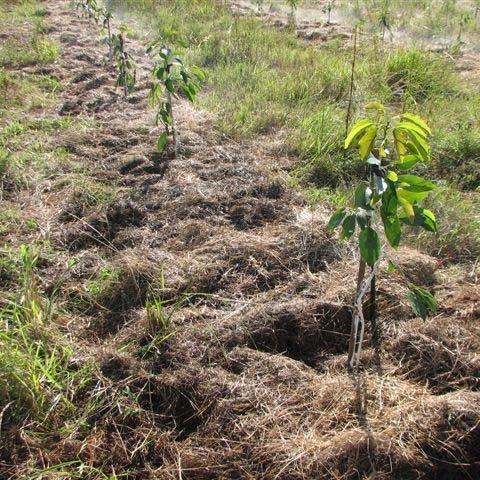
Management of plant cover and soil conservation in avocado orchards affected by droughts in Colombia.
Other measures to mitigate the effect of El Niño on orchards
Another recommended practice is the incorporation of humic and fulvic acids into management programs. While not a complete solution to drought, these compounds can promote root development and improve nutrient availability, strengthening the crop's ability to respond to adverse conditions.
The structure of the canopy also influences the tree's tolerance to high temperatures. Excessively open canopies can leave leaves and fruit exposed to high levels of solar radiation, increasing the risk of sunburn and heat stress. In this context, proper pruning helps maintain a balance that promotes the tree's natural self-shading, protecting the most sensitive parts during periods of intense heat.
The use of foliar-applied sunscreens or reflectors has become increasingly important in areas with high radiation. These products help reduce the surface temperature of leaves and fruit, decreasing the incidence of damage associated with extreme sun exposure in avocado orchards.
Among all the variables involved in crop management during El Niño events, water availability remains one of the most critical aspects. Water availability allows for the maintenance of essential physiological processes and reduces the risk of production losses.
Furthermore, nutritional strategies also require adjustments in response to water deficit scenarios. Maintaining sufficient nutrient reserves allows plants to better cope with the physiological demands associated with high temperatures and reduced water availability.
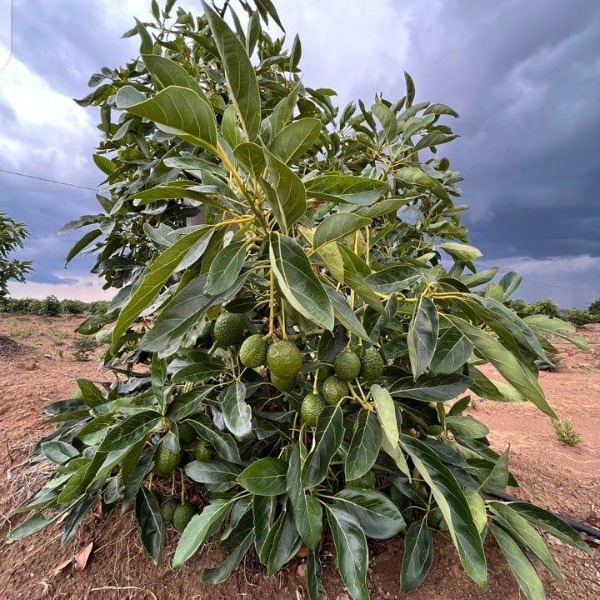
Strategic reservoirs are essential for irrigating avocado orchards during dry seasons.
"Soil, water, nutrition, canopy management, and moisture conservation have to work as a system. And while the climate cannot be controlled, it is possible to prepare the crop to respond better," explains the agronomist.
Facing a potential Super Niño event requires a comprehensive approach to agronomic management. Moisture conservation, soil health, water availability, nutrition, and tree architecture must all work in a coordinated manner to increase the resilience of avocado orchards.




