Daniel Benavides Araya
The biodiversity that inhabits an avocado forest
Chili
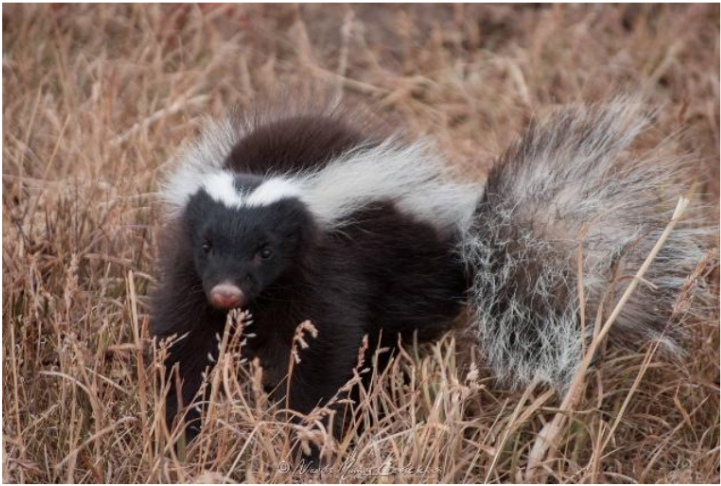
A few months ago, one of the camera traps installed in an avocado orchard in Valle Leyda captured an unexpected visitor. A chingue ( Conepatus chinga ), a native species rarely seen, appeared in front of the lens and, unbeknownst to it, ended up becoming one of the protagonists of a much larger project.
The image might seem like a simple anecdote. However, behind it lies a question that is increasingly relevant to modern agriculture: how do our production systems interact with the nature that surrounds them?
For years, the debate on agriculture and the environment has focused primarily on impacts. This is a necessary conversation. But today we face an additional challenge: understanding how production systems can also actively contribute to biodiversity conservation and ecosystem resilience.
With this objective, Paltas de Chile, together with Cazalac—an organization sponsored by UNESCO—is conducting a study on Hass avocado farms in the Coquimbo, Valparaíso, Metropolitan, and O'Higgins regions. The initiative seeks to generate scientific evidence on the relationship between the orchards and their natural environment, identifying species present, areas with ecosystem value, and potential conservation areas.
The preliminary results are encouraging. In addition to recording native wildlife, the teams have identified areas that function as biodiversity refuges and ecological corridors within productive landscapes. The presence of species such as skunks, foxes, or Darwin's long-eared mouse does not, in itself, constitute a definitive conclusion, but it is a valuable indicator. It suggests that these territories maintain conditions that allow for the presence of native fauna, promote ecological connectivity, and provide relevant information for a better understanding of the dynamics of the ecosystems where agricultural activity takes place.
This work is part of a vision that is increasingly relevant for the global agri-food sector: the Nature Positive approach. More than simply reducing impacts, this paradigm proposes moving towards systems capable of protecting, restoring, and strengthening the natural capital upon which food production itself depends. And at Baika, we are working towards this goal in all our agricultural operations.
Biodiversity is not an abstract concept for agriculture. The ecosystem services associated with it—such as pollination, biological pest control, soil health, and water regulation—are fundamental elements for long-term productivity and resilience.
Along with biodiversity monitoring, the project is also exploring an innovative dimension: the preliminary measurement of atmospheric CO₂ within avocado forests and associated natural areas. Although this line of research is still in its early stages and requires further analysis, it represents an opportunity to generate new knowledge about the interaction between fruit crops and their environment in the context of climate change.
Rather than providing definitive answers, this study seeks to build evidence. Because in sustainability, convictions are important, but data is indispensable.
Perhaps that's why the photograph of the chingue (a type of skunk) is so symbolic. Not because an image allows us to draw hasty conclusions, but because it reminds us of something essential: agriculture and nature are not separate realities. Better understanding this relationship is one of the great challenges of our time, and also one of the greatest opportunities to build a more resilient, competitive agriculture that is aligned with the expectations of markets and society.
The future of sustainable agriculture will not be built solely on producing more. It will also depend on our ability to understand, measure, and value what happens between crops and what often remains hidden from view.
- Screenshots from the video referenced in the article
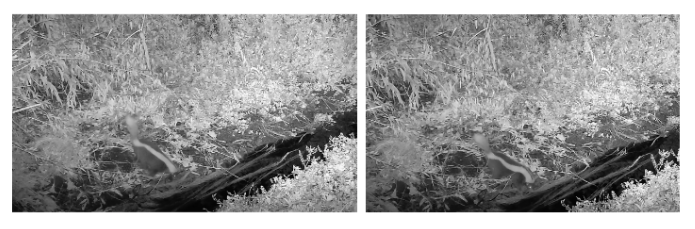
- Photos of Chingue
https://informetierra.cl/galerias/mamiferos-nativos/
Daniel Benavides Araya
HSE & Sustainability Assistant Manager
Baika Chile