Tiago Falanghe Carvalho: “The growth potential of the Brazilian Hass avocado is very large”
The commercial director of Avocado Jaguacy Agroindustria Ltda. addresses the key challenges facing the Hass avocado industry in Brazil, from improving quality standards and opening new international markets to developing local consumption.
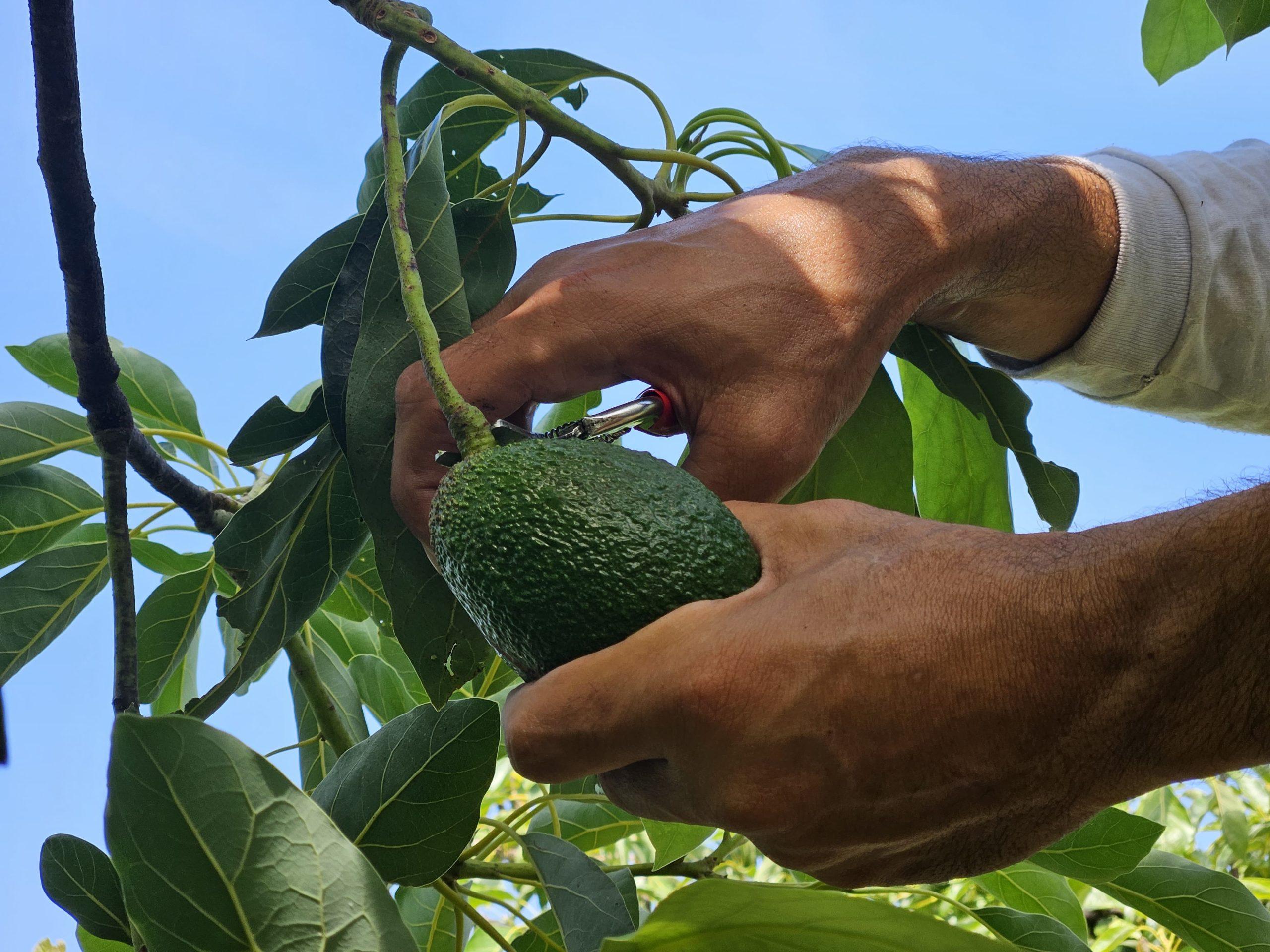
In Brazil's agricultural landscape, avocado production has emerged as a growing industry, driven by pioneering companies like Avocado Jaguacy Agroindustria. Founded 54 years ago by Paulo Roberto Leite de Carvalho, it has evolved from its beginnings focused on tropical avocados to become a crucial player in the global Hass avocado market. Today, under the commercial leadership of Tiago Falanghe Carvalho, the founder's son, Avocado Jaguacy stands out for its capacity for innovation and expansion.
Tiago comments that “the growth in avocado production in Brazil will have a very large impact on the industry.” This forecast is supported by figures that are not yet readily apparent in formal statistics, with many farms of between 20 and 50 hectares gradually contributing to the Brazilian industry.
When Avocado Jaguacy began its international operations, it had 120 hectares. Today it owns 1,200 hectares, distributed across three different regions of Brazil.
The company's structure focuses not only on production but also on technological innovation.
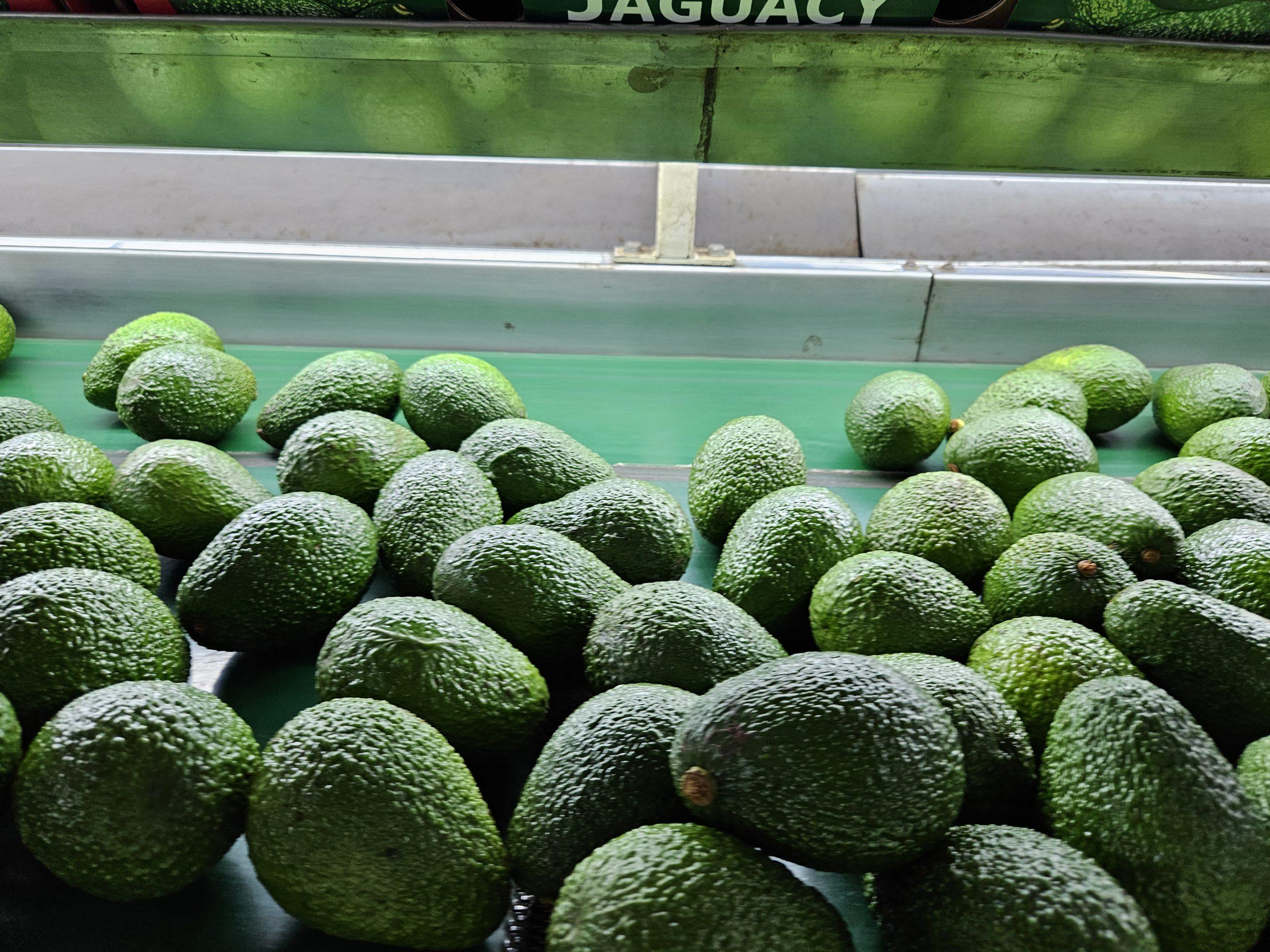
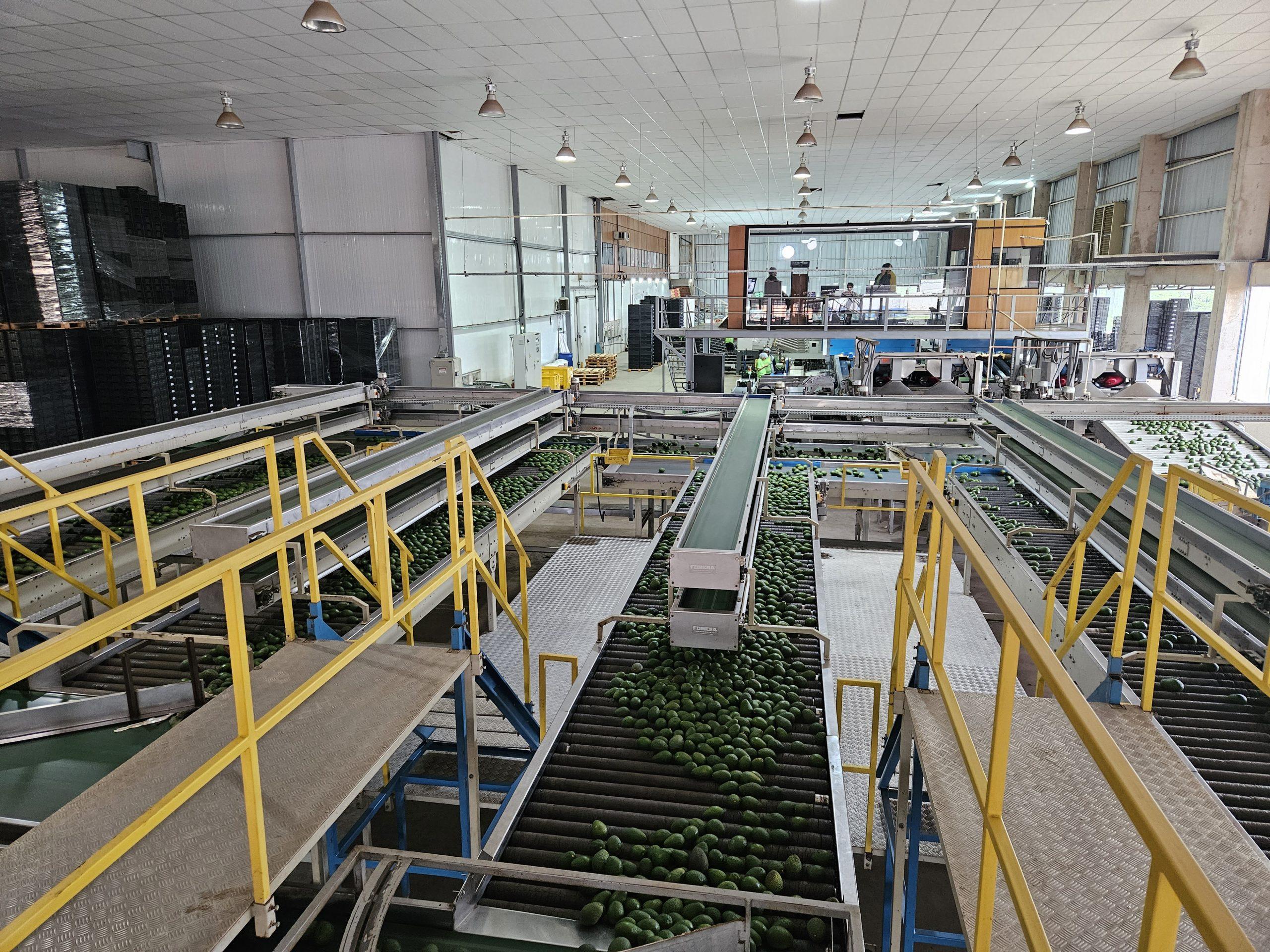
“During this process, we added other producers and we have an avocado pulp factory, avocado oil and a modern packing facility, which has the capacity to ship 30 containers per week,” Tiago explains.
The company's growing areas are strategically located to maintain continuous production. In western São Paulo, the early Hass avocado harvest takes place between February and May. In the regions of Minas Gerais, Paraná, and southern São Paulo, the season runs from April to October. "That's where the greatest growth in avocado cultivation in Brazil has been observed," explains Tiago.
Finally, in Rio Grande do Sul, a late harvest extends from July, with the goal of covering until September.
Despite increasing production, the local market for Hass avocados in Brazil is almost nonexistent. Of the 30,000 tons produced, 25,000 are exported, while domestic consumption focuses on tropical avocados, with an annual production of 200,000 tons, most of which remains in the country.
The main markets for Brazilian Hass avocados include Europe, Argentina, and Uruguay, with a notable preference for the Argentinian market due to less stringent certification requirements compared to Europe. But in Jaguacy's case, the focus is on Europe.
“We export mainly to Europe, in addition to sending some volumes to Canada and Morocco. We’ve also shipped to the United Arab Emirates, but it’s a very distant market,” Tiago explains. Most of the fruit leaves from the Port of Santos, with average transit times of 20 days to Rotterdam and 18 days to Algeciras, Spain.
In this interview with Avobook, Tiago Falanghe Carvalho offers us a profile of the Brazilian industry and its enormous growth potential.
- What are the main characteristics of the Hass avocado from Brazil?
“What we’re seeing is what importers tell us: Brazil’s tropical climate brings both advantages and disadvantages compared to other origins. One advantage is the flavor, and the disadvantage is the potential for aesthetic damage. There are pests and winds, which means it’s not as visually appealing as fruit from Peru or Chile. That’s why, when it comes to early-season fruit, importers are preferring Brazilian fruit for its flavor compared to early-season fruit from other origins. Then, the later-season fruit from our Minas Gerais region, for example, turns black, very similar to South African fruit and somewhat like Peruvian fruit.”
- When did exports begin in Brazil and how has the growth been?
“Shipments to Europe began in 1981, when my father was running the company alone. The growth was organic, because for a long time it was just the two of us. But today Brazil has between 7,000 and 9,000 hectares planted with Hass avocados. In other words, it's going to experience explosive growth in its shipments to Europe, because, with no local market, the only current option for exporting this avocado is to expand into Europe.”
- And what about Latin American markets?
“Argentina is close, but there’s a limit of 20 to 25 trucks that can be received in that country due to the presence of other origins. But Brazil has the capacity to process 130 containers per week, and those 100 will have to go to Europe during March, April, May, and now, June, July, and August are added. Soon, new packing facilities will be added, because as more fruit is requested, the companies make the investments.”
- To project that growth potential, how many of those crops are recent and how many are older?
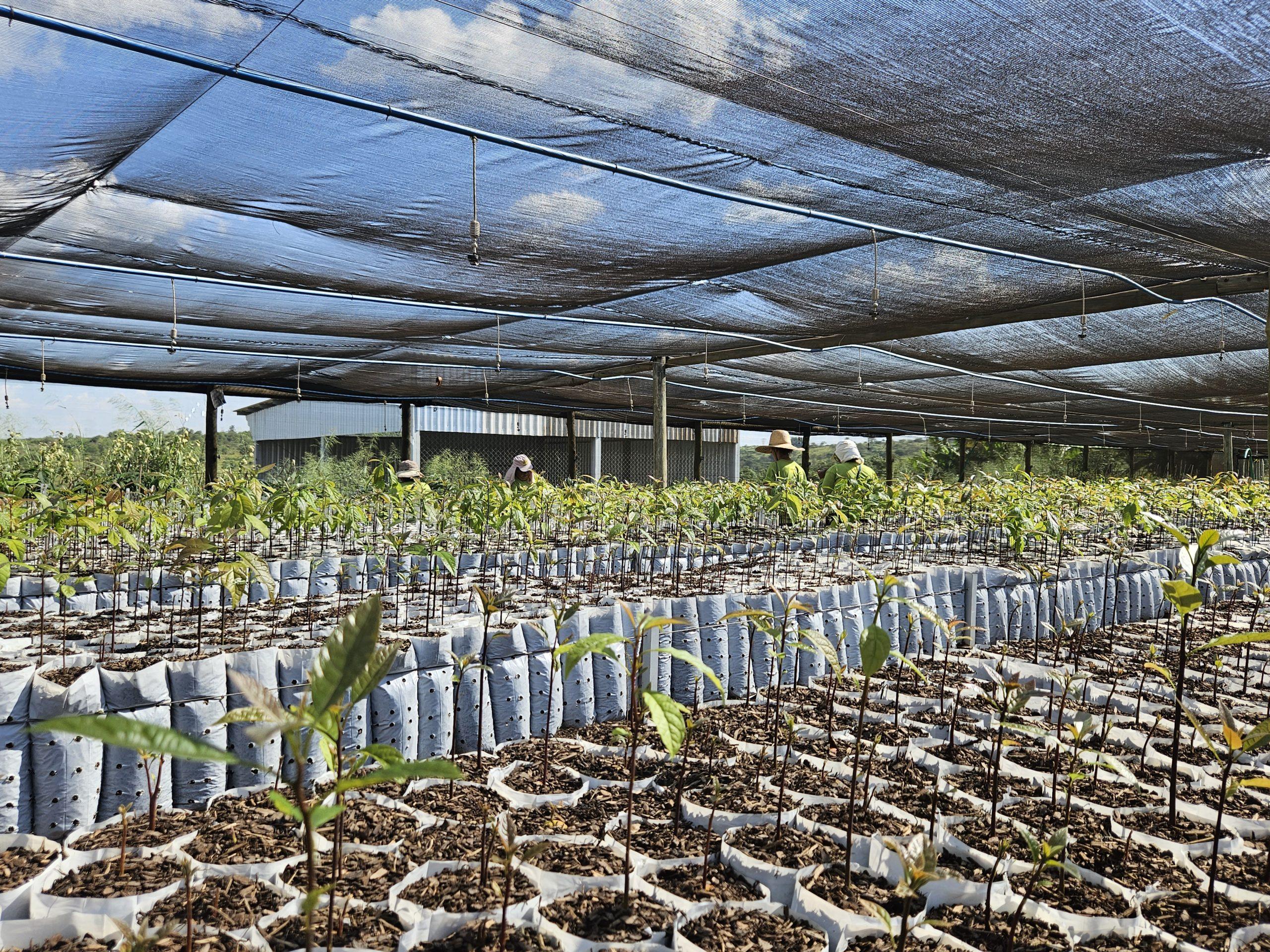
“These are all new crops. We expect around 15,000 tons for the next few seasons, and we'll grow by 50% each year. Planting doesn't seem to be slowing down. For example, we have a 40-hectare nursery with new seedlings that are coming up. We do have one limitation: large markets like Chile or the United States aren't yet open to Brazil. That's why I think that for the next four or five years, Europe will continue to be the main destination.”
- What is Brazil doing to resolve these health limitations and open new markets?
“There are two markets we are fighting to open. One is Chile. Talks between the Brazilian Ministry of Agriculture (MAPA) and the Chilean Agricultural and Livestock Service (SAG) are very advanced. I believe the requirements of both sides have already been met. What we know is that it could open during President Lula da Silva's visit in August. We are close to that. But opening the market is not enough for the entire volume to go to Chile. There are protocols and crop monitoring that must be completed before shipment.”
If that market opens in August, how long would it take for the first shipments of avocados from Brazil to Chile to be made?
“If it opens in August, we’ll be ready to ship in the next campaign, in February or March. Many companies already have the protocol draft, we know what we have to do and we’re prepared. There are about 4 or 5 of us. But those first shipments will be few, one or two trucks, because there’s a lot to learn to grow little by little.”
- And what about the North American and Asian markets?
“The American market was about to open, but some changes in trade negotiations have stalled the process. Japan could open, but not yet in terms of volume. India has opened, but there's a 30% surcharge on foreign fruit. Tanzania could also join, as it doesn't have that disadvantage. But these are distant markets. That's why it would be interesting to invest in growing the Brazilian market, which would give us stability for production growth. For example, Chile developed its local market very strongly. Today, that's not happening in Brazil. If a container has a problem, we don't have local demand. Ideally, we should develop the local market and have other strong markets, like Chile, Argentina, and the United States. China, Japan, and India are more complex.”
- Jaguacy is among the leading avocado exporters. Which other companies share that position in Brazil?
“We produced 12,000 tons last year, out of a total of 25,000. This year it was less, due to the weather. The main exporting companies are Jaguacy, Carlini, Bonella, Tsuge, Brasfruit, Norman, Andrade Sun Farms, and Frutas Wolf.”
- How would you summarize the main challenges facing the Brazilian avocado industry?
“The goal is to raise the overall quality standard and reach higher levels. South African fruit commands a better price than fruit from other origins because its quality has improved. There's ongoing work with the Producers and Exporters Association, but it's still in its early stages. The other challenge is developing the local market. This will alleviate the pressure to sell the fruit. In our case, there are some investments, like the pulp and oil factory, which allows us to send Category 2 or smaller fruit to my factory, thus reducing market pressure.”
- What are the expectations for the end of this campaign?
“This campaign should end earlier. There’s already very little fruit left in Brazil. I don’t see any more room to send fruit to Europe, a destination that ended last week. There are still some shipments to Argentina and Uruguay. The local market, which ends in September, will have little in October, and there will be imports from Chile and Peru.”
- What percentage of the company's revenue does the production of oil and pulp represent?
“The oil is just getting started. But the pulp represents about 8% of the business. It has enormous potential. We've been supplying Mexican restaurant chains in Brazil since 2011, and two years ago we started exporting to Europe using the client's recipe and brand. We've already made some shipments to Chile, taking advantage of the well-established Chilean food service industry.”
- What can be expected from Brazil in the near future?
“The importance of Brazil for the upcoming seasons isn't reflected in the statistics. There are many small plantings of 20, 30, and 50 hectares, which are large for other countries, but for Brazil they're an experiment that will have a significant impact. The challenge is certifying these producers to export to Europe. We, as a purchasing industry, see these crops as a huge opportunity. This will have a major impact on the industry. Many might be tempted to ship without certification, and we must try to prevent that to avoid causing significant damage to our product line.”