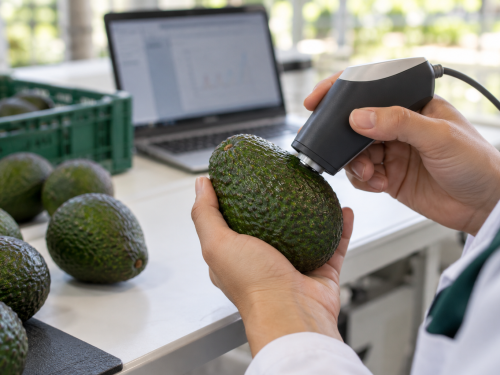
Health, flavor and science: this is how avocado oil is consolidating its position in the world
Avocado oil has become an increasingly sought-after product in both cooking and the cosmetics industry. Its value extends beyond consumer perceptions; it is also backed by international organizations that have defined clear parameters to guarantee its quality. The Food and Agriculture Organization of the United Nations (FAO), through the Codex Alimentarius, has established standards that identify its nutritional characteristics and ensure that products reaching the market meet globally recognized technical criteria.
According to the FAO, avocado oil must be obtained from the mesocarp, that is, the pulp of the fruit, especially in the "extra virgin" and "virgin" categories. To guarantee its purity, the extraction process must be exclusively mechanical, without the use of chemical solvents and at temperatures below 50 degrees Celsius.
Codex Alimentarius analyses show that avocado oil contains between 42 and 75 percent oleic acid, a type of monounsaturated fat known for supporting cardiovascular health. It also provides between 11 and 26 percent palmitic acid and between 7 and 19 percent linoleic acid, both essential for the body.
At the physicochemical level, the FAO establishes that the oil must have a relative density between 0.910 and 0.920 at 20 degrees Celsius and a refractive index between 1.458 and 1.470 at 40 degrees Celsius. It also sets an iodine value between 78 and 95, parameters that allow verification of its authenticity and stability.
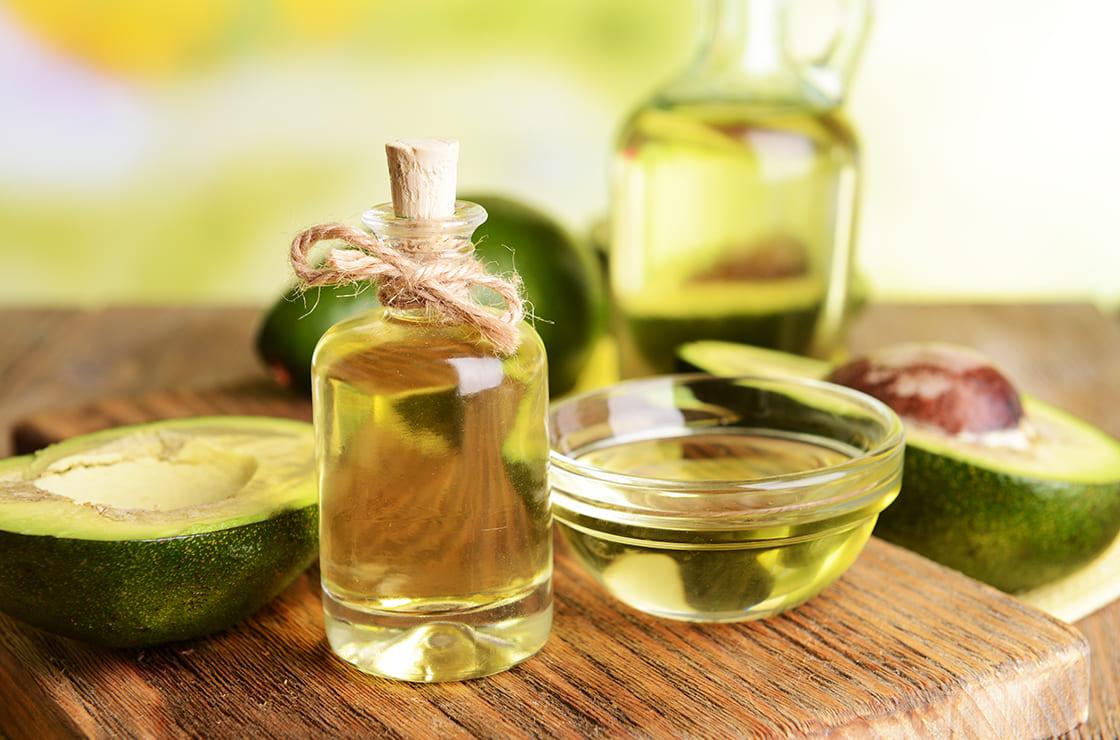
Sterols and vitamin E: allies of health
Avocado oil is also notable for its richness in plant sterols. According to the FAO, beta-sitosterol represents between 79 and 93 percent of the total, while campesterol contributes between 4 and 8 percent. These compounds are known for their ability to help reduce blood cholesterol levels.
Another key component is tocopherols, better known as vitamin E. The FAO has identified that avocado oil contains between 50 and 450 milligrams per kilogram, a significant amount of an antioxidant that protects cells against oxidative damage and contributes to the proper functioning of the immune system.
Thanks to its composition, avocado oil has become a recognized health ally. Its high proportion of monounsaturated fats helps control LDL cholesterol levels, known as "bad" cholesterol, while promoting an increase in HDL or "good" cholesterol. Scientific studies also suggest that it may contribute to lowering blood pressure and promoting heart health.
In the kitchen, its high smoke point—close to 250 degrees Celsius in its unrefined version and up to 270 degrees in the refined version—makes it a very stable oil for frying, sautéing, or roasting without losing its properties. Added to this is its mild and versatile flavor, which makes it suitable for dressings, sauces, or even baking.
In the cosmetics industry, avocado oil is used as an ingredient in creams, shampoos, and masks thanks to its ability to moisturize the skin and nourish the hair. Its antioxidants help combat the signs of aging and promote healing, which explains its increasing presence in dermatological and personal care products.
Although avocado oil is relatively new to international markets, the establishment of official standards by the FAO and the Codex Alimentarius marks an important step toward its consolidation. These guidelines offer confidence to consumers and producers, while reinforcing the image of a healthy, versatile product with great growth potential in the coming years.