Agricultural revolution in Pariahuanca: Hass avocado boosts the Andean family economy and conquers global markets
The Vista Alegre Valley Agricultural Producers Association (APAVVAP), comprised of 25 members in Pariahuanca (Junín), has achieved a decisive economic shift by replacing traditional crops with Hass avocados. Their success is based on rigorous food safety and quality certifications, and a business model that supplies everything from social programs like Qaliwarma to the demanding markets of Europe and China, with a reported volume of 40 tons of Hass avocados sold.
In the Vista Alegre annex, in the Pariahuanca district, at an altitude of 2,150 meters, a profound agricultural transformation is redefining the area's economic future. The Vista Alegre Valley Agricultural Producers Association (APAVVAP), comprised of 25 members since 2015, has successfully consolidated a production model based on Hass and Fuerte avocados, which have replaced traditional corn and bean crops.
Esteban Quispecahuana, a producer from the valley and representative of the association, explains that this change was crucial for improving the family's finances. “We used to grow corn and beans, but prices plummeted. Avocados have been like green gold for us; thanks to them, we've been able to improve our homes, our quality of life, and, above all, send our children to colleges and universities,” he says. Karin, a member of APAVVAP, adds: “Today we cultivate 40 hectares of Hass and Fuerte avocados. It's a collaborative effort among 25 members, and it's what sustains our families.”
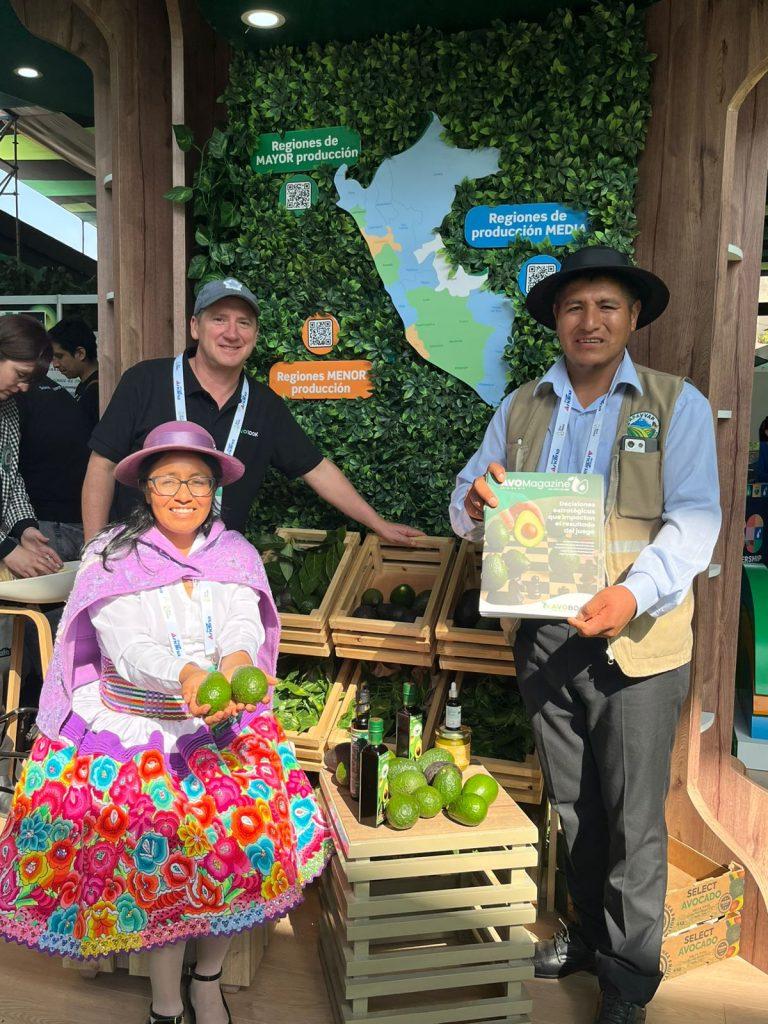
Both producers also highlight the role of the institutions that supported the professionalization of the organization. “Agromercado has been with us from the beginning and today allowed us to be present even at the VII Latin American Avocado Congress, where we are negotiating directly with buyers from different countries,” says Quispecahuana.
APAVVAP's productive growth is based on the consolidation of 40 hectares of avocado orchards in the valley, a figure recorded in their official documentation. They also hold the "Family Farming of Peru" Use License and SENASA certifications that accredit the production site for export purposes.
The association has also received intensive training in food safety, Good Manufacturing Practices, HACCP, and traceability, provided by the FAO, NSF International, and local organizations. These processes have strengthened product quality and enabled producers to meet the demands of international markets.
Commercial integration and expansion into national and international markets
APAVVAP has become a reliable supplier for government food programs. In 2023, it delivered 1,707 kilos of Fuerte avocados to the Municipality of Huancayo to supply 50 educational institutions participating in the Qaliwarma program. In 2025, it supplied 273 kilos to 22 institutions of the Municipality of Chilca within the Allin Mucuna program, in accordance with official distribution guidelines and tables.
At the same time, Hass avocado production has begun to enter the international market. APAVVAP sells directly to exporting companies such as Bee Fair Organic and Profrutos Perú, which distribute the fruit in demanding markets. Category 1 avocados are shipped to Europe and China, while Category 2 avocados go to the Chilean market. In total, the association has registered 40 tons of Hass avocados sold, according to its own report.
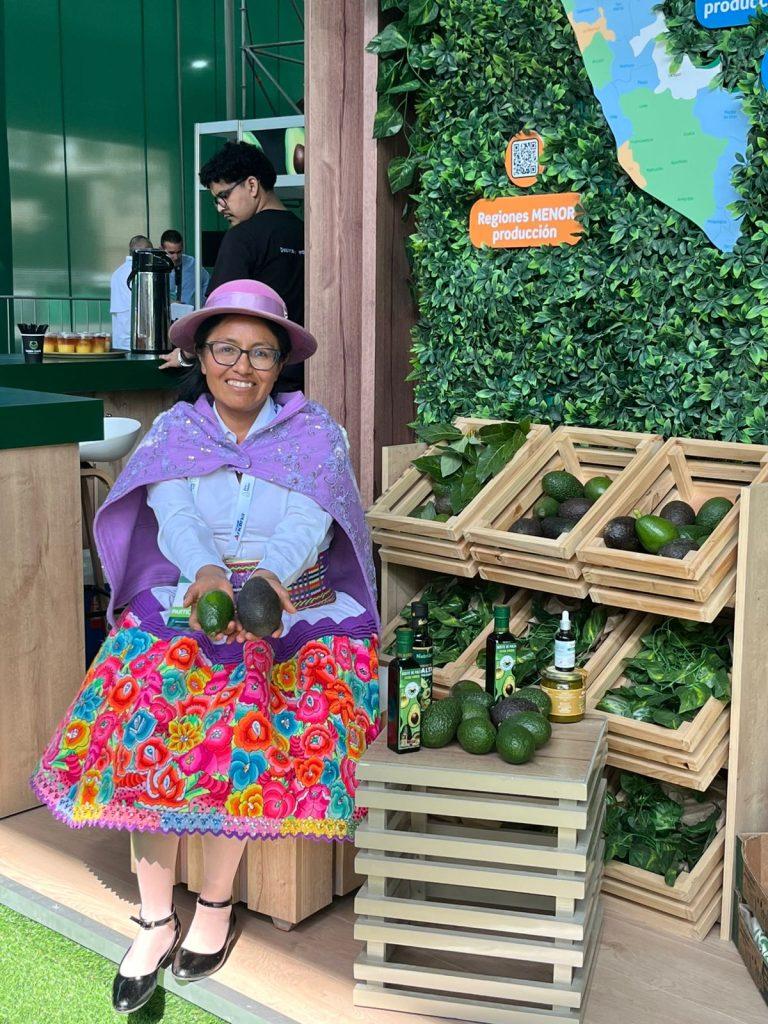
Participation in networking events, such as the 7th Latin American Avocado Congress, has strengthened the association's commercial exposure. For Esteban and Karin, these events represent real opportunities for expansion, as they allow them to negotiate with international buyers and learn about the sector's evolving demands.
The story of APAVVAP demonstrates how community organization, technical training, and formalization can sustainably transform family farming. From Vista Alegre, an agricultural enclave in the central highlands of Peru, producers have successfully integrated into national and international markets without losing their local identity. With 40 hectares under cultivation, official certifications, participation in government programs, and proven export volumes, Pariahuanca avocados have established themselves as a prime example of competitive rural development with global potential.