Record demand: How the Super Bowl makes the avocado the star of the season
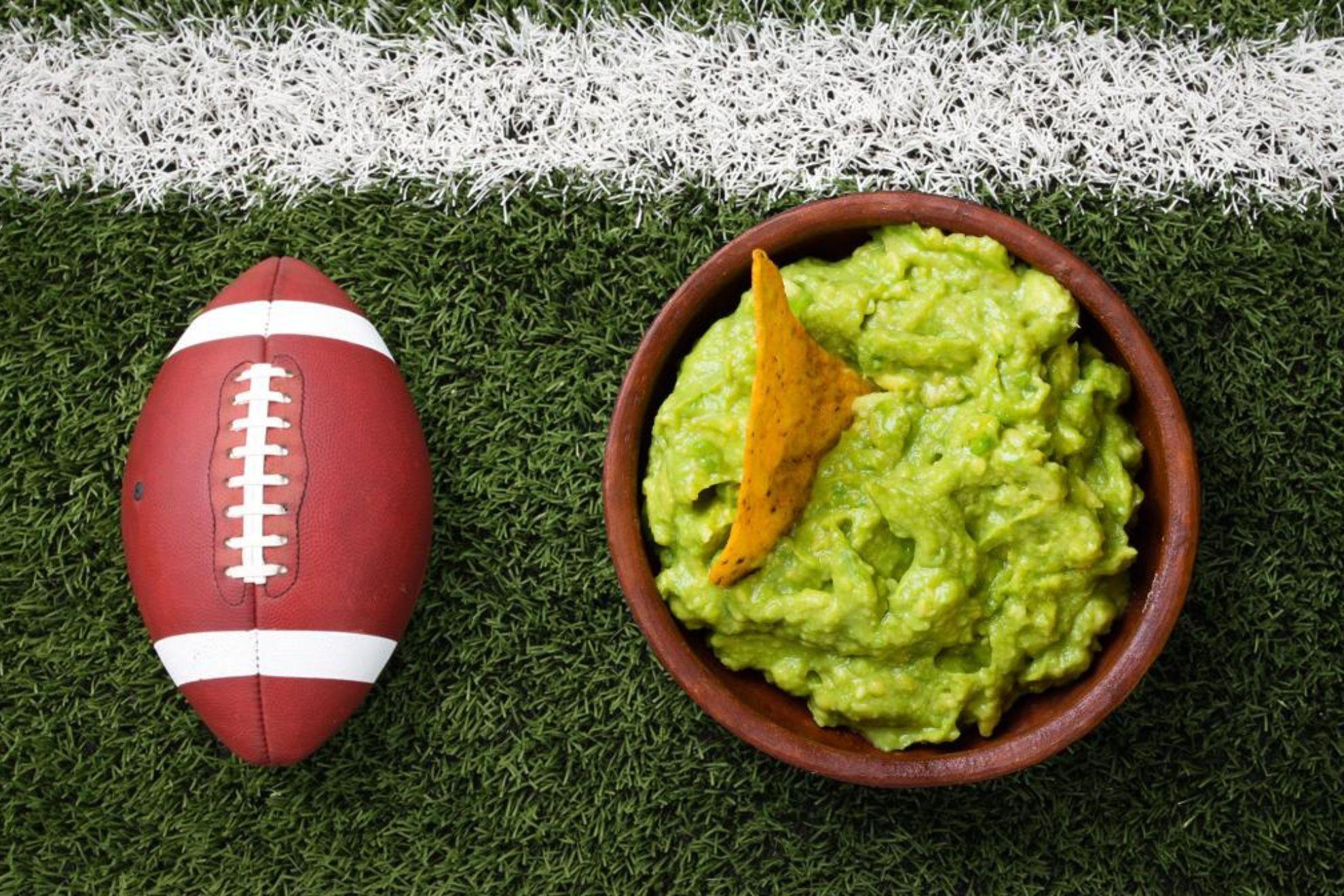
Each year, the Super Bowl not only solidifies its position as the most important sporting event in the United States, but also as a phenomenon that sets consumer trends. One of the products that takes center stage during this event is the avocado, whose consumption reaches record levels.
Avocados, especially in the form of guacamole, are a favorite choice for Super Bowl gatherings. According to data from the Association of Avocado Producers and Packers Exporters of Mexico (APEAM), approximately 110,000 tons of avocados were shipped from Mexico to the United States in the weeks leading up to the 2024 Super Bowl, representing a significant increase compared to previous years.
For its part, the United States Department of Agriculture (USDA) confirms that avocados are one of the most imported products from Mexico during the first quarter of the year, driven mainly by the demand generated around the Super Bowl.
A strong bond between the Super Bowl and the avocado
The relationship between the Super Bowl and avocados began to strengthen in the 1990s, when APEAM launched promotional campaigns targeting the American market. These strategies, along with the growing popularity of guacamole as a snack at sporting events, helped establish a symbolic link between the two.
According to USDA data, Mexican avocados gained a foothold in the U.S. market after the signing of the North American Free Trade Agreement (NAFTA) in 1994, which allowed for the gradual elimination of trade restrictions. Since then, the Super Bowl has become a key driver of the avocado industry, boosting exports and domestic consumption.
The avocado market in the weeks leading up to the Super Bowl
Antonio Villaseñor, an expert in the agribusiness sector and director of Aztecavo, notes that week 4 of 2025 was outstanding, with a volume of 35,739 tons, of which 30,712 were exported to the United States , representing an 86% utilization rate. According to Villaseñor, inventories are at full capacity to supply Super Bowl promotions.
Likewise, the available harvest area for week 4 is nearly 58,000 hectares, guaranteeing stability in volume and supply. However, the size curve remains unchanged, with a higher proportion of medium and small fruit than usual. Villaseñor warns: "It is crucial to monitor changes in the size curve and demand in the coming weeks."
For his part, Sergio Paz, an avocado trade specialist and general manager of Coliman Avocados de México, points out that Mexican exports to the United States have maintained high volumes, with 1,576 shipments sent recently. This has allowed for a gradual recovery of U.S. inventories, which increased by almost 6,000 tons in week 4. However, although supply remains stable, the pace of sales in the U.S. market has been slower than usual, reducing inventory turnover to between three and four days, compared to the normal six to seven days.
Guacamole: the undisputed star
According to market research firm Nielsen, avocado consumption in the United States skyrockets in the weeks leading up to the Super Bowl, with sales levels up to 35% higher compared to the rest of the year. This translates to approximately 3 billion servings of guacamole consumed during the event alone.
Regarding production, Michoacán, Mexico's leading avocado-producing state, is ramping up its shipments to the United States this season. APEAM reports that nearly 80% of the avocados consumed during the Super Bowl come from this region, underscoring the importance of the Mexican avocado industry in the North American market.
On this point, Antonio Villaseñor emphasizes: "Michoacán has managed to consolidate itself as the key supplier for this event. Logistics and product quality are fundamental to maintaining this dominant position."
Economic impact on both nations
The Super Bowl also generates significant economic benefits for both countries. In Mexico, avocado exports during this season represent a key contribution to the agro-industrial Gross Domestic Product (GDP). In 2022, avocado exports reached $3.5 billion, of which approximately one-third were concentrated in the weeks leading up to the Super Bowl.
In the United States, avocado retail sales generate considerable revenue for supermarkets and retailers. According to the Produce Marketing Association (PMA), the avocado category has shown steady growth over the past two decades, driven largely by cultural events such as the Super Bowl.
Villaseñor points out: "This event not only benefits producers, but the entire value chain, from distributors to retailers in the United States. It's a commercial synergy that strengthens every year."
For his part, Sergio Paz warns about price dynamics, indicating that although demand remains high, some sizes have begun to show lower prices along the Texas border. "It's natural for Mexican avocado prices to adjust downward when inventories reach adequate levels," he explains. However, he points out that this year prices could reach record highs due to strong demand and the impact of weather in certain regions of the United States.
While the avocado market benefits greatly from the Super Bowl, it also faces challenges. Supply chain efficiency is crucial to ensuring product freshness, and sustainability is an increasingly important issue given the high water consumption involved in avocado production.
To address these challenges, the industry has implemented more sustainable strategies, such as efficient water use and advanced production technologies. APEAM and other organizations have also promoted awareness campaigns on responsible consumption.
Antonio Villaseñor concludes: "The challenge is to balance the growth in demand with responsible practices. Sustainability is no longer an option, but a necessity to guarantee the future of the sector."
The Super Bowl is much more than a sporting event; it's an economic and cultural catalyst that transcends borders. For the avocado industry, it represents an opportunity for growth, but also a call to innovate and adapt to an increasingly conscious and demanding market.