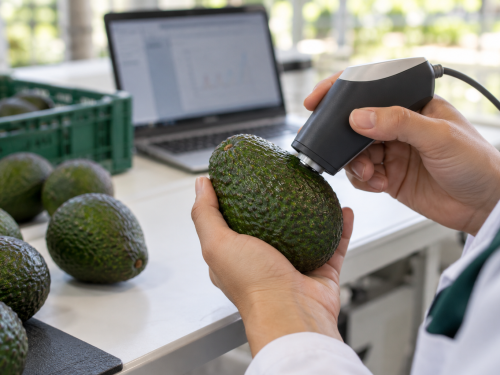
"It should come as no surprise if in the coming years Peru continues to extend its campaign until mid-October."
This is the warning from Omar Díaz, general manager of Westfalia Peru and Colombia, who states that this is one of the ways to avoid large price drops, in a scenario where Peruvian exports have increased by more than 30%.
Omar Díaz began in the world of avocados 23 years ago. He started by managing a farm from scratch. He worked in the seed business for clonal trees, and later, his company, Lomas de Chilca, participated in the first avocado exports from Peru.
“For various reasons, the previous shareholders decided not to continue with Lomas de Chilca, and we started a new company, Camet Trading, with the same team and facilities, dedicated solely to exports. I participated as a shareholder, and in 2016 Westfalia acquired 50% of the company. In 2019, they acquired 100%, shaping the operations of Westfalia Peru. But the company has a 23-year history,” Díaz explains.
The know-how developed over these two decades allowed the multinational to retain Omar Díaz as general manager and, three years ago, he simultaneously assumed leadership of Westfalia Colombia, an operation that had been developing for 11 years.
Currently, Westfalia ranks second in the volume of avocados exported from Peru, which allows it to have an interesting view of the industry in that country, which is closing the season with very high numbers, exceeding 30% increase in volume compared to the previous one.
- How diversified is Westfalia Peru - Colombia's portfolio of offices?
“Due to Peru’s geographic location and the breadth of markets we have globally, our Peruvian office is the most diversified compared to all the others in the group. We have a very strong presence in Asia. We export a lot to Europe, because that’s where our offices are located. We also ship to the United States and Latin America. From Colombia, our largest volume goes to Europe, and we are working hard to increase shipments to the United States. We are making efforts to start exporting from Colombia to Asia, but we face some additional logistical challenges, with longer transit times. Furthermore, Colombian avocados have a slightly shorter post-harvest shelf life than Peruvian avocados.”
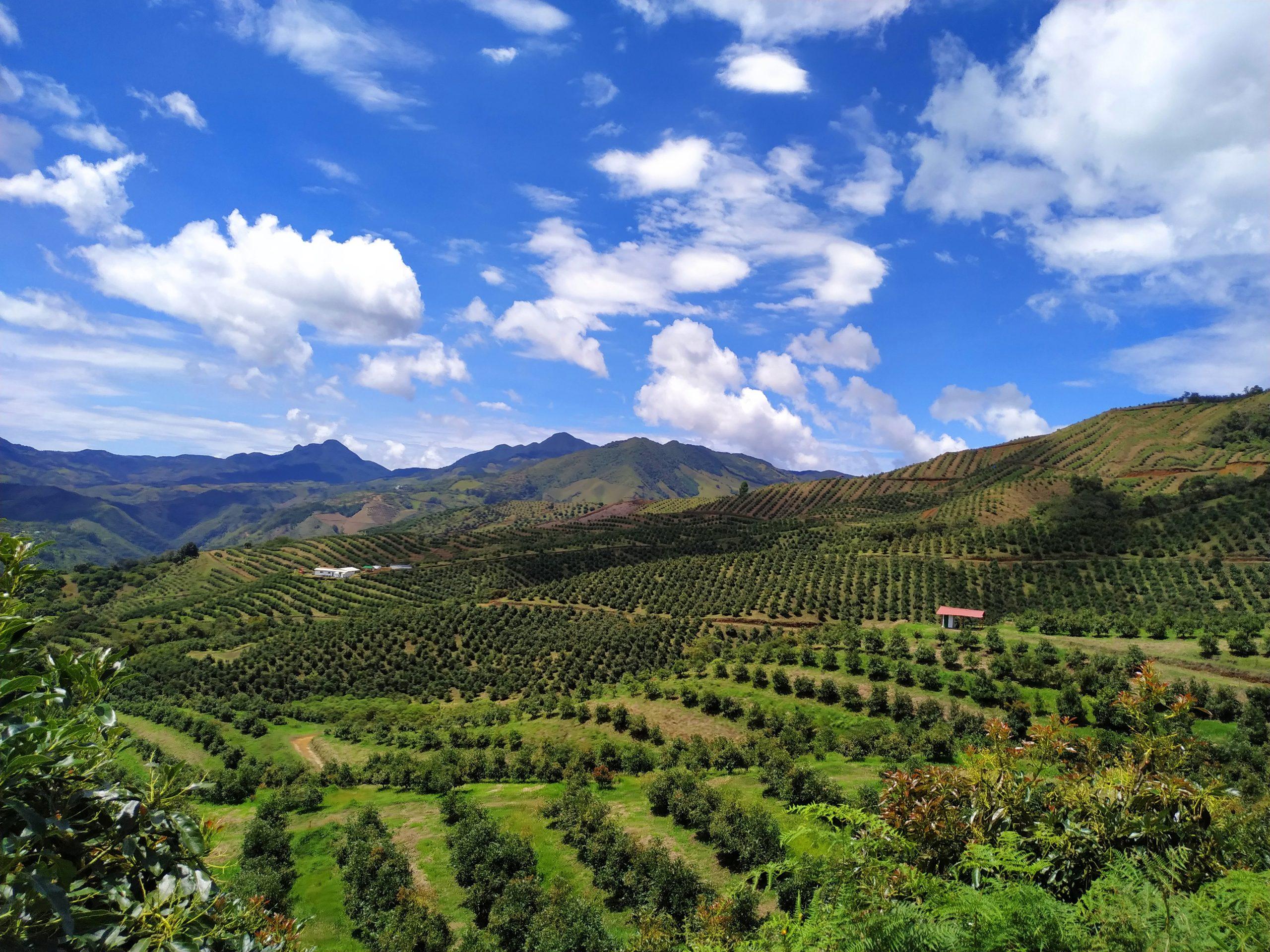
Will that condition make it more difficult to plan shipments to that continent from Colombia?
“That’s right. However, I believe Westfalia is one of the leading producers working very hard on quality in Colombia. We believe it has all the potential to produce very high-quality fruit.”
Peru campaign closing vs. impact on price
- How is the Peruvian campaign performing in terms of its overall numbers?
“It has seen significant growth this year, around 30% in volume. We're going to reach almost 700,000 tons. Although we also have to consider that in 2024 we had a reduction in production compared to 2023. But the industry has the potential to continue growing due to the planted areas. According to ProHass, Peru should reach one million tons per year at some point. We believe that will happen in the next two, three, or four years.”
- Is there a market to absorb so much growth?
“The market continues to grow. We were able to see, especially in May, that despite the volume being shipped to Europe, the market absorbed it quite well. All the fruit was sold. We did see that it suffered a little, but for a short period, of eight or nine weeks. Then it recovered.”
- Has that growth in demand been enough to cushion the blows to the price?
“The fruit was consumed. Perhaps there wasn't a major impact on the average price for the entire season. However, for a period of 8 to 10 weeks, basically from June and July until the beginning of August, the price did fall. Not to the levels of previous seasons, when it reached as low as 4 euros. This year, a box has been selling for over 5 euros, with a more favorable exchange rate. But to give you a clear idea: the market needs it to sell for at least 8 euros to be competitively profitable for the producer as well. Nevertheless, we see that consumption continues to grow. The World Avocado Organization (WAO) is doing a good job, but it needs more companies to contribute so that it has more funds for promotion.”
- Was the factor that impacted the price due to the presence of many origins?
“It was a period where the greatest impact was due to the volume from Peru. There were also contributions from South Africa, Kenya, and Colombia, but the largest volume came from Peru, which at that time supplied more than 70% of the fruit. Although July and August also coincide with the start of summer vacation in Europe, when consumption decreases.”
- If projections for Peruvian exports continue to rise, aiming to reach one million tons, how should these periods of high supply be addressed to avoid a more structural devaluation of the fruit?
“We see that during this mid-harvest or export period, especially from mid-May to the end of July, which corresponds to arrivals from June to early August, the plantations are being managed because there isn't much room for further expansion at this time. Perhaps in a few years there will be, but not right now. Instead, we're trying to extend the season. For example, this year Peru is still exporting until September. This is something that didn't happen before. And don't be surprised if in subsequent years exports continue until mid-October. Proof that it can be done is that over 500 containers left Peru during week 38.”
- Is this a phenomenon that will be repeated in the coming years?
"It's a precedent. Next year it will probably be extended by one or two weeks."
- And during the weeks with the greatest balance between supply and demand, what price could be reached?
“Depending on the year, it can reach 13-14 euros. Currently, a box is already at 11-12 euros, especially for the larger sizes. Last year at this time, the price was already much higher. At the beginning of the season, you can start at 13 euros, drop to 5 euros at some point, depending on the export volume; and then rise to 11, 12, or 13 euros, depending on the final volume. When we see the price hover around 14 euros, consumption drops, and it's unlikely to rise any further.”
Westfalia Peru and Colombia: from crops to new frozen food plant
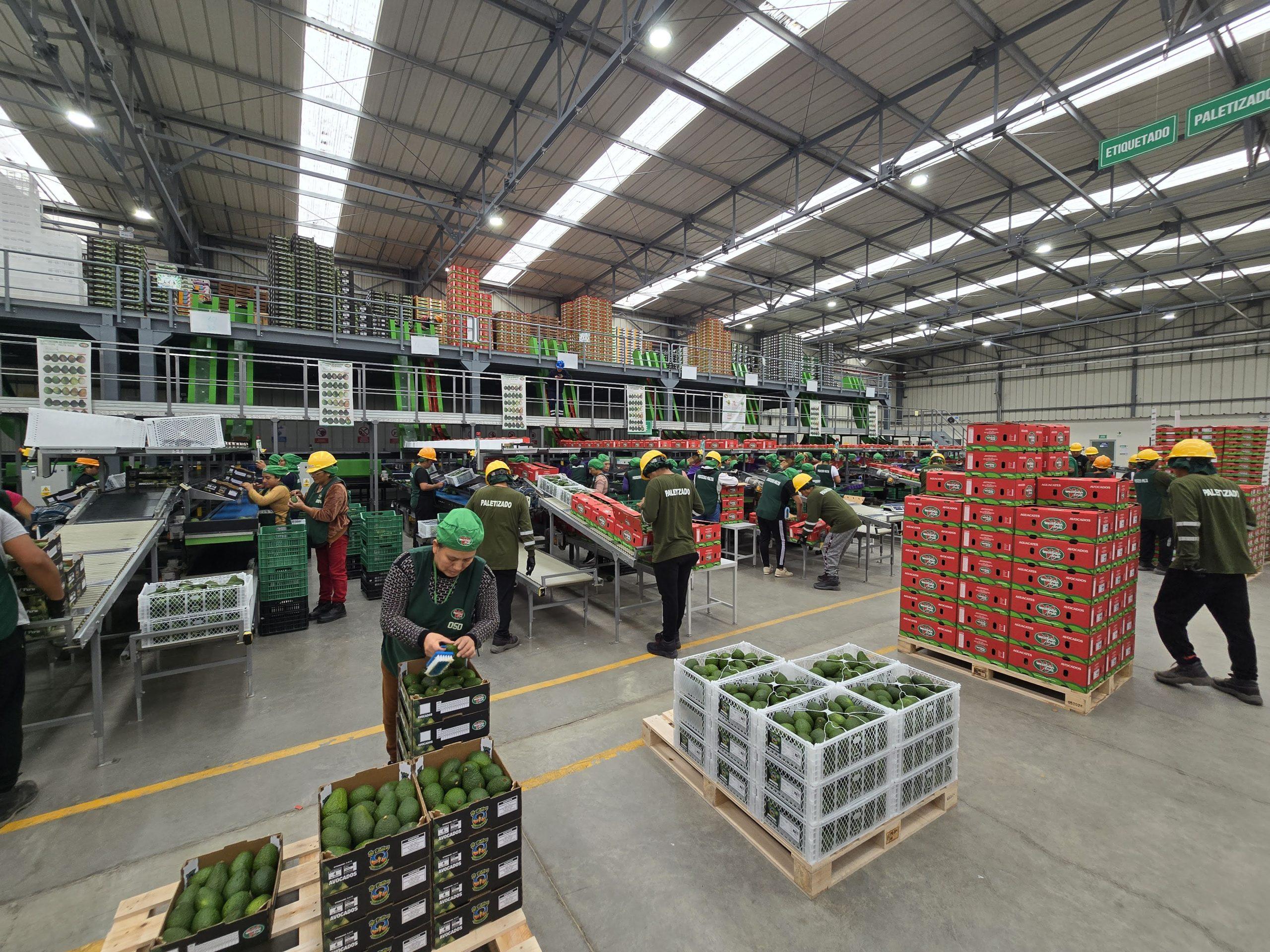
Westfalia Peru has its own packing plant and four others that provide services in the northern and eastern regions of the country. It does not own any crops, but its leased fields cover approximately 200 hectares. However, it works with partner producers who cultivate approximately 4,500 hectares. This gives it geographic coverage across the entire Andean region and, on the coast, from Chiclayo to Moquegua. The latest development is the construction of a freezing plant in Chiclayo, which will begin this year and is expected to be operational by mid-next year. In Colombia, the company has approximately 600 hectares of owned and leased land and works with numerous partner producers. It also has two packing plants there. This will allow Westfalia to close the year with exports of nearly 43,000 tons from Peru and 18,000 tons from Colombia.