What to do with "discarded" avocados in exporting countries with low domestic consumption?
It is estimated that avocado waste in packing facilities can reach up to 30% in some regions. In this context, High Pressure Processing (HPP) is a highly effective alternative for the product that cannot be sold as fresh fruit, through a sustainable industrialization method already used in at least 50 countries.
In countries with high domestic demand, discarded avocados are not a problem. Lacking ideal presentation means they remain in production without issue, as they won't cross borders and will be consumed locally. However, very few countries successfully combine their export potential with domestic consumption. Chile and Mexico are examples that stand apart from the vast majority of avocado-producing regions, where the fruit is almost exclusively destined to supply markets outside their borders.
This is the case of Peru, which allocates almost 95% of its avocados to international trade, but also that of rapidly growing suppliers, such as Colombia, Kenya or Brazil, which face the business with low domestic consumption or units of the product that do not find a destination as fresh fruit.
“For countries with low domestic consumption, the industrialization of discarded fruit is fundamental to improving the producer's outcome,” explains Sebastián de la Cuadra, CEO of Avobook, who has dedicated three decades to commercial and operational management in the avocado industry.
According to him, the percentage of discarded avocados varies from country to country, although there are some estimates: “Some countries, due to climate or phytosanitary conditions, have higher discard rates than others. Some places have a range of 20% to 30%; and others are between 5% and 10%.”
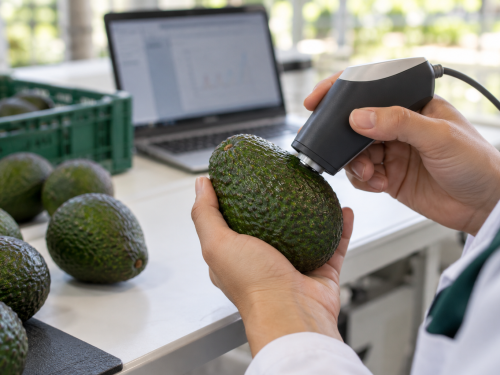
“The fruit that is rejected is the fruit that doesn't meet the requirements during the sorting process at the packing facility. It's not fruit that's rejected because it's in bad condition, but rather for aesthetic reasons. For this fruit, where the internal quality is good and it's just an aesthetic issue, there are three types of uses: consumption as fresh fruit in the domestic market; processing as frozen or HPP-refrigerated IQF pulp; and as avocado oil,” he explains.
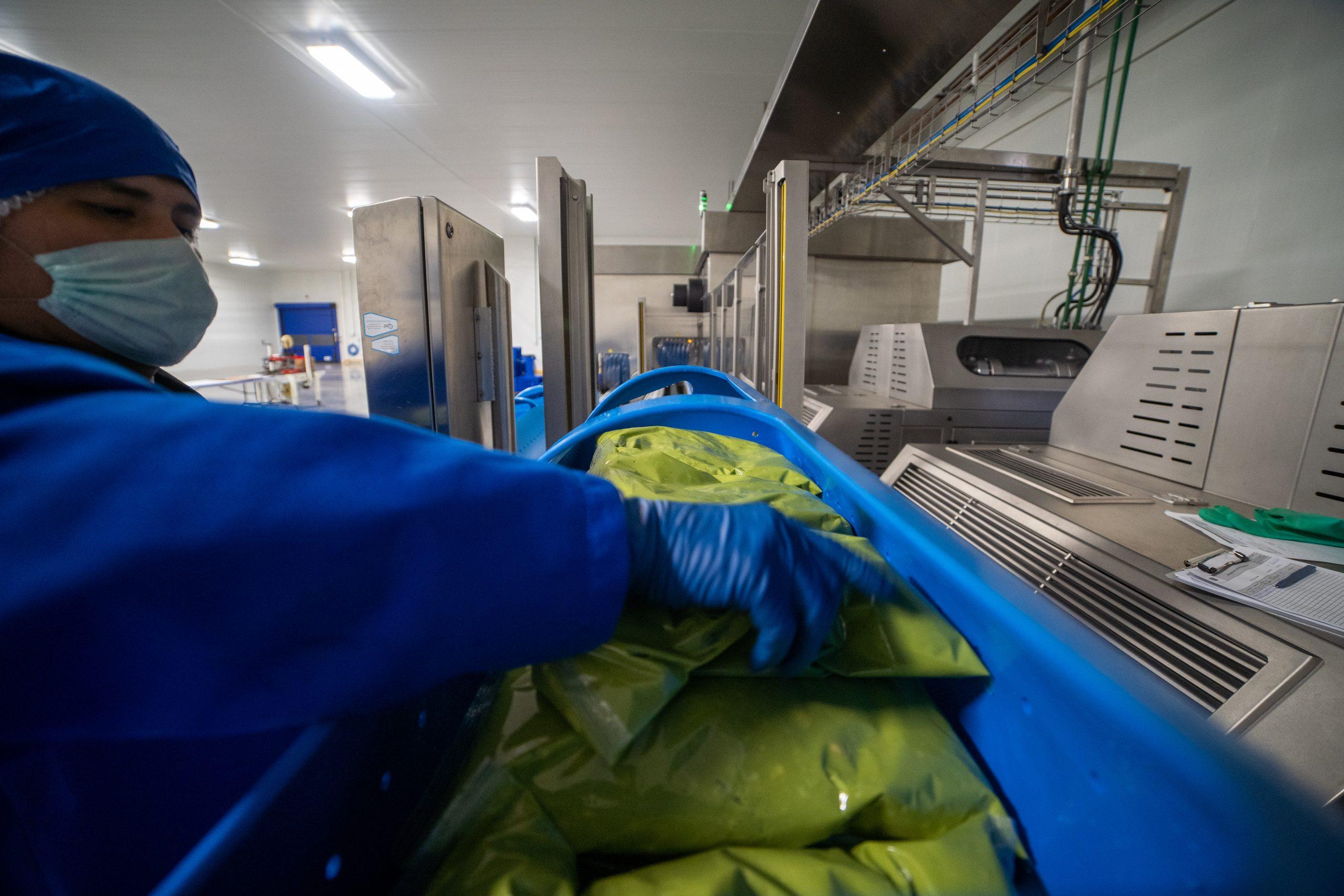
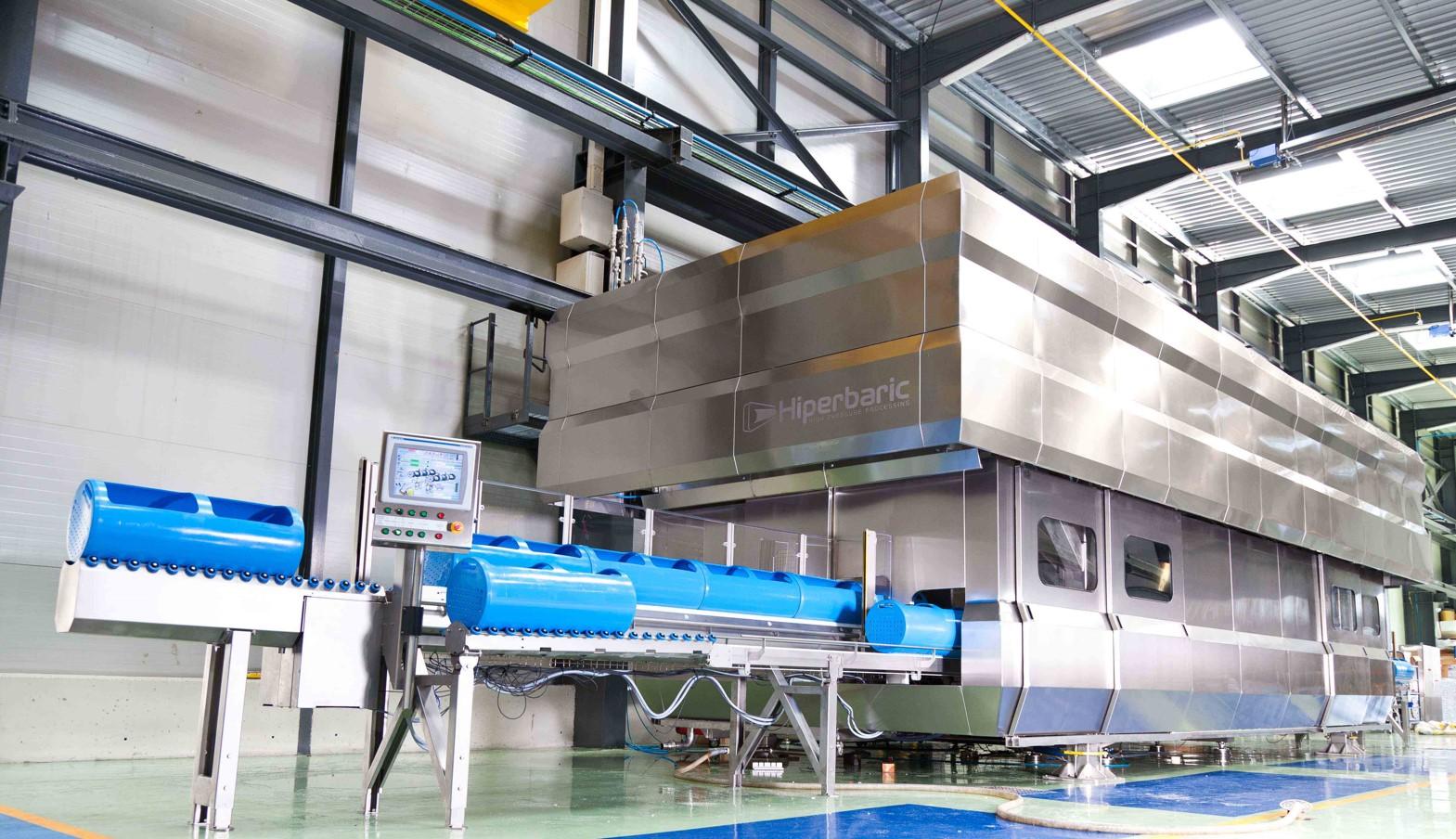
High Pressure Processing (HPP) is a technology used in the food industry to preserve food without using heat or chemicals. An example is guacamole processed using this method, which can last more than 30 days refrigerated and retain its good flavor and color without the need for preservatives.
“Currently, HPP is essential to reach the best markets with a processed product,” says Sebastián de la Cuadra.
Hiperbaric: the company where HPP “eliminates waste”
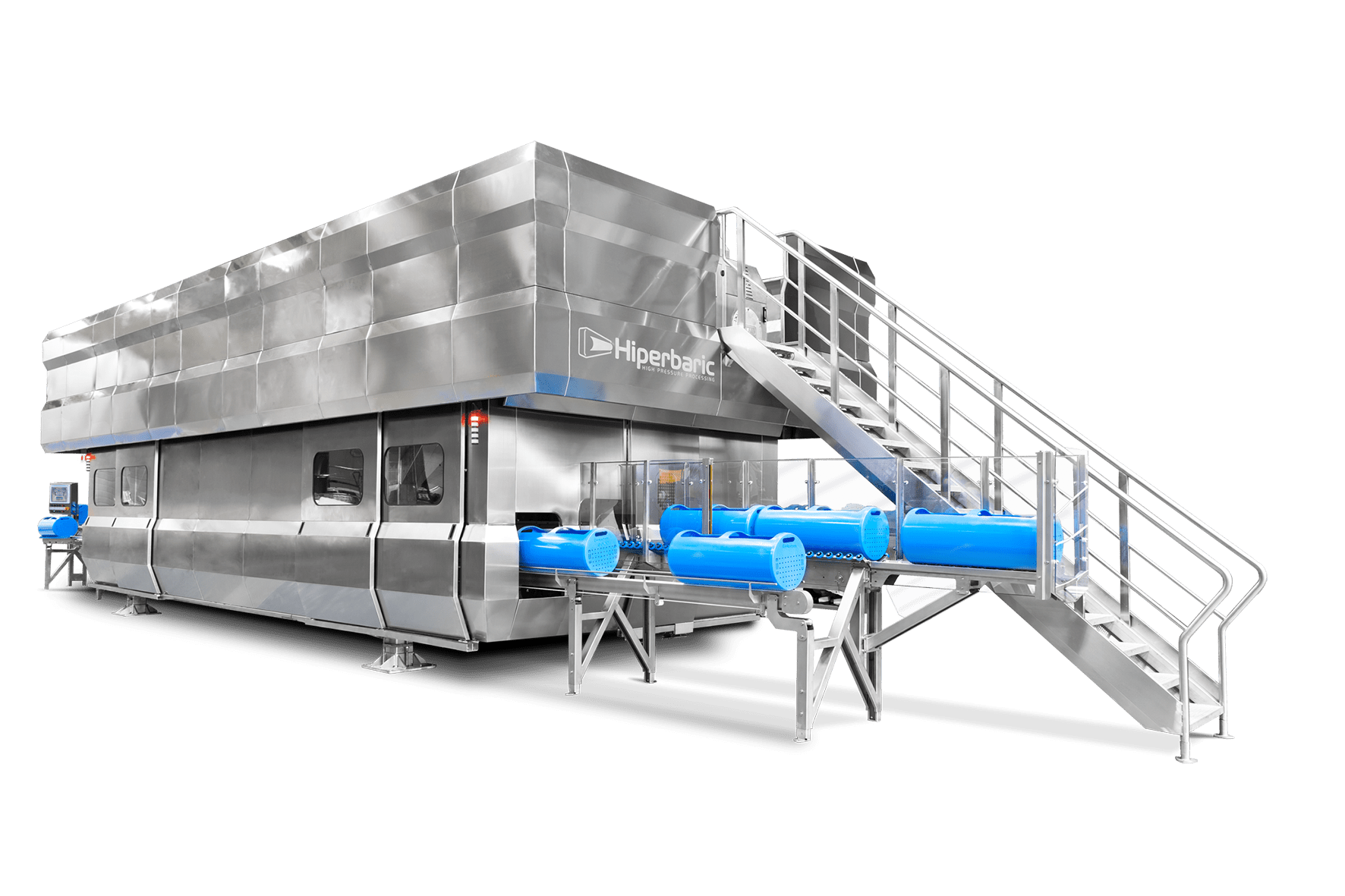
Avobook spoke with Hiperbaric, a company specializing in the design and manufacture of high-pressure processing equipment. Their expertise has made them a world leader in this type of industrialization methodology, with over 400 systems installed in 50 countries, serving the Americas from their offices in Miami and Mexico.
They believe that the word "discard" is not the most appropriate to describe fruit that does not meet international marketing standards.
“We prefer to talk about maximizing the use of an orchard's production. Remember that fruit that doesn't meet export standards usually has cosmetic defects. Therefore, its value is lower, as it's destined for the local market. Then there's the rejected fruit, which doesn't pass either the export or domestic market. However, a large percentage of this fruit has processing potential,” explains Roberto Peregrina, CEO of Hiperbaric USA.
According to him, thanks to this technology, these fruits can be turned into safe and high value-added products: "In this way we tackle two problems: the waste of food that would otherwise have been devalued and/or discarded and the return of investment to the primary industries."
This non-thermal technology allows the inactivation of pathogenic microorganisms such as Listeria, Salmonella and E. coli, extending the shelf life of products without the need for preservatives.
Alternatives to give new opportunities to discarded avocados
According to Roberto Peregrina, there are various alternatives for discarded avocados, including processing them into ready-to-eat products: purees, drinks, sauces, and healthy snacks.
“HPP allows us to make use of that fruit by extending its shelf life, maintaining its flavor and nutrients, without the need for preservatives. It is a form of upcycling that turns potential waste into a profitable product,” he says.
One way to approach the use of this technology is to adapt the solutions offered by Hiperbaric to the needs of producers: “We understand that each product and each market is different. That's why, through our HPP Incubator program, we offer fully personalized and free technical support to companies interested in harnessing the potential of high-pressure processing.”
This support includes actions such as HPP testing in pilot plants equipped with state-of-the-art technology; personalized advice on product formulation; guidance on the most suitable types of packaging and production process design; support in regulatory compliance according to the destination country; as well as recommendations of suppliers of packaging materials compatible with HPP.
Along with this, the company provides support in defining validation studies, through HPP Academia Network, with the aim of verifying microbial inactivation and extending shelf life.
“Our goal is for producers to be able to safely, efficiently, and directly assess whether HPP technology is viable for their product and business model. Because reducing food waste is not only an economic necessity, but also an environmental and social one,” the company told Avobook.
In simple terms, Roberto Peregrina, from Hiperbaric USA, states that "this technology allows us to transform 'discarded' fruits into nutritious foods that could feed millions."