“To further position Ecuadorian avocados, it is necessary to improve productivity per hectare and farm certification.”
Ecuador is emerging as a major avocado producer, making a key decision: its strategy is based on quality rather than volume. Currently, there are approximately 6,000 hectares dedicated to avocado cultivation, of which 2,000 hectares are of the Hass variety and 4,000 of the Fuerte variety.
They are located in the highlands, where they are cultivated at altitudes between 1,500 and 2,500 meters, which gives the product special characteristics. This has allowed Ecuador to fill market niches during periods of low supply in other countries.
Jorge Salvador Jaramillo is the Production and Operations Manager at Durexporta Global, a plant that packs 90% of the avocados exported from Ecuador. The experience he has accumulated over years of marketing mangoes abroad has allowed him to transfer important know-how to producers and exporters, enabling them to develop an industry with significant growth potential.
In addition, Ecuador is in the process of opening new markets to exploit its season, which begins in September and extends until June of the following year.
Salvador spoke with Avobook about the qualities of this origin, noting that Ecuadorian companies have identified Europe, Russia and the Middle East as the most important markets, with Europe being the main destination thanks to trade agreements that eliminate tariff barriers.
“In Ecuador, Hass avocado production is almost year-round due to favorable climatic conditions, allowing for a harvest for 10 months of the year. The production window extends mainly between October and December, and from January to March, coinciding with periods of lower supply in international markets, which represents a competitive advantage,” he explains to Avobook.
- What is the current situation of Ecuador in the export of Hass avocados and other varieties?
“Ecuador has been expanding its avocado production, especially of the Hass variety, which is the most widely traded internationally. Traditionally, Ecuador has focused on the Fuerte variety for the local market, but since 2015 it has been developing Hass avocados for export. In 2021, Hass avocado production became a key part of the country's agricultural portfolio, contributing to the diversification of exportable products. Currently, there are approximately 2,000 hectares planted with Hass avocados in Ecuador, and significant growth is expected in the coming years.”
- How do you project growth in volume and hectares planted in Ecuador?
“The growth in planted hectares and production volume of Hass avocados in Ecuador is promising. In 2022, initial Hass avocado production was 8 to 9 tons per hectare, with a projected yield of up to 30 tons per hectare by the tenth year of production. It is expected that by 2025, the planted area will reach 5,000 hectares, with a projection of up to 15,000 to 20,000 hectares by 2030. This growth will allow Ecuador to increase its share of the international market, with an expected annual export volume that could exceed $1.084 billion over the next 10 years.”
- What problems or difficulties are currently present in the business?
“One of the main challenges facing avocado production in Ecuador is the relatively low level of technical expertise in crop management, especially compared to other producing countries like Peru and Colombia. Productivity in Ecuador is lower, averaging 8 tons per hectare, while in neighboring countries this figure exceeds 25 tons per hectare. Furthermore, quality certification and phytosanitary practices are areas where progress is still needed, with few farms certified under international standards such as Global GAP.”
- What is the current internal logistics situation and how does Ecuador logistically connect with the rest of the world?
“Although Ecuador has several seaports and a wide range of maritime freight services, it currently faces serious challenges in its internal logistics. These problems are mainly related to the growing insecurity in the country, which has forced the implementation of additional security measures to ensure that shipments are successfully completed.”
- What complications has this problem caused?
“This situation has complicated logistics processes, increasing costs and operating times, and requires constant attention to ensure that products arrive safely at their international destinations.”
- How attractive can the avocado business be for producers, packers, and service companies in Ecuador?
“The avocado business is highly attractive to producers, packers, and service companies in Ecuador. The climate and product quality offer a competitive advantage in international markets. Furthermore, the growth potential in both planted hectares and international demand makes this sector promising. Hass avocados, in particular, have a growing market and the capacity to generate employment and added value in producing communities.”
- In your experience, what needs to be improved in Ecuador to continue positioning this fruit in the markets?
“To further position avocados in international markets, Ecuador needs to improve productivity per hectare by increasing the technical level of crop management. It is also essential to increase the number of farms certified under international standards, such as Global GAP, to meet the quality and food safety requirements of the most demanding markets. Furthermore, it would be beneficial to continue developing the logistics infrastructure and improving efficiency in the value chain to reduce costs and delivery times.”
- Regarding the company Durexporta, how are they preparing to continue as a leading packing company in Ecuador?
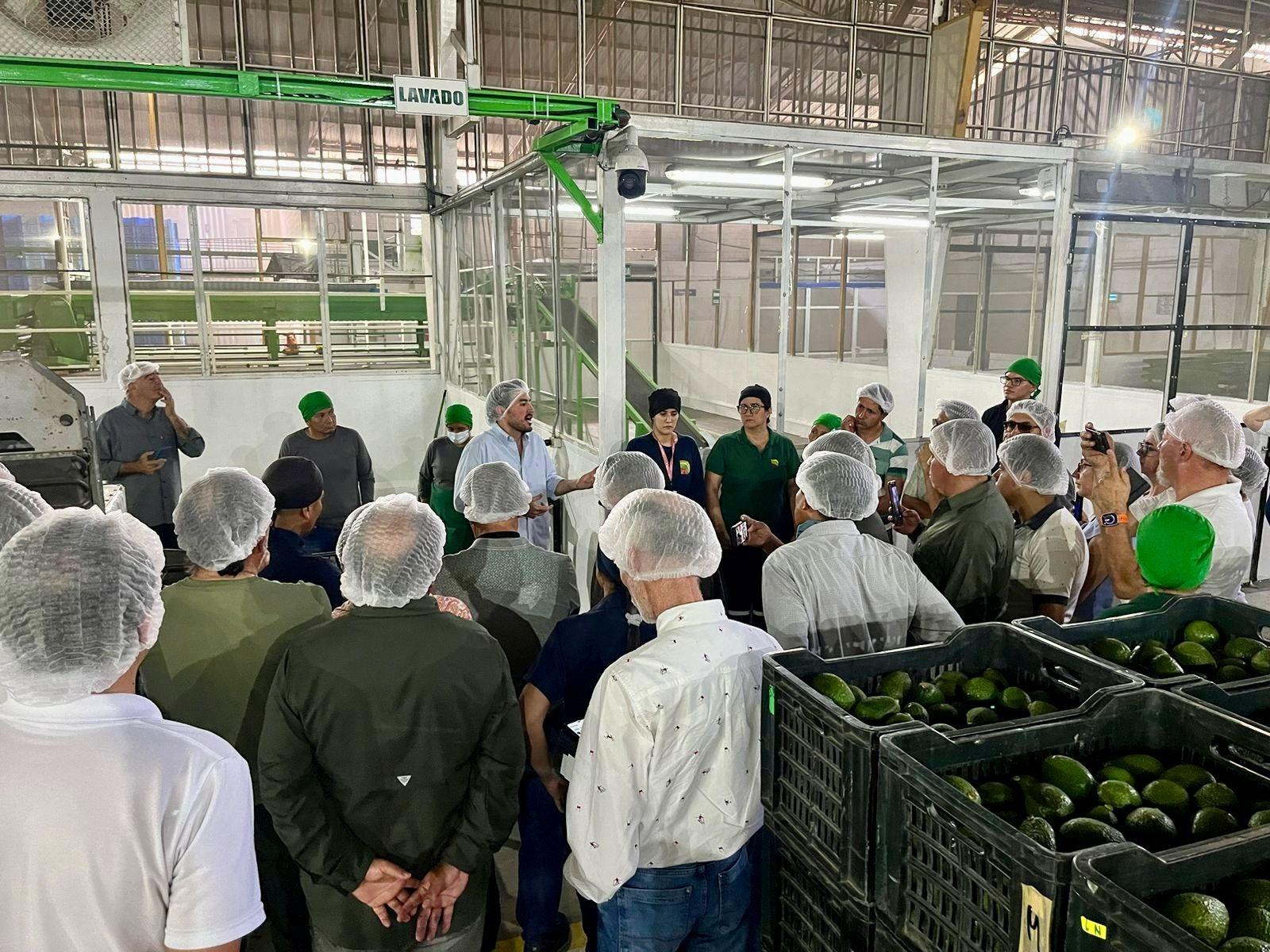
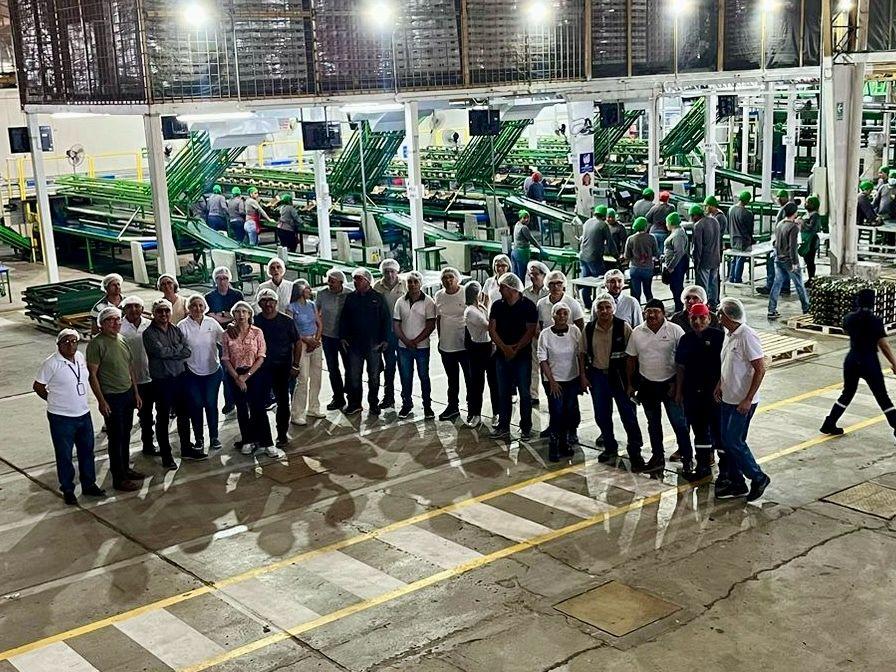
“Durexporta is making significant investments in infrastructure, implementing new processing lines that cover everything from receiving to packing and cold storage, with the goal of ensuring the most efficient process possible. These improvements ensure that the avocados are handled in the most efficient way, preserving their quality throughout the entire process and guaranteeing the product's food safety.”
- How do you help exporters with product traceability?
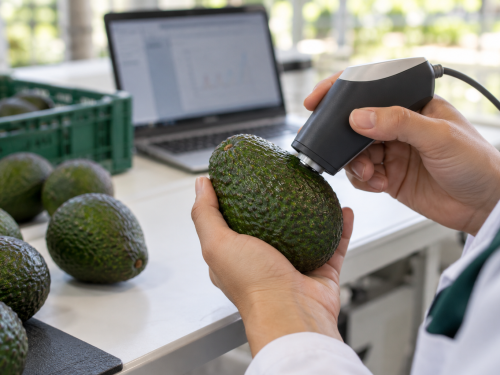
“Furthermore, it is developing advanced information technologies to improve fruit traceability, enabling detailed tracking from production on the farms to its arrival in international markets. This not only strengthens customer confidence in the quality and safety of Ecuadorian avocados, but also allows for innovation in the cost structure. By optimizing these processes, Durexporta seeks to improve the competitiveness of Ecuadorian avocados in global markets, reducing costs and ensuring that the fruit arrives in the best possible condition.”