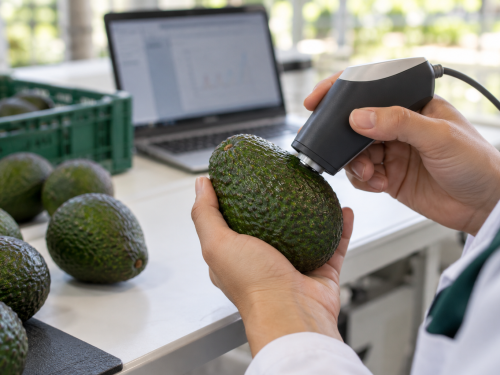
Miguel Bauzá, from “Don Jaime”: “Avocado consumption in Argentina has not yet reached its peak”
The manager of the importer specializing in avocados explains that the economic conditions in his country have not discouraged consumption, but have impacted the price, at least for a while.
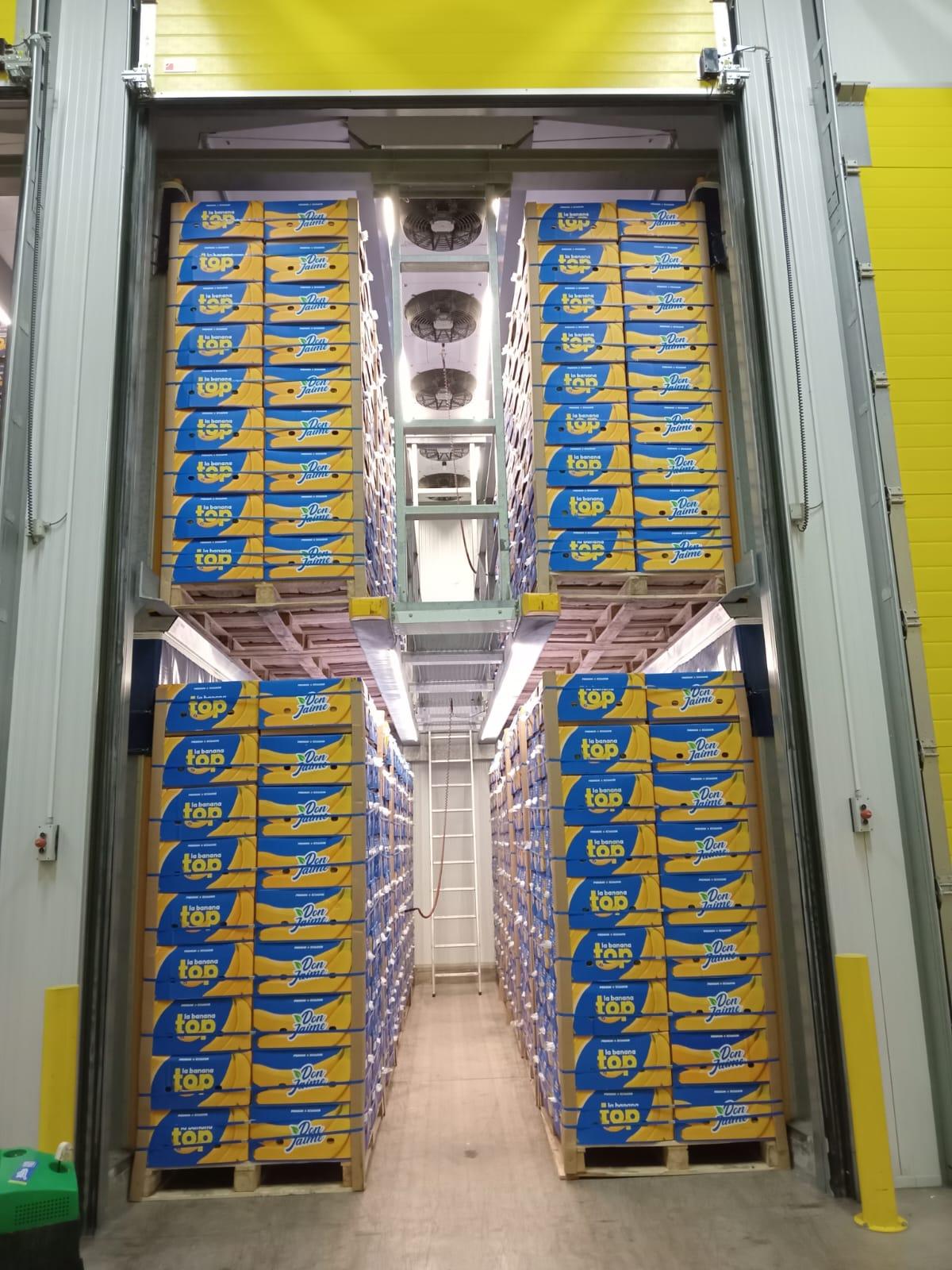
Miguel Bauzá is the manager of Don Jaime, a fruit importer and distributor in Argentina. As he describes it, the company's backbone is the import and sale of bananas, pineapples, kiwis, and avocados. The latter, he says, has seen steady growth year after year, and while it initially needed to establish itself as a staple food, it is now firmly established.
At this time of year, the most common origin is Chile, a season that begins in mid-August and lasts until the end of February or the beginning of March, in a normal cycle.
“In some less typical seasons, it might stretch a little longer. In March, the Peruvian season is starting much earlier than it did about four years ago. It just so happens that the domestic and Peruvian production seasons are currently coinciding, roughly between April and May. Argentina doesn't have a large quantity. Yes, the quality is better than in previous years, but not enough to supply current Argentine consumption,” explains the representative of this successful family business operating from the province of Mendoza.
- Where is avocado consumed the most in Argentina?
“In Argentina, everything that comes in from the Pacific passes through the Cristo Redentor Pass, which connects Chile and Argentina. The first land port it reaches is Mendoza, and from Mendoza it's distributed to the rest of the country. In terms of sales volume, keeping in mind that half the population is concentrated in Buenos Aires, the largest volume is there, but we have many other important markets: Santa Fe, Rosario, Córdoba, and Mendoza itself. The difference Mendoza makes in terms of national distribution is that it supplies the south of the country year-round. A large part of the north of the country also comes to load up in the Mendoza market. In Buenos Aires, you have the Central Market and there are satellite markets, such as José Clemente Paz, Avellaneda, Béccar, and San Martín.”
- What are the areas where avocados are being produced locally?
“The first fruit in season is in the province of Jujuy, and then it continues in the province of Salta. After that, going down to Tucumán, as the main producer. These are the three provinces that are characterized by producing the Hass variety.”
- Since when has Hass been produced and what are the characteristics of the local fruit?
“Hass avocados have been produced in Argentina for roughly the same amount of time as in Chile. The difference is that Chile made significant progress in production, while Argentina focused primarily on one producer, the Guayal brand, which is still producing. The other producers were small, and although they are important today, they haven't grown at the same rate as consumption in Argentina. The sizes are the same calibers consumed from other origins like Chile and Peru.”
- What sizes are being consumed in Argentina?
“These are the ones that are often not wanted in Europe, because they are small calibers. They range from 96, 84, 70, 60. The most commercially viable are always the ones in the middle: 84 and 70. One that is convenient for the price is the 96; and the 60 is too expensive, given the economic conditions in Argentina.”
Recession doesn't kill consumption, but it does lower prices.
Businesses always depend on the environment in which they operate. In Argentina, commercial activity is being impacted by a recession, which has revealed something very interesting: avocado consumption continues to grow. This is because the recession hasn't killed consumption, but rather has affected the price.
“Chile had very high expectations after last season, which was very good. There was an expectation of introducing 15% more fruit into Argentina, but without taking into account the 20-25% recession the country is experiencing. So it was a perfect storm for Chilean producers to pay for it this year with higher prices, which is exactly what's happening. It happened with tomatoes, with avocados, and now it's happening with lemons,” explains the manager of “Don Jaime.”
Chilean enthusiasm is evident in the numbers. Miguel Bauzá explains that, “according to statistics from Chilean companies, this year 90% more avocados have already entered the market than last year. That is, from mid-August until today, although the price has been cut in half.”
- Ultimately, is there growth, but at the expense of price?
“ It was bound to happen. This is a turning point for Argentina. This was marked very specifically after the Chilean national holidays. Before that, there was a huge influx, exceeding what came in last year. And after mid-September, sales slowed and the price began to fall.”
- But are they keeping the fruit for themselves, or can it be distributed by sacrificing price?
“Always sacrificing price, consumption has been increasing. What do I mean by this? This year prices have a ceiling.”
- What is the approximate trading volume?
“ A box FOB of 84-gauge shotgun shells is fetching between $17 and $18 in standard 10.5-kilo formats. But a 96-gauge shell, weighing 16-17 kilos, is going for $18. There's practically no difference, despite the 5.5-kilo difference. Fine: these companies needed to get rid of the smaller gauges and they're succeeding, but at these prices.”
The pivotal year
One of the factors explaining the large quantity of fruit arriving in Argentina is the influx of new players who enter the business driven solely by high demand, but without the capacity to remain competitive. This has doubled the volume until it stabilizes, at which point only those players with the ability to build networks, invest in time, withstand the pressure, and have years of experience working with the product remain.
“Argentina was completely locked into an import-dependent economy for many years, totally regulated. When that was liberalized, things normalized, but some importers started to venture into bringing in products they weren't used to. This had a negative impact. The pivotal years are when those who ventured in without preparation begin to disappear from the market,” he explains.
He illustrates this with what happened with bananas: “It’s the most consumed fruit worldwide. From March to July, the amount of money lost was terrible. So, all the new people who brought bananas into the business are gone now. The same thing happened with Chilean tomatoes, and now with avocados.”
- Do you think avocado consumption will continue to grow in Argentina?
“In fact, consumption increased this year. Due to price increases, but it did increase. What does this mean? That the outlook is always positive. In other words, we can adjust prices accordingly. Avocado consumption is growing and hasn't peaked yet. The price has peaked, but that's just a temporary setback for this year.”
- Do you have any estimate of how much it has increased?
“One thousand percent. Within eight years. The same thing happened with kiwifruit, when it exceeded sales expectations in the middle of the pandemic. That's when it becomes established. When a product becomes part of the diet, it's consumed forever, unless there are some additional conditions.”
- And what are the spaces or formats in which it is being sold in Argentina?
“As consumption has increased, so have the formats. It’s still not sold in mesh bags, like in Chile. Here, for example, the supermarket asks for green avocados. Nothing like Chile, where they had them available for consumption today, tomorrow, and the day after. Here, the avocados have been ripening for a year and a half or two.”
- How has the supply from Brazil or Ecuador, which are looking for nearby markets, behaved?
“Argentina imports a lot of Brazilian avocados. By the time they reach Chile, they're no longer there, but they do cross-pollinate with Peruvian fruit. From Brazil, we're also bringing in melons, grapes, mangoes, and some other tropical fruits. Don Jaime is a banana producer in Ecuador, where there's an avocado variety that isn't very developed. But it's good quality, and there are areas where we can make progress.”
- Given the increase in consumption, has there been enthusiasm for increasing local production?
“Although there have been new plantations, I don’t think it will ever develop the way it did in Chile. However, this process has forced the vast majority of Argentina’s largest producers to improve their practices. For the past four years, those who didn’t want to work with the fruit have had their own packing facilities, and now there’s very good quality, both in the box packaging and the product itself, with beautiful fruit, properly sized.”