“Mexico will continue to grow and prioritize the United States market”
This is according to Mexican engineer and consultant Ramón Paz Vega, who spoke with Avobook about his country's industry and why it is viable to invest in continued growth in its neighboring market.
Ramón Paz Vega didn't just come into the world of avocados. He was born into it. He is a third-generation producer, starting with his grandfather and continuing with his father, Ramón Paz Aguilar, who was in charge of the orchards for nearly 40 years, in an area where avocado production began in the 1960s.
“I was practically born under an avocado tree. I'm a third-generation avocado farmer. My father was a farmer, and my grandfather was too, although not using the more intensive and technologically advanced farming systems we have now. My father is the one who developed the orchards. That's why I joke that I have green blood. I always went with him to the orchards, and I really loved the countryside. That's why I studied Agronomy and Agribusiness, and I've always worked in the industry,” says Ramón Paz.
He currently serves on the board of directors of Agrícola PAVE, a family business led by Sergio Paz and comprised of the six Paz Vega siblings. The company has farms in Michoacán and Jalisco, Mexico's two main avocado-producing regions.
In that space, Ramón presides over the Technical Committee and the Productivity Committee, accumulating so much knowledge that today he is recognized as one of the professionals who knows the most about the avocado industry in that country.
He spoke with Avobook to describe the current state of Mexican fruit production and exports, explaining why his country has concentrated its energies almost exclusively on supplying the United States, where it is now the main supplier, with more than 80% market share.

“Mexico has the potential to export to many countries, but we are increasingly focusing on North American markets, specifically the United States. Canada is also a growing market for us, but much smaller. We are ceasing to participate in other markets where we traditionally had a presence,” he begins.
- What percentage of Mexican production is being exported?
“Between 48 and 50% is exported. And the rest stays in the domestic market. Of the production from Michoacán, which is the largest producing state in Mexico, almost 80% goes to export, almost all to the United States.”
- What part of the production is going to the United States and how much is going to other markets?
“85% stays in the United States, and of the remainder, approximately 7% or 8% goes to Canada and between 4% and 5% to Japan, and almost nothing else is sent to other markets. Europe is an opportunity when there are some openings.”
- At what rate has avocado production continued to grow in Mexico?
“In 2022, according to FAO data, 2.5 million tons were produced. Data from the Mexican Ministry of Agriculture indicates that, in 2023, we produced just over 2.9 million tons. That is to say, Mexico continues to grow, at approximately 3.5% annually. It's a small percentage, but of a very large number.”
- Is it growing in the same traditional production areas or are there some other areas that have emerged for cultivation?
“In the same traditional production areas. According to the exact data from the Ministry of Agriculture, Mexico produced 2,973,000 tons in 2023. Of that volume, 2,253,000 tons came from Michoacán. That is, it grows by about 2.5% annually. The second largest producing state is Jalisco, with 323,000 tons and a growth rate of around 4% annually. Then there are others, such as the State of Mexico, which surrounds Mexico City. There, 132,000 tons are produced, with a growth rate of 1.5% annually. Nayarit, located north of Jalisco, has roughly the same growth rate, with 76,000 tons. The rest of the country produces another 200,000 tons.”
- What is the long-term strategy for managing this growth? Will you continue to focus almost exclusively on the United States?
“Mexico’s trend has been to concentrate more and more on the United States. In fact, our growth rate in other markets like Japan, Europe, and China is negative. We are declining there in absolute terms, not just in terms of market share . The U.S. market continues to grow at a very good pace. It doesn’t grow faster because sometimes there isn’t enough fruit available. I hypothesize that, in the case of the United States and perhaps other similar agricultural markets, it’s not the free play of supply and demand that determines the volumes sold, but rather supply that determines the quantity demanded. If Mexico doesn’t have more fruit to export, it won’t be consumed more in the United States.”
- So, Mexico's focus will continue to be on North America for a long time?
“I believe the United States market has the potential to continue growing as long as there is quality fruit available at reasonable prices. It is the only market in the world with very specific promotional mechanisms and institutions that support promotion, research, and market development. No other market in the world has that, and I believe Mexico is betting on that. It's betting that the small growth we are experiencing in exports can be placed in the United States and Canadian markets, eliminating the need to seek out other markets.”
- What is the reason for not resuming operations in other markets?
“We have many other advantages to exporting to the United States. Our fruit arrives at the border in 24 hours and is in New York in three days. Therefore, the risk of product spoilage is minimal compared to two- to four-week sea voyages, where the risk is much higher, as is the case for Peru and other countries that have to export by ship. The same applies to the commercial risk of changing market conditions and prices; for us, it's minimal. If we know today that the price has dropped, we suspend harvesting immediately. If it starts to improve, we begin harvesting more today, to load tomorrow. It's true that our production decreases during the Northern Hemisphere summer, between the end of May and July. But that will be offset by the earlier production in Jalisco.”
- Does being closer have a correlation with being more advantageous in terms of cash flow?
“For exporters, in terms of credit and cash flow risks, exporting to the United States is much more favorable. We can export this week and perhaps get paid in one or two weeks, depending on the negotiations with the importer. Whereas exporting to Europe or Japan, the journey alone takes two to three weeks, and the return trip takes five, six, or seven weeks. That's why we're going to be more tenacious in defending our market share there.”
- Do you think this growth in Mexican production will affect other origins that are selling in the United States, forcing them to develop other markets?
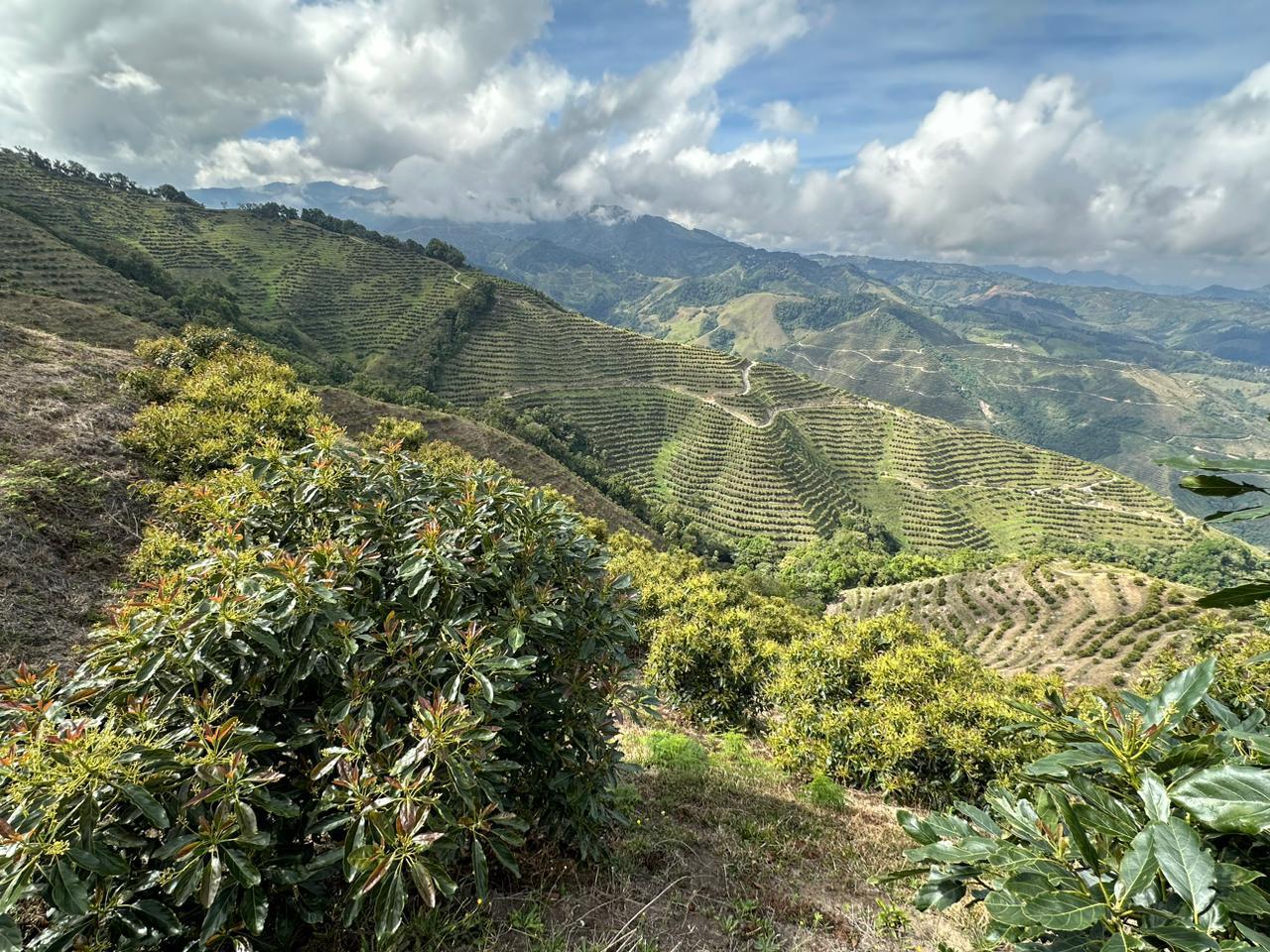
“While it’s true that Mexico is the leading supplier, there’s room for other companies. Up to this point, we haven’t had to fight over market share. Peru, the other major producer, which primarily supplies during the Northern Hemisphere summer, has been increasing its market share in the United States. Colombia is also growing and will soon be able to supply year-round, just like Mexico. It’s still a very small industry, and its volumes are also quite limited. But its quality is improving.”
- And what have you observed in the behavior of Peru and Colombia?
“I’ve been following the statistics of these exporting countries, and I see that Peru is making an effort to diversify. It has traditionally focused heavily on Europe, but the large volumes Peru has reached mean that they somewhat saturate the European market at certain times, in May and June, sometimes even as early as April, causing prices to plummet. So, the Peruvians have been very intelligently seeking to diversify their exports. In addition to North America, they are experiencing remarkable growth in Asia. Today, they dominate the Chinese market, with over seventy percent. They have been growing in Japan, experimenting with shipments to India, and even to Argentina and Chile, which is already the second or third largest buyer of Peruvian avocados. In the case of Colombia, although its main international market remains Europe, it has a deliberate strategy of growing in the United States, and little by little, they are succeeding.”
- So, rather than ceasing to think about the United States, will those origins have to continue adjusting their volumes, taking into account what Mexico does?
“Mexico’s dominant presence in the United States may somewhat limit how much other countries can sell there, but I maintain that I believe there is room for growth. On the other hand, the United States is not as open a market as Europe, where anyone can go. There are procedures, especially phytosanitary ones. Access is relatively restricted. Currently, only a few countries have access: Spain, which has never shipped anything; New Zealand, which ships very little; and the Dominican Republic, which has a small production. In Europe, well, anyone can ship.”
- How would you characterize the growth of consumption in the United States?
“ Consumption in the United States has grown across the country. It's reaching almost 4 kilos per capita, which is a very significant number. But consumption remains very heterogeneous geographically. California is the biggest consumer. It consumes the same as Mexico or more in per capita terms. And there are other states that still have very low consumption, but there's great potential.”
- Is it possible to diversify the varieties of avocados that could be exported to the United States?
“That’s a very good question, too. The program governing exports between Mexico and the United States is a bilateral agreement with phytosanitary standards and a systems approach, established in 1997. But that entire phytosanitary program is based solely on the Hass variety and only permits that export. So, we export the subvariety we call Méndez here, which in other places is called Carmen. Because it’s a Hass subvariety that blooms earlier. Today, especially in the avocado business, new varieties are emerging that are of the Hass type, but not exactly Hass. So, commercially, they could be shipped, but phytosanitary-wise, it remains to be seen whether the United States Department of Agriculture will accept them as such or if it needs to conduct some additional risk analyses. I know, for example, that the Peruvian industry is requesting the United States government to expand the program to include other varieties. Mexico hasn’t made any such request, so the potential benefits we might have with these new varieties, for now, in the short term, "We won't be able to take advantage of them."
The hypothesis he shared with us was that it will continue to be better for Mexico to remain tied to the United States. But, in the event that this changes at some point, how are they prepared in terms of post-harvest handling and agronomic practices so that the fruit can withstand long journeys?
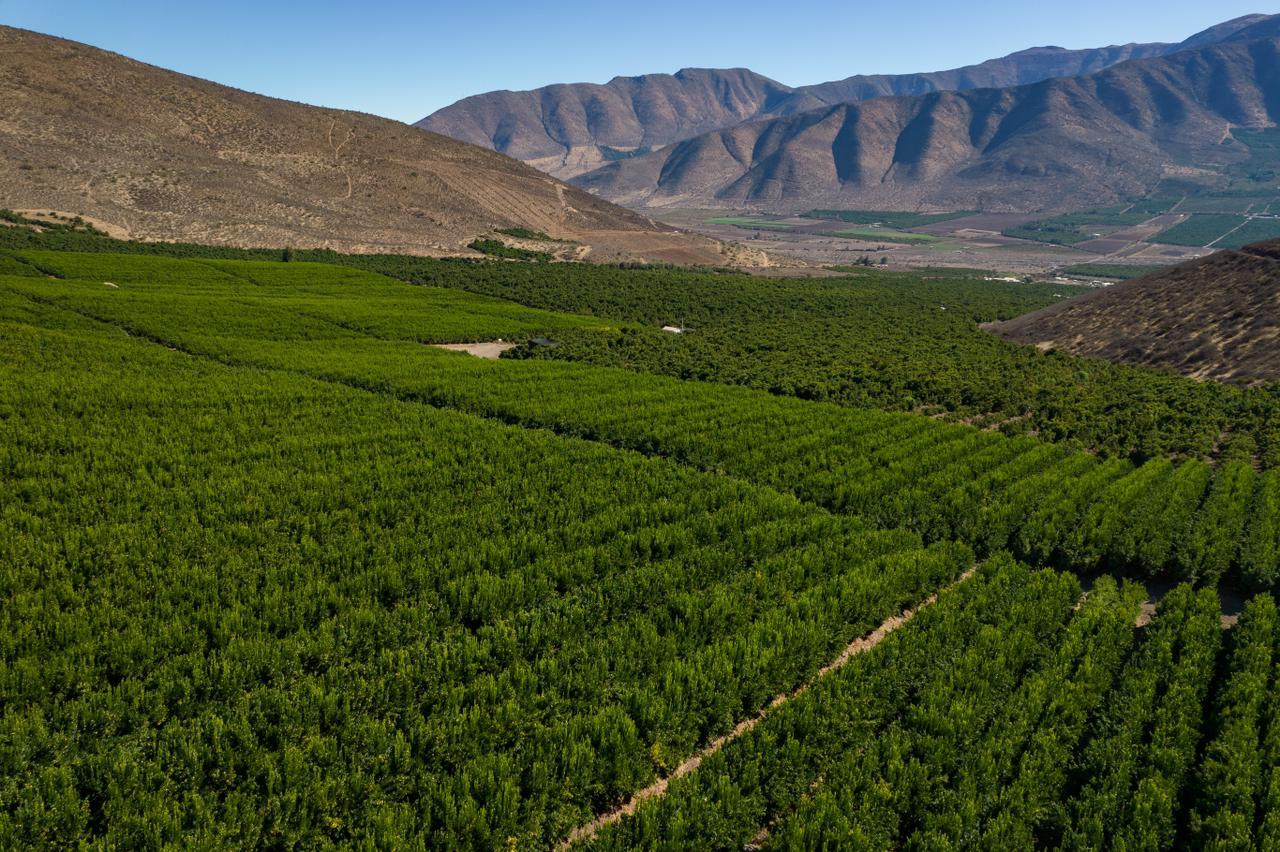
“The possibility of not reaching the United States market is a risk, but we would have to seek diversification in domestic consumption within Mexico, rather than through other exports. Or nearby markets, like Central America. To return to Europe or Asia, we have to work our fields. But we must differentiate between Michoacán, which is the major producing state, and Jalisco. Production in Jalisco is more recent, more technologically advanced, and practically all of it uses irrigation systems. I would say that, in terms of field management, it is prepared to do a good job exporting to distant markets, in terms of post-harvest handling. The post-harvest practices we used to follow, in terms of refrigeration routines and all that, have been forgotten. They are written down somewhere and all, but they have stopped being practiced. I think Jalisco is better prepared than Michoacán. In Michoacán, two-thirds, 65%, of the orchards are not irrigated and depend on rainwater. That limits the times when fertilization can be applied. So, normally the fruit The grapes from Michoacán, for example, have slightly higher nitrogen levels, which makes them a little more susceptible to certain post-harvest physiological disorders.”
- Furthermore, it leaves it at the mercy of the weather, as experienced in Chile with the drought.
“That’s right, especially with the well-known climate change that we are already seeing and feeling very tangibly. So far in our region, on average, rainfall hasn’t decreased, although we’ve had two consecutive years with very dry and warm springs. What we’ve noticed most in terms of climate change is an increase in what we might call catastrophic events: hailstorms and windstorms. But the average annual rainfall in recent years has remained more or less the same.”