Morocco balances the supply of avocados in Europe with both large and small sizes.
With constantly growing production and well-defined strategies, Morocco has successfully positioned itself in the European avocado market. Its ability to efficiently distribute fruit sizes has allowed it to capture a significant portion of the demand, ensuring that both consumers seeking large fruit and those who prefer smaller sizes can find suitable options.
According to data from the Moroccan Avocado Exporters Association (MAVA), Moroccan production has experienced rapid growth, reaching 70,000 tons in the 2023-2024 season and projected to reach 90,000 tons in 2024-2025. A large portion of this volume is destined for export. Total exports for the 2023-2024 season are estimated at 65,000 tons.
This is how Morocco has optimized its production by introducing new varieties, such as Lamb Hass, in addition to the traditional Hass, Bacon, and Fuerte. This diversification allows the country to offer fruit at different times of the season, ensuring a continuous presence in European markets.
Climatic conditions and campaign challenges
According to Abdellah Elyamlahi, president of the Moroccan Avocado Association (MAVA), one of the determining factors in this year's harvest has been the weather. Unlike the previous season, which was marked by extreme temperatures of up to 42-43 degrees Celsius during the summer, this year the conditions have been more stable, without drastic fluctuations.
This has resulted in improved yields and more uniform flowering. However, two days of intense cold with temperatures near 0 degrees Celsius were recorded, which slightly affected production on some farms located far from the sea or in low-lying areas.

“We haven’t implemented any significant changes in terms of strategies; the weather has simply been more favorable. Last season, the high summer temperatures (reaching 42-43 degrees Celsius) negatively impacted production. In contrast, this year the weather has been more stable, without extreme fluctuations, which has led to better yields,” he added.
Strategic distribution of calibers
One of the key factors in Morocco's consolidation in Europe is its ability to strategically distribute avocado sizes. While medium sizes (16, 18, and 20) are the most in demand in European supermarkets and markets, smaller sizes find strong acceptance in the domestic market, where their price is more competitive.
This strategy allows Morocco to maximize the value of its production by allocating each size to the market where it has the greatest demand, avoiding waste and ensuring greater profitability for producers.
Furthermore, the increase in Moroccan supply has led to a more balanced avocado market in Europe, allowing Morocco to compete with other major suppliers such as Spain and Peru. Morocco has managed to get ahead of the start of the Spanish season, enabling it to capture a share of the market at a strategic time.
However, this growth has also generated concerns in the European agri-food sector, especially in Spain, where criticism has been expressed about price competition and the impact on local producers.
Challenges and sustainability
The first weeks of 2025 have been anything but predictable for the avocado market in Morocco. With 70% of the harvest underway, exporters are already facing significant price uncertainty, with prices showing no signs of stabilizing.
In this context, Morocco has flooded the market with a massive supply of large-sized fruit, just as the market is demanding smaller and medium sizes. This disconnect between supply and demand has created a surplus of large sizes, such as 12 and 14, while buyers are looking for avocados in the 20, 22, 24, 26, and 28 ranges.

According to Yassin Chaib, manager of Mavoca, as of February 2025, 84,000 tons have been exported, with an estimated 30,000 to 40,000 tons still to be placed on the market for the rest of the year.
However, the outlook is not encouraging: far from a possible recovery, expectations point to a drop in prices, even more so with the imminent arrival of fruit from Peru, whose reaction in the markets could define the course of the coming weeks.
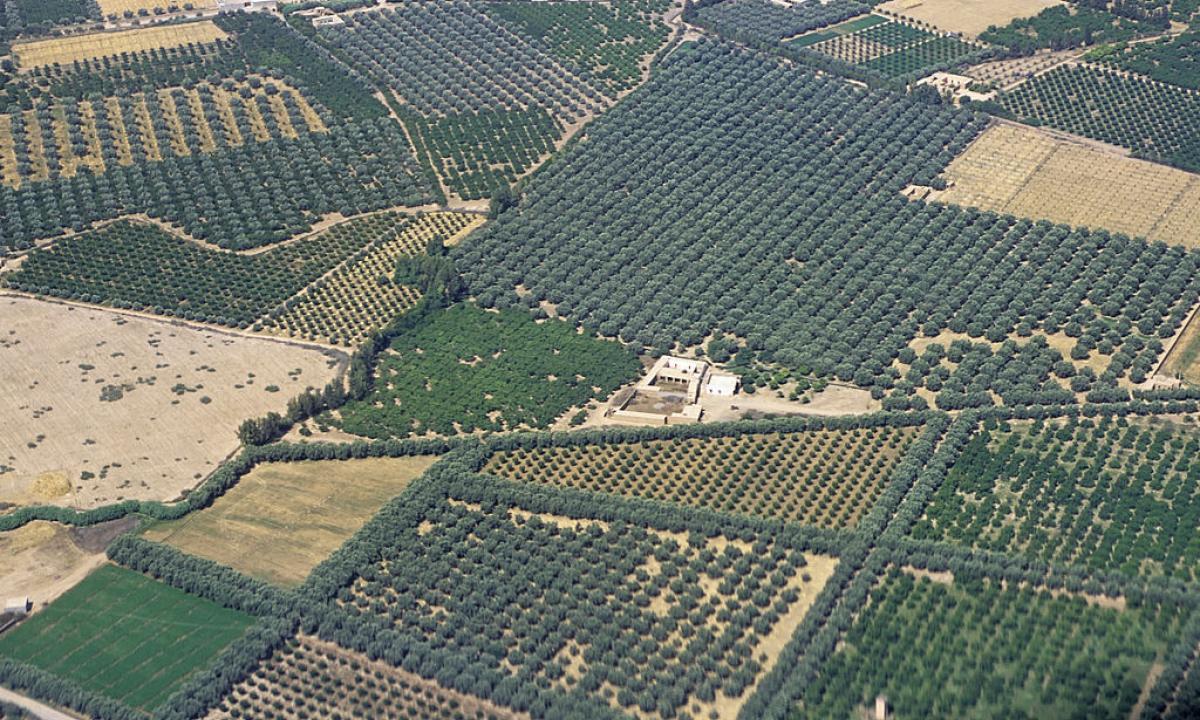
Faced with this situation, Moroccan producers have begun diversifying their growing areas to optimize supply. While coastal regions, with sandy soils and abundant water, produce larger fruit, areas with less water availability yield smaller fruit, more in line with current demand. This strategy aims to balance the market, but the big question remains whether the remaining volume can be absorbed without a further drop in prices.
Future perspectives
Demand for Moroccan avocados continues to rise. According to Elyamlahi, exports have increased over the past three years, reflecting growing interest in the European market for this fruit. Looking ahead, Morocco is expected to continue expanding its production steadily, with many small farms set to begin producing more fruit in the coming years.
“The medium-term goal is to consolidate Morocco’s position as the leading exporter of avocados in Africa and the Mediterranean. Within three to four years, Morocco could achieve highly competitive export figures, strengthening its presence in key European markets,” he concluded.